

Fiscal Consolidation Reduces Financing Pressures
Pakistan recorded a significant moderation in government borrowing during the first nine months of fiscal year 2025-26, reflecting improved fiscal discipline and reduced financing requirements. Official data showed that government sector borrowing for budgetary support increased by Rs850.6 billion during July-March FY2026, considerably lower than the Rs1.32 trillion recorded during the same period of the previous fiscal year.
The decline in borrowing coincided with a notable reduction in the fiscal deficit, which narrowed to 0.7 percent of GDP during the review period compared with 2.6 percent of GDP a year earlier. Economists view the development as a positive indicator of ongoing fiscal consolidation efforts aimed at strengthening macroeconomic stability and reducing pressure on public finances.
Shift Away from Central Bank Financing Continues
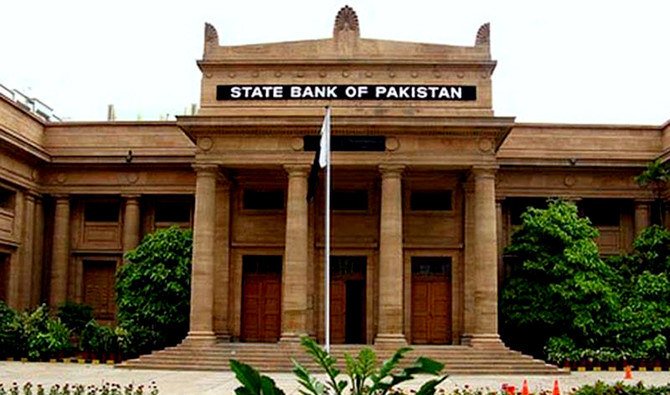
The government continued its policy of avoiding direct borrowing from the State Bank of Pakistan (SBP), relying instead on market-based financing mechanisms. During July-March FY2026, the government retired Rs1.94 trillion to the central bank, significantly higher than the Rs287.4 billion retired during the corresponding period last year.
At the same time, borrowing from scheduled commercial banks increased substantially. Government borrowing from banks reached Rs2.79 trillion during the first nine months of the fiscal year, compared with Rs1.61 trillion during the same period of FY2024-25.
Market-Based Financing Remains the Preferred Strategy
As a result of these borrowing and repayment patterns, net government borrowing stood at Rs805.9 billion during July-March FY2026, compared with Rs1.02 trillion in the corresponding period last year.
Officials said the financing strategy remains aligned with broader economic reforms designed to limit direct central bank financing and encourage greater reliance on market instruments. The approach is intended to support fiscal sustainability, improve monetary policy effectiveness, and strengthen investor confidence while ensuring the government can meet its budgetary financing needs without creating excessive inflationary pressures.

