
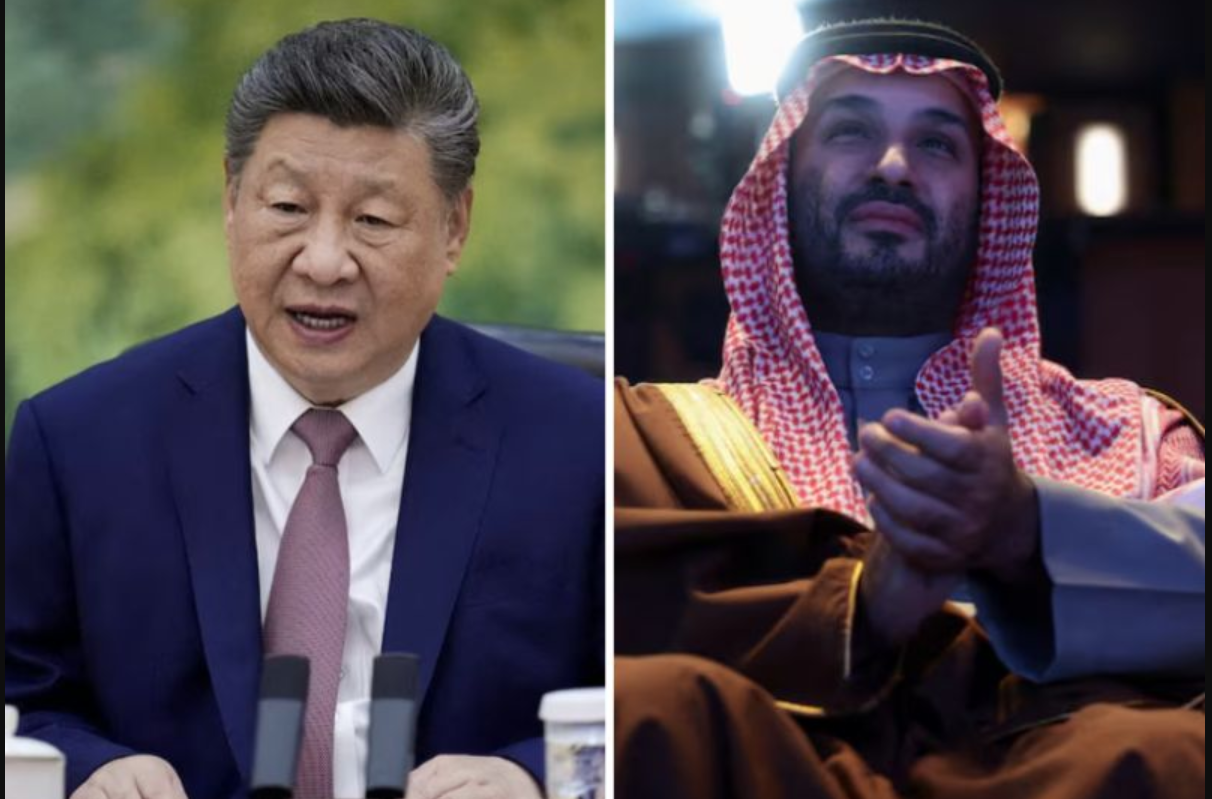

China has urged that the Strait of Hormuz remain open for normal maritime traffic. This call came during a phone conversation between President Xi Jinping and Saudi Crown Prince Mohammed bin Salman. The discussion focused on rising tensions in the region.
The strategic waterway plays a vital role in global energy supply. Therefore, any disruption creates immediate concern for international markets. China’s position highlights the importance of maintaining stability in this critical corridor.
Rising Concerns Over Fragile Ceasefire
Tensions have increased despite a recent ceasefire between the United States and Iran. The situation worsened after the seizure of an Iranian cargo vessel. Consequently, uncertainty now surrounds the future of peace efforts.
Iran has also indicated that it may not participate in new negotiations for now. This development has added to fears of renewed conflict. As a result, global stakeholders are watching the situation closely.
Strategic Importance of the Strait of Hormuz
The Strait of Hormuz serves as a major route for global oil and gas shipments. A significant share of the world’s energy trade passes through this narrow channel. Therefore, uninterrupted access remains essential for economic stability.
China, as a major buyer of Iranian crude, has a strong interest in keeping the route open. Any prolonged disruption could affect supply chains and global prices. Hence, Beijing continues to push for stability.
China Emphasizes Diplomatic Solutions
China has consistently advocated for peaceful conflict resolution. It supports dialogue and diplomatic engagement over military escalation. This approach aligns with its broader foreign policy goals.
“The Strait of Hormuz should remain open to normal passage, as this serves the common interests of regional countries and the international community,” he told the Saudi leader.
China also called for an immediate and comprehensive ceasefire. Officials believe that diplomacy offers the best path toward long-term peace.
Concerns Over Escalating Actions
Recent developments have raised concerns about further escalation. The seizure of the Iranian vessel has drawn criticism and increased tensions. In response, China has urged all parties to respect existing agreements.
Officials emphasized the importance of avoiding actions that could destabilize the region. Therefore, maintaining the ceasefire remains a top priority.
Regional Engagement and Diplomatic Efforts
China has increased its diplomatic engagement in the Middle East. Recent meetings with regional leaders reflect this growing involvement. These efforts aim to promote dialogue and reduce conflict risks.
Xi also expressed support for regional countries managing their own future. He highlighted the importance of cooperation and long-term stability. These statements reinforce China’s role as a diplomatic actor.
Global Implications of Ongoing Tensions
The situation in the Strait of Hormuz has global consequences. Energy markets remain sensitive to any disruption in supply routes. Therefore, stability in the region is critical for economic balance.
China’s involvement signals broader international concern. As tensions persist, diplomatic efforts will play a crucial role in preventing further escalation.

