
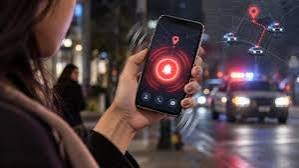

Women across Punjab can now seek emergency police assistance by simply shaking their smartphones. The Punjab Safe Cities Authority (PSCA) has introduced a new safety feature designed to help women facing harassment, threats or other dangerous situations.
The feature, called “Phone Shake,” has been added to the Women Safety App. It allows users to initiate an emergency SOS alert without making a telephone call or speaking to a police operator.
The latest development aims to make emergency assistance faster, easier and more discreet for women who may be unable to communicate during a dangerous situation.
According to a PSCA spokesperson, the new feature is particularly useful when a woman faces an immediate threat and cannot safely make a call.
Instead of dialing an emergency number, she can shake her mobile phone to initiate an SOS alert.
Once the alert is confirmed, the Safe City Control Room receives an immediate notification. The control room then mobilizes the relevant police personnel to provide assistance.
Authorities believe the feature could improve emergency response by reducing the need for lengthy conversations during stressful situations.
The Women Safety App also offers several other security features.
Women can communicate directly with police through live chat and video calls. These options allow users to explain their concerns and request help through different communication methods.
Another important feature is Connect to Safe City, which enables users to stream live footage from their mobile cameras to the Safe City Control Room.
This allows police officials to assess the situation visually and coordinate an appropriate response.
The application also provides ride-sharing facilities, location reviews and legal guidance.
These services aim to help women make safer travel decisions and access useful information when they encounter security concerns.
The initiative reflects Punjab’s growing focus on using digital technology to improve public safety.
Women who face harassment or threats while travelling, working or carrying out daily activities may benefit from having an additional way to contact emergency services.
However, users should familiarize themselves with the application and its alert confirmation process before relying on the feature during an emergency.
The availability of the Phone Shake function also highlights the importance of accessible safety tools that allow people to request assistance when speaking openly may place them at greater risk.
The new system raises an important question: Could a simple movement of a smartphone make a critical difference when a woman needs emergency police assistance?

