
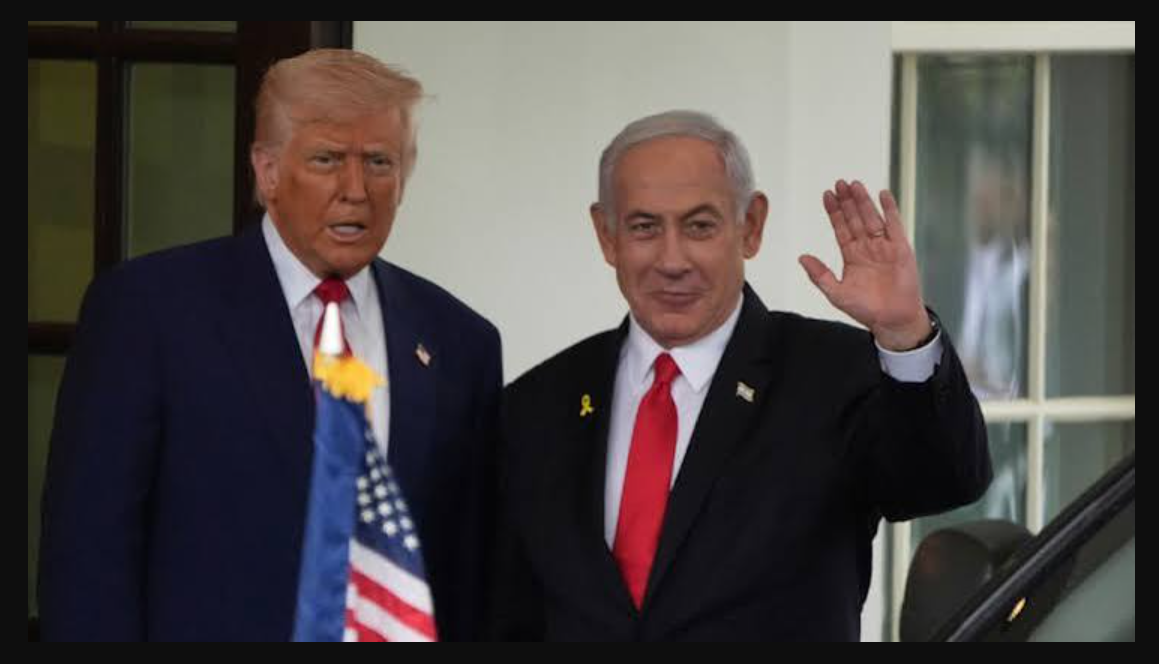

Israeli Prime Minister Benjamin Netanyahu departed for Washington on Monday for another meeting with US President Donald Trump, as regional tensions continue to rise over the ongoing conflict involving Iran and growing security concerns in the Strait of Hormuz.
The visit comes at a sensitive time for the Middle East. While diplomatic efforts between Washington and Tehran have gained some momentum, military tensions continue to influence global shipping, energy markets and regional stability.
According to Israeli officials, Netanyahu is travelling at Trump’s invitation. During the visit, both leaders are expected to discuss several issues affecting their countries and the wider region.
Seventh Meeting Since Trump’s Return
The latest visit marks Netanyahu’s seventh meeting with Trump since the US president returned to office in January 2025. No other world leader has met Trump as frequently during his current term.
The meeting also comes while Netanyahu remains the subject of an arrest warrant issued by the International Criminal Court (ICC). The warrants, issued in November 2024, include Netanyahu and former Israeli Defence Minister Yoav Gallant over alleged crimes against humanity linked to Israel’s war in Gaza.
Despite the ongoing legal proceedings, discussions between Washington and Tel Aviv continue on key regional developments.
Iran Reports Interception of Six Vessels
Meanwhile, Iran reported a separate development in the Strait of Hormuz, one of the world’s most strategically important waterways.
Iran’s state broadcaster said authorities intercepted six vessels after they allegedly attempted to travel through what Tehran described as an “illegal and unsafe” route in the southern part of the strait. According to Iranian officials, the ships had switched off their navigation and positioning systems before entering the area.
Iranian authorities stated that one vessel suffered an accident, while the remaining ships returned to the Gulf under what officials described as “decisive Iranian management.”
Reports from Iranian media also claimed the incident occurred after the vessels had allegedly been provoked by the American military. However, no independent confirmation of that claim has been provided.
Oil Prices Fall After Pause in US-Iran Strikes
Global oil markets reacted positively after both the United States and Iran paused military strikes over the weekend following nearly two weeks of hostilities.
Brent crude fell by approximately four percent, while US West Texas Intermediate crude also recorded significant losses. The decline reflected growing hopes that diplomatic efforts could reduce tensions and allow commercial shipping to move more freely through the Strait of Hormuz.
The temporary suspension of attacks has eased immediate market concerns. Nevertheless, investors remain cautious because the situation remains highly unpredictable.
Iran Continues to Push for Strait Management Proposal
Diplomatic discussions over the future management of the Strait of Hormuz are also continuing.
An Omani delegation has reportedly been holding discussions in Tehran regarding possible mechanisms for managing commercial traffic through the strategic waterway.
According to reports, Oman proposed establishing a regional consortium to oversee shipping without imposing tolls. Iran, however, reportedly continues to support introducing a “service fee” while insisting that any future mechanism should remain under Tehran’s management.
Although negotiations are ongoing, no agreement has yet been announced.
Red Sea Shipping Also Under Pressure
Regional maritime challenges have expanded beyond the Strait of Hormuz.
Shipping activity through the Bab el-Mandeb Strait slowed after Houthi attacks targeted Saudi oil installations along the Red Sea coast. The Houthis also announced a naval blockade against Saudi Arabia, further increasing concerns about commercial shipping routes.
Shipping data showed only 11 commodity vessels passed through the Bab el-Mandeb Strait on Sunday, marking one of the lowest daily totals in recent months.
Meanwhile, vessel traffic through the Strait of Hormuz also remained limited over the weekend despite the temporary pause in military operations.
Trump Rejects Reports on US Munitions
President Trump dismissed reports suggesting the United States was facing shortages of military munitions after weeks of operations against Iranian targets.
Responding to the reports, Trump said:
“We have far more munitions than anyone in the world, and far more than we need.”
Earlier reports had suggested some US military officials privately warned that extensive bombing operations had exhausted many of the pre-selected targets. They also reportedly raised concerns about maintaining adequate stocks of interceptor missiles and other precision-guided weapons.
Neither the office of General Dan Caine, Chairman of the Joint Chiefs of Staff, nor US Central Command commented on those reports.
Washington Defends Temporary Pause
Senior US officials have described the pause in military operations as an opportunity to create space for diplomacy rather than a change in strategic objectives.
US Ambassador to the United Nations Mike Waltz stated that the American military possesses all the equipment necessary to continue operations if required. However, he acknowledged that the current administration inherited a challenging defence situation.
He also explained Trump’s decision by saying:
“He’s giving talks some space, he’s giving it a little bit of room.”
No timeline has been announced for either resuming military operations or advancing formal negotiations.
Iran Says It Will Match US Actions
An Iranian official said Tehran would suspend attacks as long as the United States continued its current pause.
According to the official, Iran’s position remains:
“remains ‘attack for attack’: if the attacks stop, Iran will also halt its operations. That message has already been conveyed to the United States.”
However, another senior Iranian source expressed doubt that the suspension represented any lasting policy shift.
The source said:
“There is more scepticism than optimism about the halt in attacks. The prevailing view is that the pause is tactical rather than genuine. Iran has accumulated enough bitter experience with what it sees as US deception.”
Those remarks reflect continuing mistrust despite the current reduction in military activity.
Regional Uncertainty Continues
Although both Washington and Tehran have paused direct attacks for now, uncertainty continues to dominate the region.
For the past two weeks, US forces carried out nightly strikes targeting Iranian positions. In response, Iran launched attacks against facilities in neighbouring Gulf countries hosting American military bases.
The conflict has also affected global energy markets because the Strait of Hormuz handles a significant share of the world’s oil shipments.
Meanwhile, people living inside Iran continue to face uncertainty over what comes next.
A Tehran businessman described the situation by saying:
“Everyone in the country is stuck in limbo.“
He added:
“Trump is playing games with Iran. He neither ends the war and leaves the region nor strikes decisively. It’s exhausting.”
As Netanyahu prepares to meet Trump in Washington, diplomatic negotiations, military calculations and regional security concerns remain closely connected. While the temporary pause has reduced immediate tensions, the coming days could prove critical in determining whether diplomacy gains momentum or the conflict escalates once again.

