
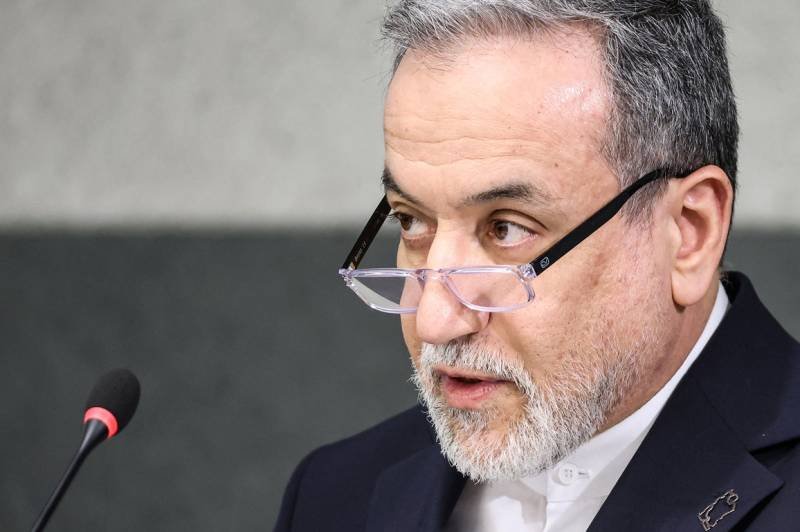

Iran’s Foreign Minister Abbas Araghchi has said that negotiations on a final agreement with the United States cannot begin as long as Washington continues to issue military threats. The Iranian diplomat strongly supported his position by citing provisions of the Islamabad memorandum of understanding (MoU) signed between the two countries last month.
In an official statement on Monday, Araghchi pointed directly to the specific legal terms of the framework. He referred to Paragraph 13 of the Pakistan-brokered agreement, writing:
“Para 13 of the MoU is clear: Negotiations on final deal will not commence if threats continue. Honour your signature.”
The historic Islamabad MoU was signed electronically by Iranian President Masoud Pezeshkian and US President Donald Trump on June 18. This foundational text successfully launched a 60-day diplomatic process involving indirect talks. Ultimately, the framework aimed to help both nations reach a comprehensive peace agreement.
Escalating Rhetoric Strains Regional Peace
Araghchi’s critical comments came hours after Trump renewed his warning regarding potential military action. Specifically, Washington remains prepared to use military force if ongoing diplomacy fails. The US President reiterated his firm stance that Iran must never be allowed to develop a nuclear weapon.
Trump explained his view to reporters at the White House on Monday afternoon.
“We’re either going to make a deal, or we’re going to finish the job. And it won’t be tough to finish the job. I’d rather make a deal, because I don’t want to affect 91 million people,”
Meanwhile, regional pressures continue to grow outside of Washington. Earlier, Israeli Defence Minister Israel Katz threatened that Israel would “thwart” any future Iranian leader seeking to attack the country. This statement added further friction to an already volatile diplomatic atmosphere.
A Nation Mourns Its Leader
Separately, the Iranian Foreign Minister shared photographs showing massive crowds attending the funeral procession of Iran’s former Supreme Leader Ayatollah Ali Khamenei in Tehran. The vast public gathering underscores the intense political and emotional climate currently gripping the country.
As a result, these domestic developments heavily influence Iran’s cautious approach to foreign policy. Moving forward, the 60-day negotiation window faces severe challenges. Both sides must decide whether to tone down their public rhetoric or risk collapsing the entire Pakistan-brokered peace initiative.

