
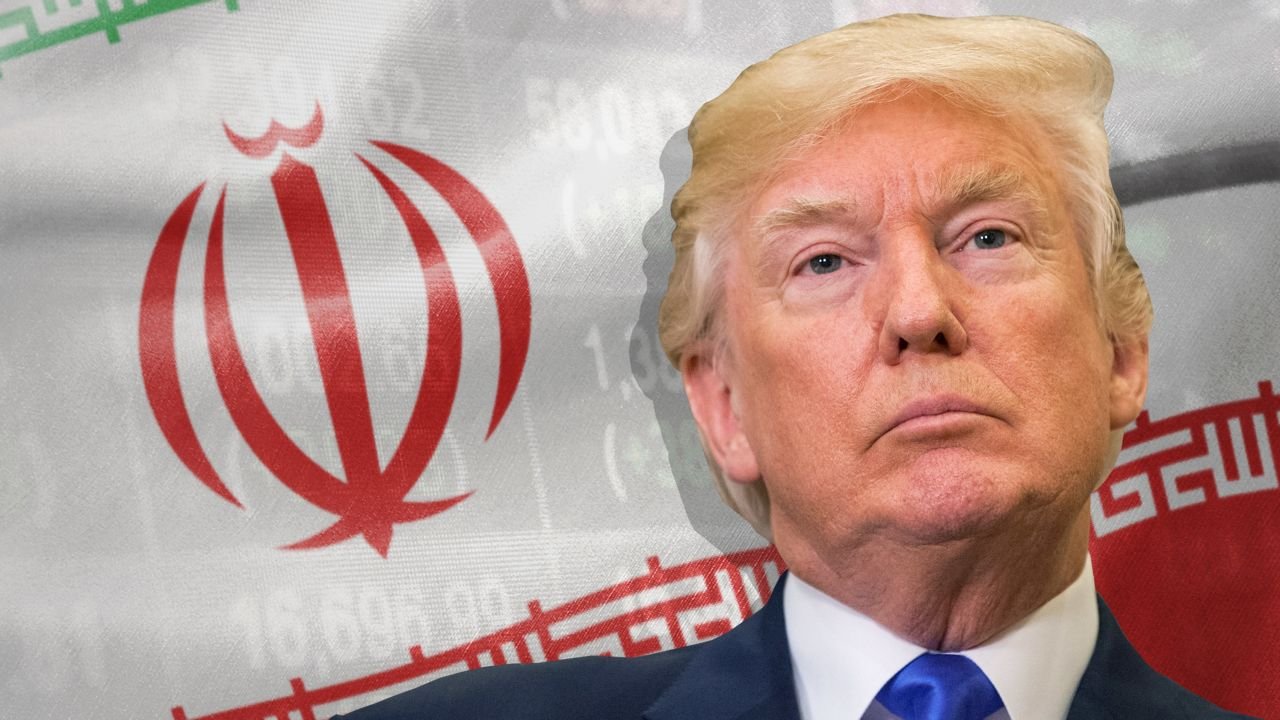

US President Donald Trump is reportedly prioritising an early resolution of the Iran conflict ahead of his upcoming Beijing summit. The meeting with Chinese President Xi Jinping is scheduled for May 14–15.
Analysts suggest Trump aims to enter the summit with the Iran situation stabilised. This would allow Washington to maximise leverage during negotiations.
The summit was initially planned earlier but delayed due to the Iran conflict. It now comes at a sensitive moment for global energy and trade stability.
Strategic Goal: Stronger US Position in Beijing Talks
Experts argue Trump views the Iran war as a direct threat to US negotiating power. He wants to avoid distractions during talks with China.
According to analysts, the conflict reduces US flexibility on tariffs, trade, and strategic competition. Therefore, resolving it early becomes a strategic necessity.
Moreover, the war has shifted global attention toward energy security. This limits Washington’s ability to control the diplomatic agenda.
Energy Crisis and Global Economic Pressure
The ongoing conflict has disrupted global oil flows through the Strait of Hormuz. Nearly 20 percent of global oil passes through this route.
As a result, oil prices have surged to a four-year high. The disruption has also caused supply chain instability worldwide.
Inflationary pressure has increased in the United States. Fuel prices have risen significantly, pushing inflation above four percent.
Additionally, global economic growth is projected to slow to 2.5 percent in 2026. This reflects broader market uncertainty linked to energy disruption.
How the War Impacts US-China Negotiation Power
Analysts highlight four key ways the conflict weakens US leverage.
First, rising energy costs reduce Washington’s ability to impose aggressive tariffs. Economic pressure limits policy flexibility.
Second, the summit agenda shifts toward crisis management instead of strategic trade issues. This reduces US influence over discussions.
Third, prolonged Middle East instability affects US positioning on Taiwan. It may give China a timing advantage in negotiations.
Fourth, China’s control over rare earth resources strengthens its bargaining power. These materials are critical for modern technology and defence systems.
China’s Strategic Position in the Conflict
China remains a major importer of oil passing through the Strait of Hormuz. This creates both vulnerability and leverage.
Beijing also imports large volumes of Iranian oil. This makes it a key player in regional energy flows.
Experts suggest China prefers a controlled level of tension rather than full resolution. This maintains influence over energy and diplomacy.
Furthermore, China’s strategic reserves provide a buffer of several months. This allows Beijing more time in negotiations compared to Washington.
Iran’s Calculated Approach to Prolong Conflict
Analysts believe Iran may use the conflict to gain negotiation advantage. A prolonged situation increases pressure on Washington.
However, the country faces severe economic strain. Oil revenues have dropped sharply, and inflation is rising.
Despite challenges, Iran continues to use asymmetric strategies. These include naval pressure and regional proxy networks.
Experts suggest Iran may only sustain prolonged conflict for a limited period due to economic constraints.
Conclusion: Diplomacy Driven by Economic Reality
Trump’s urgency reflects broader economic and strategic pressures linked to the Iran conflict. Energy markets and inflation play a central role.
As the Beijing summit approaches, both Washington and Beijing adjust their strategies. The outcome may shape global trade, energy, and geopolitical stability.

