

China accused Japan’s defence minister of making “baseless” allegations and attempting to create confusion after he expressed concerns about Beijing’s growing military capabilities and regional intentions.
The criticism came a day after Japanese Defence Minister Shinjiro Koizumi pledged to continue strengthening Japan’s military and called for greater transparency regarding China’s expanding defence capabilities.
Speaking at the annual IISS Shangri-La Dialogue in Singapore, Koizumi described China’s military buildup as a matter of serious concern for Japan. He said Tokyo would continue enhancing its defence capabilities while maintaining a high level of transparency, particularly in areas such as artificial intelligence, unmanned systems, cyber security, and space defence.
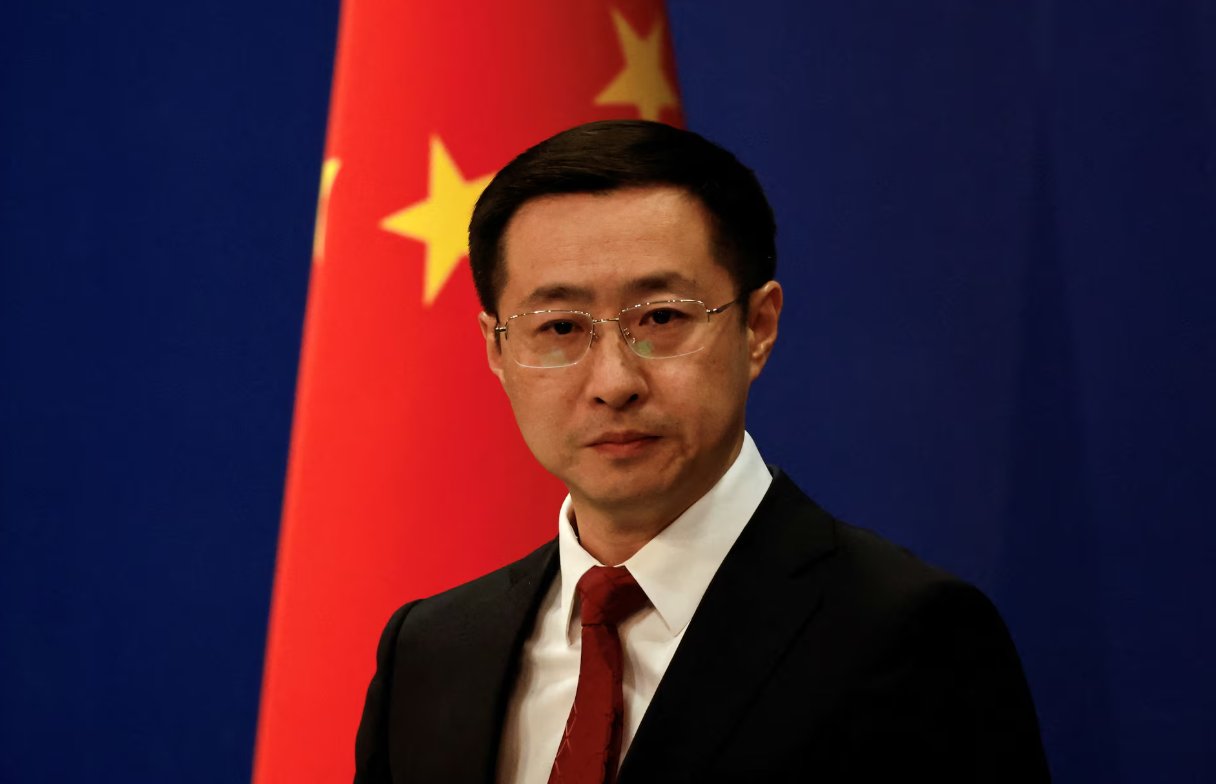
However, China strongly rejected the remarks. Responding at a press briefing, Chinese Foreign Ministry spokesman Lin Jian said Koizumi’s claims were “entirely baseless” and contradicted established historical, legal, and factual realities.
Lin accused the Japanese minister of deliberately misrepresenting the situation and attempting to shift attention away from Japan’s own actions. He further claimed that Tokyo’s calls for dialogue lacked sincerity and amounted to a public relations exercise rather than a genuine effort to improve relations.
The latest exchange marks another chapter in a diplomatic dispute that has strained ties between Asia’s two largest economies in recent months. Tensions escalated after Japanese Prime Minister Sanae Takaichi suggested in November that Japan could intervene militarily if China attempted to take control of Taiwan, the self-governed island that Beijing considers part of its territory.
Under Takaichi’s leadership, Japan has accelerated efforts to adopt a more proactive defence posture, moving further away from the pacifist policies that shaped its security strategy after World War II. The shift has received support from the United States but has drawn repeated criticism from Beijing.
China has frequently accused Japan of pursuing what it calls a policy of “new militarism,” warning that such moves could undermine stability and increase tensions across the Asia-Pacific region.

