
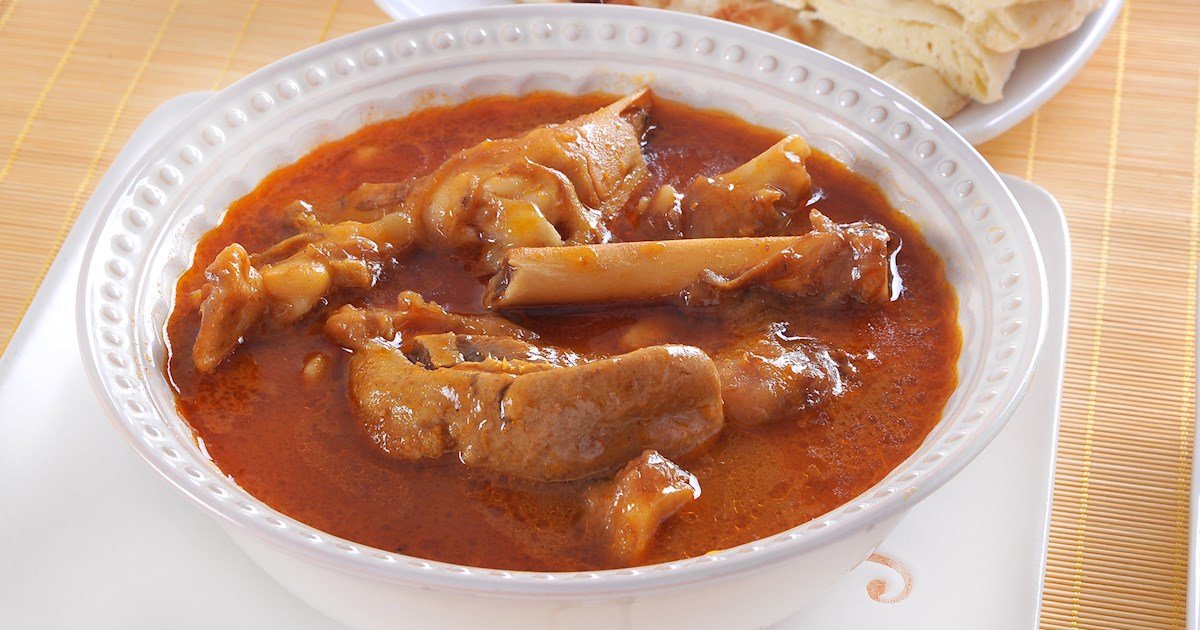

Pakistani passengers arriving at Toronto Pearson International Airport faced a costly surprise after Canadian border officials discovered undeclared food products in their luggage.
The Canada Border Services Agency (CBSA) seized more than 16 kilograms of food and animal products, including goat trotters (siri paye), chicken, ghee and milk powder. Authorities also imposed a CAD 1,350 fine after passengers failed to declare the items upon arrival.
What Food Items Did Canadian Officials Seize?
The seized products included several food items commonly carried by travellers visiting or returning from Pakistan. These included siri paye, chicken meat, ghee and milk powder.
However, Canadian authorities regulate the entry of food and agricultural products to prevent prohibited items from crossing the border. Travellers must therefore declare applicable goods when entering the country.
The CBSA works with other government agencies to enforce rules covering food, plants, animals and related products. These requirements apply to items carried in personal luggage.
Which Food Items Are Restricted in Canada?
Canada maintains restrictions on several food and agricultural products brought from abroad. According to the CBSA, prohibited or restricted items can include raw or cooked meat, fruits, vegetables and milk.
Moreover, the rules cover more than food products. Certain homemade goods, plant-based materials and wood-based items may also require approval or documentation.
Other restricted items include:
- Household plants and live animals, including pets
- Fishing bait
- Firewood and plant cuttings
- Seeds and other plant materials
- Hiking footwear carrying soil or dirt
These restrictions help authorities control the movement of potentially regulated agricultural and animal products across Canadian borders.
Can Travellers Bring Food Products Into Canada?
Not every food or agricultural product faces an absolute ban. Some items may enter Canada if travellers meet specific documentation or registration requirements.
However, the conditions depend on the product and its country of origin. Travellers should therefore check the applicable rules before packing food items.
The CBSA recommends consulting the Canadian Food Inspection Agency’s Automated Import Reference System (AIRS). This online system helps travellers determine whether particular food, plant or animal products can enter Canada.
What Should Pakistani Travellers Check Before Flying?
Pakistani passengers planning to carry homemade food, meat products, dairy items or agricultural goods should check Canadian import requirements beforehand.
They should also declare relevant items to border officials instead of assuming personal-use products are automatically permitted. Failure to follow the rules can result in confiscation and financial penalties.
The latest seizure serves as a reminder that carrying familiar food from home does not exempt travellers from Canada’s border regulations. Checking the requirements before departure can help passengers avoid unexpected fines and the loss of their belongings.
SEO Keyphrase:
Meta Description:
Category: International
Tags: Canada, Pakistani Passengers, Travel Regulations
For the latest updates, visit and follow The Truth International website (www.thetruthinternational.com) and subscribe to the YouTube Channel.

