
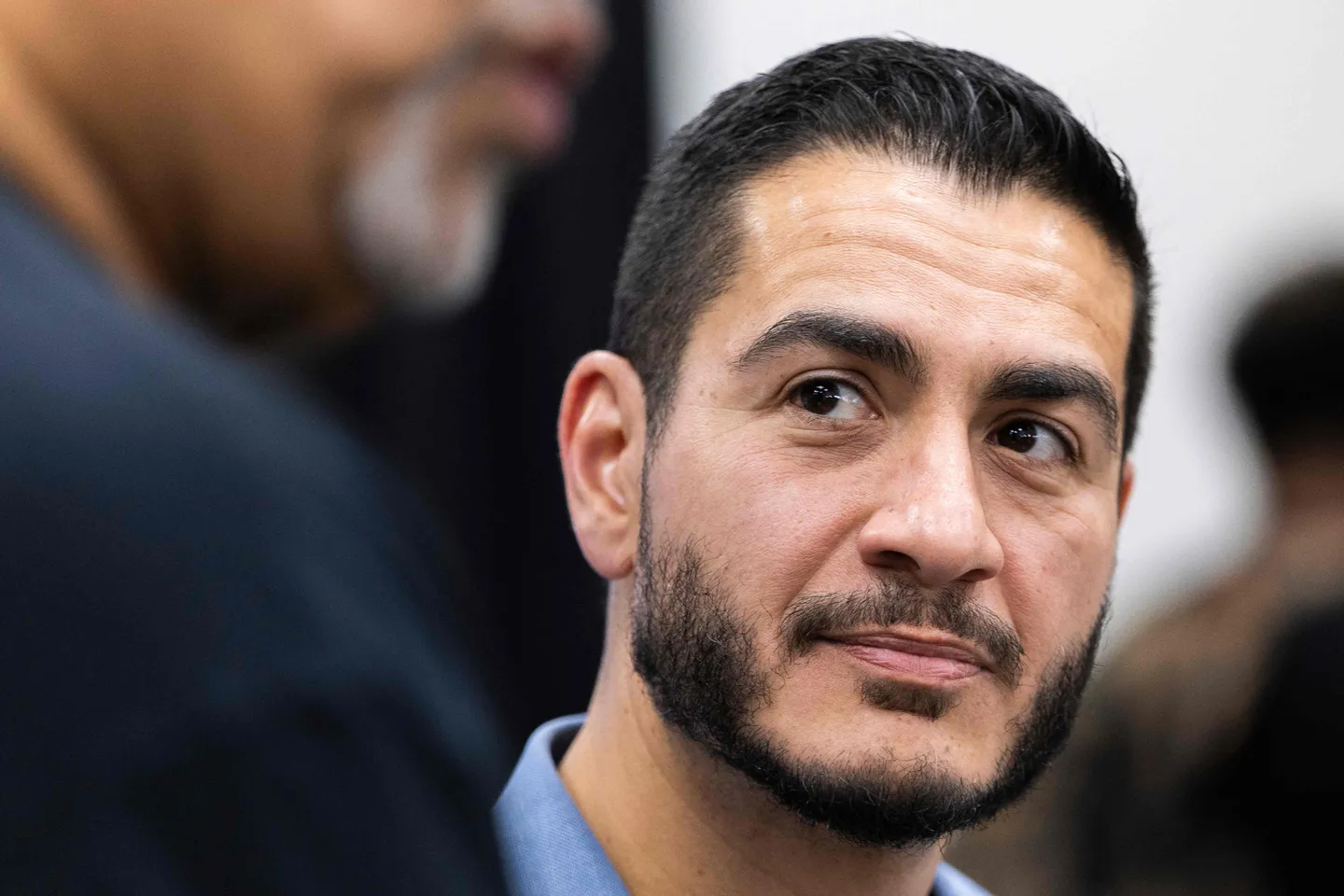

Within hours of Abdul El-Sayed’s victory in Michigan’s Democratic Senate primary, anti-Muslim abuse targeting him surged across social media platforms. New research shows the online backlash grew sharply after his win. The findings also point to a broader pattern of Islamophobic attacks against Muslim political candidates.
Research from the Centre for the Study of Organized Hate (CSOH) found that posts containing Islamophobic abuse against El-Sayed averaged 3,099 each day during the week after his victory. Before the primary, the daily average stood at 155 posts over two months.
That represents an increase of 1,895 percent in just one week.
The volume reached its highest point on August 5, when El-Sayed’s rival conceded. Nearly 7,000 anti-Muslim posts about the candidate appeared that day alone.
The surge also represented a major share of the abuse recorded against El-Sayed throughout the year. In fact, that single week generated more Islamophobic content about him than the previous seven months combined.
It represented 56.7 percent of the 38,280 posts recorded about him since January.
Islamophobic Attacks Focused on Recurring Conspiracy Claims
El-Sayed, a former Michigan public health official, is seeking the US Senate seat previously held by Gary Peters. His Muslim identity has increasingly become a target for online abuse during his campaign.
CSOH examined posts from X, Facebook, Instagram, YouTube, Reddit and Bluesky. Researchers found that many attacks followed recurring conspiracy narratives instead of focusing on El-Sayed’s political positions.
The largest theme attempted to connect El-Sayed with Hamas, Hezbollah and the Muslim Brotherhood. Some widely circulated posts also described him as “a jihadist.”
Other posts falsely claimed that El-Sayed planned to introduce Sharia law. Meanwhile, another significant group of posts promoted “remigration” of Muslims from Western countries.
These narratives moved beyond political criticism. Instead, they relied heavily on conspiracy theories and hostility toward Muslims.
Anti-Muslim Online Activity Also Rose Across the US
The increase in attacks against El-Sayed formed part of a much wider rise in anti-Muslim content.
CSOH tracked 409,640 posts promoting anti-Muslim bigotry and conspiracy theories across X in the United States between June 1 and August 10.
Overall Islamophobic activity on the platform also reached its highest single-day level of the summer on August 5. Nearly 12,000 such posts appeared that day.
That figure was more than twice the previous 30-day average. It also marked the first day during that period when the number exceeded 10,000 posts.
Moreover, researchers found that the increase did not disappear quickly. Six days later, anti-Muslim activity remained significantly above earlier levels.
General anti-Muslim posting stayed 59 percent above its pre-primary baseline. At the same time, posts specifically targeting El-Sayed remained around ten times higher than their earlier summer levels.
Muslim Candidates Face a Growing Online Backlash
CSOH described the surge as part of a broader and organised campaign targeting Muslims in public life.
According to researchers, the campaign draws heavily from ideas associated with the Great Replacement theory. Its activity can intensify around major political and international developments.
The war in the Middle East has become one factor driving these narratives. The growing number of Muslim candidates seeking political office has also attracted increased attention from anti-Muslim networks.
El-Sayed’s Michigan victory therefore appears to have triggered more than a temporary wave of online hostility. Instead, researchers believe his experience reflects a recurring pattern that can emerge when Muslim politicians gain political ground.
His primary victory came during a closely watched period of US primary contests ahead of the 2026 midterm elections. However, the reaction online has shifted attention toward the broader environment Muslim candidates face.
As campaigning for the 2026 midterms continues, CSOH expects anti-Muslim bigotry to increase further. The latest figures suggest that political victories by Muslim candidates could continue to become flashpoints for coordinated online abuse.

