

Inquiry focuses on trades linked to President Trump’s prepared speeches
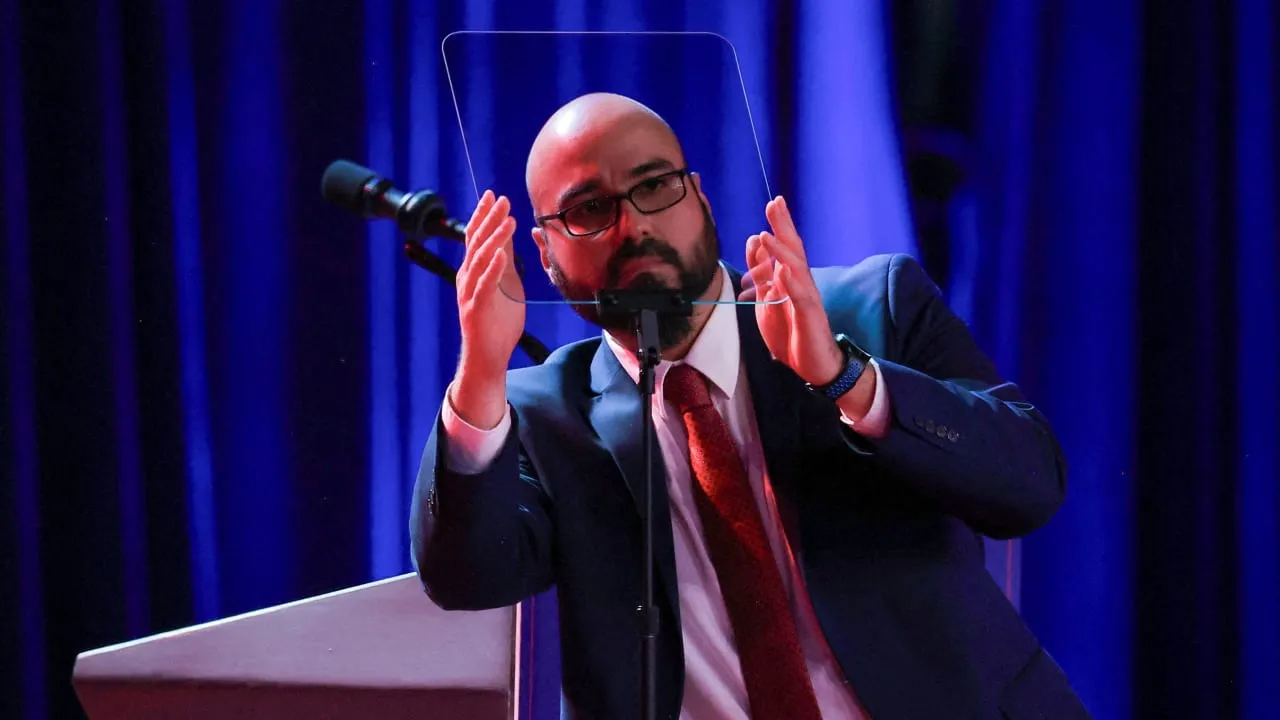
WASHINGTON: A longtime teleprompter operator for US President Donald Trump is under investigation over allegations that he used nonpublic information to place trades on an online prediction market, according to the White House and media reports.
Gabriel Perez, who has worked with Trump since the 2016 presidential campaign, allegedly placed trades on Kalshi, a prediction market platform that allows users to wager on the outcomes of real-world events. The reported activity involved Kalshi’s “Mentions” market, where participants predict which words or phrases public figures will use in speeches.
According to reports, Perez had advance access to Trump’s prepared remarks and could see last-minute edits before the speeches were delivered. However, Trump has previously stated that he frequently departs from prepared remarks during public appearances.
Platform referred activity to regulators
Kalshi said it identified suspicious trading patterns and referred the matter to the Commodity Futures Trading Commission (CFTC). The company added that it is cooperating with regulators as the investigation continues.
Media reports said investigators believe Perez earned nearly $100,000 through trades linked to several presidential speeches. The platform reportedly froze those funds before they could be withdrawn.
Although federal prosecutors in Manhattan reportedly declined to pursue criminal charges, Perez is said to be in discussions with the CFTC regarding a potential civil settlement that could require him to forfeit the disputed earnings.
Ethics rules under renewed scrutiny
Following the investigation, Perez was placed on administrative leave, and another staff member reportedly operated the teleprompter during Trump’s national address last week.
White House Press Secretary Karoline Leavitt said the administration maintains strict ethical standards and indicated that Perez would no longer remain in his role.
The case has also intensified debate over insider trading on prediction markets. Lawmakers from both major US political parties have called for tighter regulations, arguing that individuals with access to confidential government information should not be able to profit from prediction-based trading platforms.
Meanwhile, Congress continues to consider additional measures aimed at strengthening oversight and preventing the misuse of nonpublic information in financial markets.

