
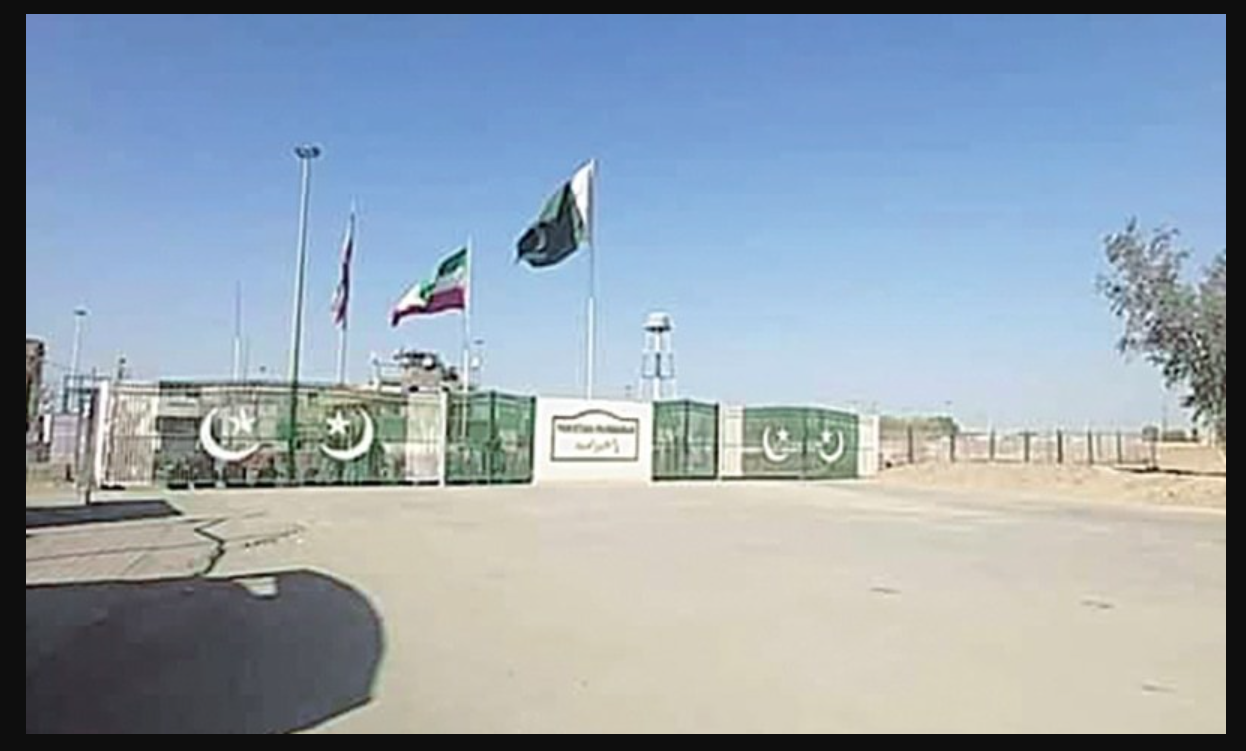

More than 34,000 people entered Pakistan from Iran through the Taftan border between March 1 and July 16, 2026. The increase in cross-border movement came as tensions in the Middle East continued to rise.
According to figures released by the UN Refugee Agency and the International Organization for Migration (IOM), thousands of people travelled through the Taftan crossing during the reporting period. The data highlights a significant rise in movement across one of Pakistan’s busiest border points with Iran.
Over 21,000 Iranian Nationals Entered Pakistan
The report showed that more than 21,000 Iranian nationals entered Pakistan after obtaining valid Pakistani visas.
Meanwhile, over 13,000 Pakistani nationals also crossed the Taftan border during the same period. These movements contributed to the overall total of more than 34,000 people travelling between the two neighbouring countries.
Additionally, the report revealed that 99 third-country nationals also entered Pakistan through the Taftan crossing.
Regional Tensions Drove Higher Cross-Border Movement
International agencies linked the increase in border crossings to growing regional tensions involving Iran, the United States and Israel.
As the security situation evolved, many people chose to leave Iran and travel to Pakistan. Consequently, cross-border movement recorded a noticeable rise during the reporting period.
The figures cover the period from March 1 to July 16, 2026. They reflect the impact of changing regional circumstances on population movements through the Taftan border.
Another Influx Recorded in May
The report also highlighted another notable influx of Iranian nationals through the Taftan border on May 24.
That increase formed part of the broader trend observed during the reporting period. Furthermore, international agencies noted that regional developments continued to influence travel patterns along the Pakistan-Iran border.
Taftan Border Remains a Key Crossing Point
The Taftan border continues to serve as a major gateway between Pakistan and Iran. It facilitates the movement of travellers, returning citizens and foreign nationals under authorised travel arrangements.
The latest figures indicate that the crossing remained particularly active as regional tensions persisted. Moreover, the data underscores how geopolitical developments can directly affect cross-border mobility.
With more than 34,000 people crossing into Pakistan during the reporting period, the Taftan border remained an important route for individuals seeking entry from Iran. The figures released by the UN Refugee Agency and the International Organization for Migration provide a snapshot of the increased movement recorded between March and mid-July 2026.

