
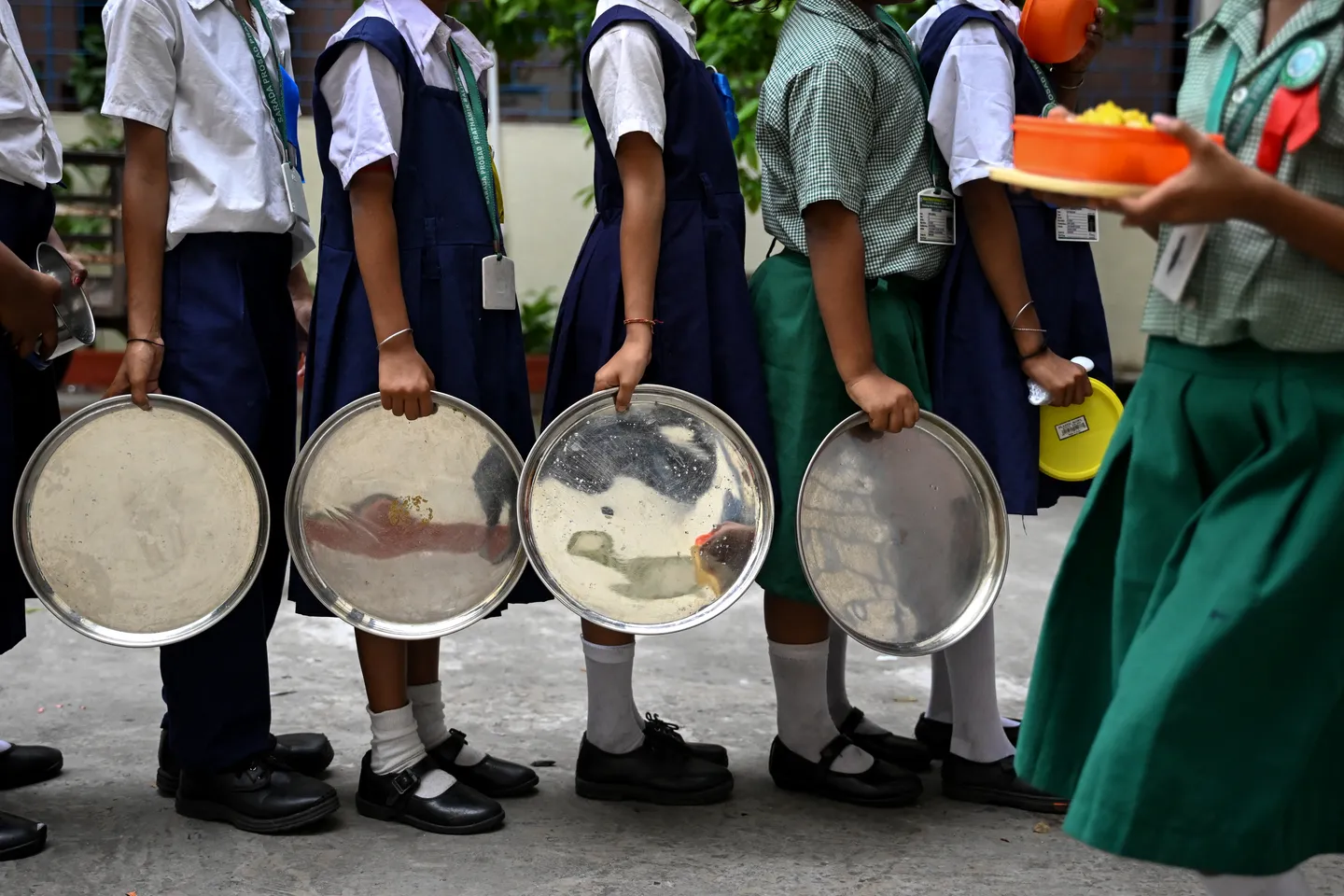

Removal of eggs from lunches triggers political and public criticism
KOLKATA: The West Bengal government’s decision to remove eggs from meals served in state-run schools has triggered a political controversy and renewed debate over nutrition, religion and education, with teachers and health experts expressing concern about its potential impact on student attendance.
Under the revised meal programme, eggs have been replaced with vegetarian alternatives after the state appointed the International Society for Krishna Consciousness (ISKCON) to provide free cooked lunches. ISKCON serves only vegetarian meals, prompting opposition leaders to accuse the government of promoting vegetarianism through public schools.
Former Chief Minister Mamata Banerjee criticised the decision, arguing that it contradicts West Bengal’s food culture. Leaders from the Trinamool Congress also alleged that the move reflects a broader ideological agenda rather than nutritional priorities.
Teachers in several government schools warned that the change could reduce attendance, noting that students often turned up in larger numbers on days when eggs were served. They also raised concerns about maintaining adequate nutrition for children from economically disadvantaged families.
Experts divided over nutritional alternatives
Public health specialists stressed that eggs provide high-quality protein and essential nutrients that are difficult to replace completely. Nutrition experts described eggs as one of the most effective sources of protein for growing children and cautioned against removing them from school meal programmes without strong scientific justification.
ISKCON defended the revised menu, stating that soy products, lentils and cottage cheese would provide sufficient protein and vitamins to meet children’s nutritional needs. The state government also maintained that healthy vegetarian diets can adequately support child development.
India’s school lunch programme, recognised as the world’s largest, has significantly improved enrolment and nutritional outcomes over the years. Research has linked the initiative to higher school attendance and lower rates of childhood malnutrition.
Meanwhile, the controversy has reached the Calcutta High Court, which has asked the state government to clarify its decision to assign the school meal programme to ISKCON. The court is expected to hear the matter next month.

