
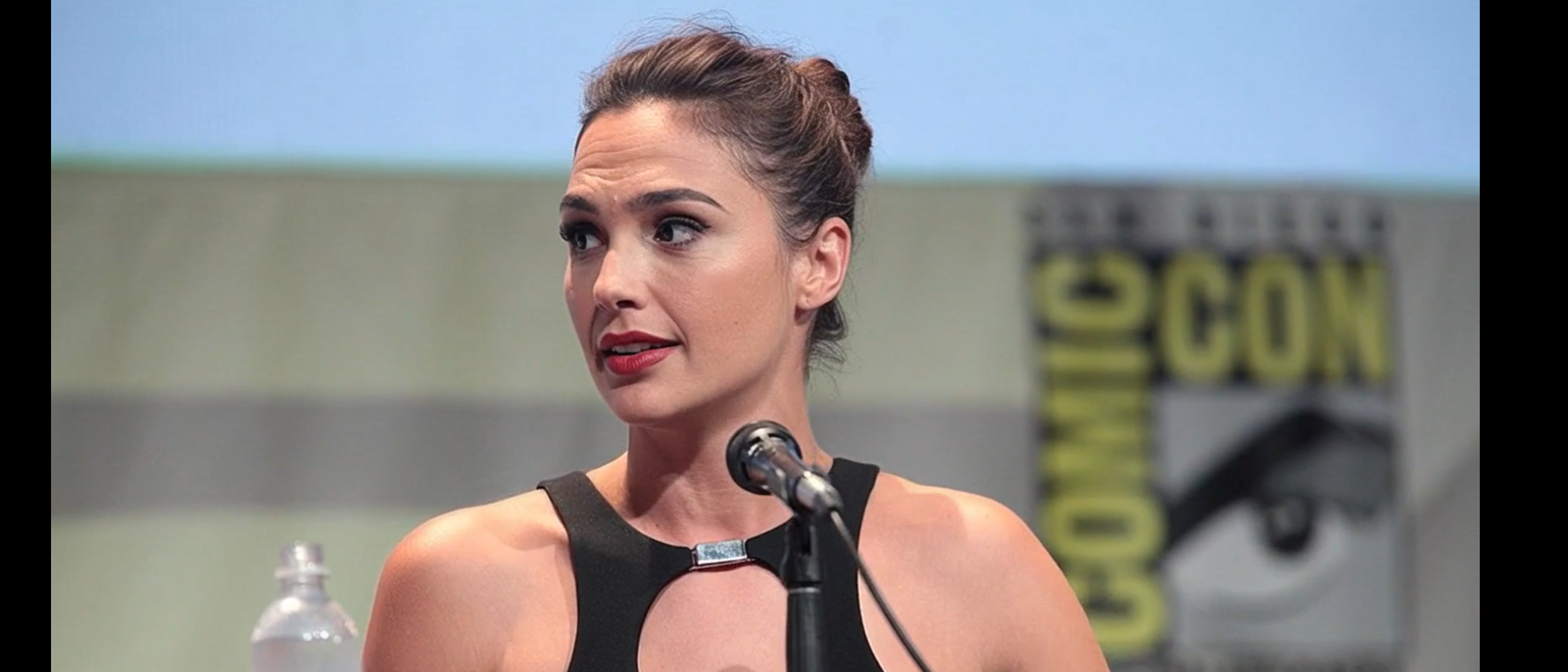

Israeli actress Gal Gadot recently addressed the growing public backlash against her films. Commenting on the situation, she stated: “People are boycotting my movies just because I support Israel. It’s not fair.”
This statement highlights a complex global conversation about celebrity influence. Many individuals use consumer boycotts to signal strong moral disapproval. Proponents argue that targeting high-profile celebrities draws vital attention to serious geopolitical conflicts. Consumers want to pressure public figures to align with international human rights standards. In this framework, activists prioritize the collective goal of protecting vulnerable populations over an individual’s career.
Evaluating Fairness and Creative Freedom
Conversely, another viewpoint emphasizes individual autonomy and fairness. This perspective argues that holding individual artists personally responsible for state actions produces negative cultural outcomes. Boycotting creators based on their national identity or personal beliefs can quickly stifle artistic expression. Furthermore, critics argue that penalizing an actor does not lead to measurable political solutions on the ground.
Ultimately, this ongoing controversy balances two distinct social values. It questions whether consumer pressure outweighs the societal benefit of keeping art separate from complex geopolitical conflicts.
Gal Gadot (Israeli actress) Says:
“People are boycotting my movies just because I support Israel. It’s not fair.”
What’s your response to her ?? pic.twitter.com/wcV1aqEHUV
— Alina Visao (@Alinavisoo_life) July 9, 2026
The Impact of Social Media on Celebrity Activism
Modern digital platforms have completely transformed how fans interact with Hollywood stars. Today, a single public statement can instantly spark global movements.
-
Amplified Voices: Celebrities possess massive platforms that reach millions of households daily.
-
Economic Pressure: Organized online groups can drastically impact box office revenues through coordinated actions.
-
Cultural Polarization: Public disputes often force audiences to take rigid sides, reducing nuanced discussion.
As artificial intelligence and digital communication grow, these public boycotts will likely increase. Fans now demand high levels of social responsibility from the creators they support. Consequently, actors must navigate an increasingly tense cultural landscape where personal opinions carry heavy professional consequences. Fictional entertainment and real-world politics remain deeply intertwined.

