
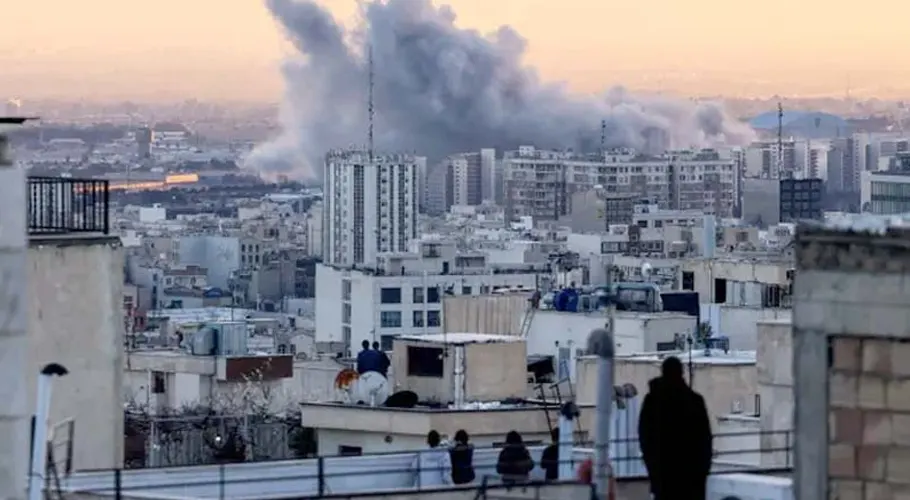

A new report by The Wall Street Journal has raised fresh questions about the extent of regional involvement in the recent conflict involving the United States, Israel, and Iran. According to the report, the United Arab Emirates allegedly carried out multiple airstrikes against Iranian targets during the war, significantly expanding the list of countries said to have participated in military operations.
The report, which cited sources familiar with the matter, claimed that the UAE launched dozens of strikes during the conflict. The alleged operations reportedly began in the early stages of the war and continued until shortly after a ceasefire was announced.
If confirmed, the revelations would mark one of the most significant developments in the conflict and highlight the growing complexity of security alliances in the Middle East.
Report Claims UAE Coordinated Operations With United States and Israel
According to the newspaper, the alleged military campaign was conducted in close coordination with the United States and Israel. Sources cited in the report claimed intelligence sharing played a central role in identifying and selecting targets inside Iran.
The report suggested that operational cooperation among the three countries helped shape military actions throughout the conflict. Intelligence support was reportedly used to improve targeting accuracy and coordinate strike missions.
However, no official confirmation has been issued by the governments involved. Authorities in the UAE, the United States, Israel, and Iran have not publicly verified the claims outlined in the report.
The absence of official statements has left many questions unanswered regarding the scale, timing, and objectives of the alleged operations.
Analysts say the report could increase international attention on regional security arrangements and military partnerships that have developed in recent years.
Strategic Iranian Sites Reportedly Targeted During Conflict
The report identified several locations inside Iran that were allegedly targeted during the military campaign. These included strategic sites linked to transportation, energy infrastructure, and maritime operations.
Among the locations mentioned were the islands of Qeshm and Abu Musa, both situated near the Strait of Hormuz. The report also referred to alleged strikes in the Bandar Abbas port region, one of Iran’s most important commercial and naval hubs.
Additional targets reportedly included the Laavan Island oil refinery and the Assaluyeh petrochemical complex. Both facilities are considered important components of Iran’s energy sector and play a significant role in the country’s economy.
Sources cited in the report claimed that parts of Iran’s energy infrastructure were attacked in response to previous strikes on Emirati oil and gas facilities. The report described the operations as retaliatory actions linked to escalating regional tensions.
Security experts note that attacks on energy facilities can have far-reaching economic consequences, particularly in a region that remains central to global energy markets.
Regional Tensions Highlight Broader Dimensions of Conflict
One of the most significant claims in the report concerns the alleged strike on the Assaluyeh petrochemical complex. According to the sources, the operation was conducted in coordination with Israel and generated strong international reactions.
The report further claimed that following the incident, US officials urged Israel to avoid additional attacks on energy infrastructure. The concern was reportedly focused on preventing a wider escalation that could threaten regional stability and disrupt global energy supplies.
The allegations underscore how the conflict may have extended beyond the publicly acknowledged participants. They also reflect the increasingly interconnected nature of security challenges across the Middle East.
While the claims remain unverified by official sources, the report has intensified discussion about the role of regional powers in the conflict and the possibility of broader military cooperation behind the scenes.
As questions continue to emerge, attention is likely to remain focused on whether governments involved choose to address or clarify the allegations in the coming days.

