
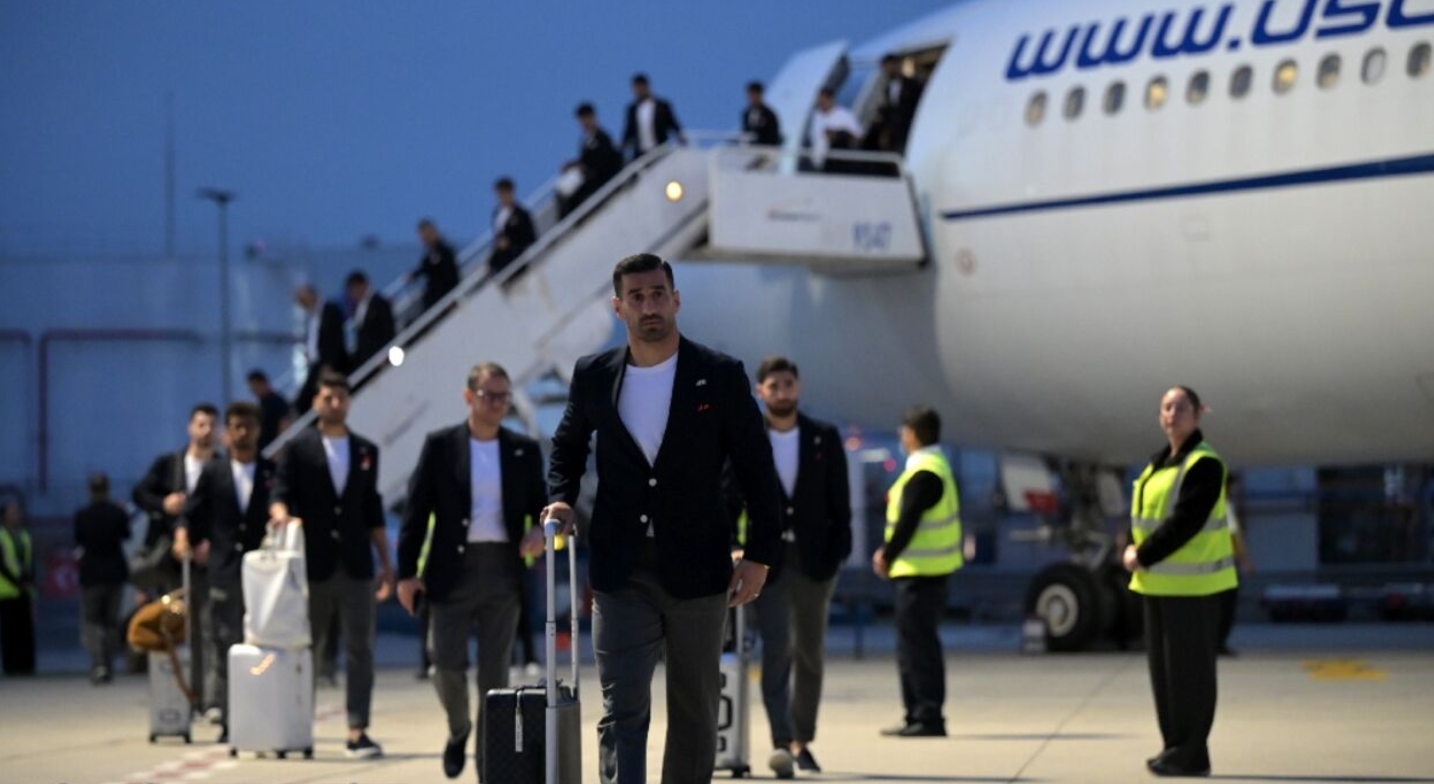

Iran’s national football team arrived in Mexico on Sunday ahead of the 2026 World Cup. However, their arrival came amid a growing visa dispute involving the United States.
The tournament is jointly hosted by the United States, Mexico, and Canada. Iran will play all group-stage matches in the United States.
Despite this, the team has been based in Tijuana, Mexico, due to unresolved visa issues affecting support staff.
Coach Raises Concerns Over Visa Delays
Iran coach Amir Ghalenoei criticized the situation upon arrival. He stated that preparation time had been disrupted.
He said, “we should have been here last week because a 12-hour time difference needs two weeks of adjusting.”
He further added, “usually in these tournaments, before technical matters, ethical and human considerations must be respected — which I think for us it was not the case.”
The comments reflected frustration over delayed visa approvals for parts of the team delegation.
Visa Issues Affect Support Staff
While players eventually received visas, several support staff were reportedly denied entry permits. Around 15 administrative and management personnel were affected.
Iran’s embassy in Turkey described the situation as discriminatory treatment against the national team.
Officials called on FIFA to intervene and ensure compliance with tournament rules.
The dispute added pressure just days before the World Cup kickoff.
Security and Entry Restrictions Spark Debate
Reports also suggested additional restrictions on Iran’s entry conditions into the United States. Some officials indicated the team may be required to leave US soil on match days.
Iranian officials disputed this interpretation, claiming multiple-entry visas had been issued for players.
Iran team spokesman Amir Mahdi Alavi said, “the visas issued for the national team are multiple-entry visas, and the national team will arrive at the match venue one day before the first game and, for the following games, two days prior to each match.”
The conflicting statements highlighted ongoing uncertainty around travel arrangements.
Players Express Frustration but Stay Focused
Team captain Ehsan Hajsafi also expressed concerns over the delays. He urged football authorities to address the situation.
He said, “why so late?”
He also referred to broader national difficulties, stating, “in the last year, we experienced two imposed wars in our country.”
Despite challenges, he emphasized readiness for competition and said the team remained confident.
Another player, Alireza Jahanbakhsh, said preparations were going well and morale remained positive ahead of their opening match against New Zealand.
FIFA and Political Tensions Over Visa Dispute
Iran’s football federation accused authorities of political interference in sport. Officials argued the visa delays violated FIFA principles.
A US official defended security screening procedures, stating concerns about potential risks linked to individuals accompanying the team.
Officials said, “we will not allow the Iranian team to abuse this system to sneak terrorists into the United States under false pretenses.”
The remarks intensified already strained diplomatic relations.
Calls for Separation of Politics and Sport
Local voices near the team’s hotel in Tijuana expressed concern over political tensions affecting football.
One local worker said, “they shouldn’t mix football and politics — they are two very different things.”
The situation has reignited debate over the influence of international politics on global sporting events.
Conclusion
Iran’s World Cup campaign has begun under unusual and politically charged circumstances. Visa restrictions and diplomatic tensions have overshadowed preparations.
Despite these challenges, the team insists it is fully ready to compete. However, the dispute continues to raise questions about the intersection of sport, security, and international relations.

