
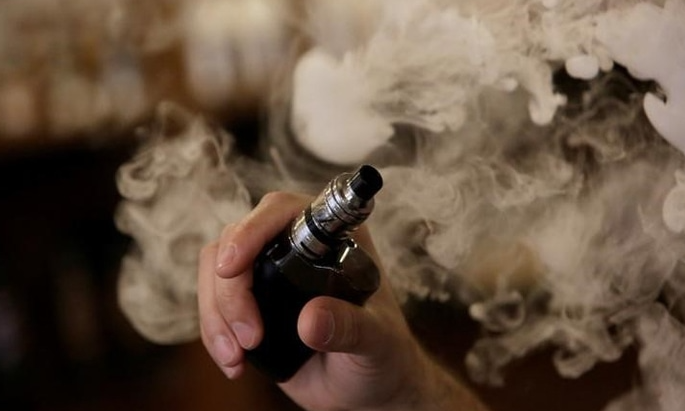

The Punjab government has introduced stricter restrictions on vaping and e-cigarettes as part of efforts to protect young people from nicotine products. The latest measures target the sale of vapes in educational institutions and nearby commercial areas.
Under amended food quality regulations published in the Punjab Gazette, schools, colleges, universities and other educational institutions must stop selling vaping products through their canteens and cafeterias.
The restrictions also cover food businesses operating within 100 metres of educational institutions.
Vapes Included in New Campus Restrictions
The revised regulations prohibit several products from educational institutions. These include tobacco products, vapes, carbonated drinks, energy drinks, artificial beverages and foods containing monosodium glutamate, commonly known as Chinese salt.
Cotton candy, gola ganda and ice lollies also appear on the prohibited list.
The government has introduced a three-category system to classify food items according to their nutritional value. The system aims to encourage healthier choices while restricting products considered unsuitable for students.
Government Focuses on Youth Protection
Authorities have raised concerns about the growing popularity of vaping among young people. The restrictions aim to reduce students’ access to nicotine products and discourage their use around educational institutions.
The government has also called for stronger enforcement of tobacco-control measures in public spaces and educational settings.
However, the new campus restrictions should not be confused with a confirmed, enforceable province-wide ban on the sale or use of all vaping products. Earlier legal proceedings challenged Punjab’s broader crackdown, and the Lahore High Court ordered authorities to suspend coercive enforcement against vape businesses until proper legislation was introduced.
Wider Regulation Remains a Developing Issue
Pakistan continues to debate how it should regulate electronic cigarettes, including their sale, advertising, import and use by minors.
A separate bill introduced in the Senate has proposed rules for vaping products, including age limits and restrictions near educational institutions. However, proposed legislation does not become law until the required legislative process is complete.
For now, Punjab’s amended educational-institution regulations establish restrictions on selling vapes in campuses and nearby businesses. Any wider prohibition will depend on the applicable laws, court orders and future government decisions.
For the latest updates, visit and follow The Truth International website (www.thetruthinternational.com) and subscribe to the YouTube Channel.

