

Germany Calls for Stronger European Defence Role
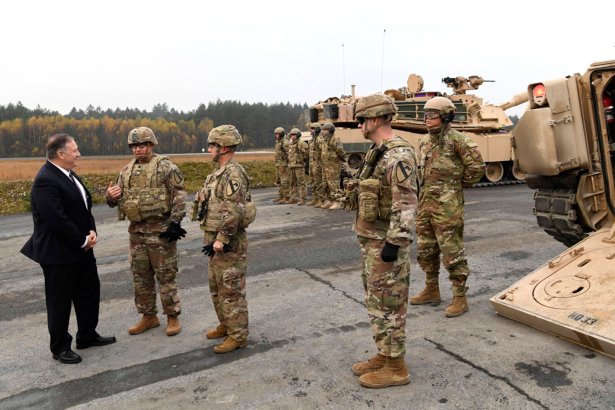
A planned reduction of United States troops in Germany is intensifying debate across Europe. The decision could reshape the region’s defence priorities. Around 5,000 troops are expected to leave, affecting the current deployment of nearly 40,000 American soldiers.
German Defence Minister Boris Pistorius said the move should serve as a wake-up call. He urged European nations to invest more in their own military strength. According to him, Europe must take greater responsibility for its security instead of relying heavily on Washington.
Germany has already begun expanding its armed forces. Plans include increasing troop numbers and improving military infrastructure. Procurement processes are also being accelerated to strengthen readiness.
Trump Signals Deeper Cuts and Rising Tensions
The Pentagon confirmed the initial troop withdrawal. However, Donald Trump indicated that deeper cuts could follow. He stated that reductions would go far beyond the announced figure.
This announcement comes during heightened tensions between the United States and European allies. Disputes over trade tariffs and geopolitical strategies have widened the transatlantic divide. Trump has long argued that Europe should bear more defence costs.
The decision also cancels a previous plan to deploy a battalion equipped with Tomahawk missiles. This cancellation is seen as a strategic setback for Berlin. The deployment was intended to strengthen deterrence against Vladimir Putin.
Meanwhile, senior lawmakers in Washington have raised concerns. Roger Wicker and Mike Rogers warned that reducing troops could weaken deterrence. They argued forces should be repositioned closer to Eastern Europe instead.
NATO Allies Fear Strategic Weakening
NATO is now working closely with Washington to understand the details of the withdrawal. The alliance faces growing uncertainty about its future structure and strength.
Polish Prime Minister Donald Tusk expressed concern about the broader implications. He warned that internal divisions pose a serious risk to the alliance. According to him, unity is essential to counter external threats.
Germany’s military ambitions highlight the scale of the challenge. The country aims to expand its Bundeswehr force significantly. However, budget constraints and capability gaps remain major hurdles across Europe.
The US military presence in Germany has historical roots. It began after World War II and expanded during the Cold War. Key facilities like Ramstein Air Base have played critical roles in global operations.
The latest Pentagon decision includes removing a full brigade. It also halts the deployment of long-range missile units. Experts say this reduces NATO’s operational strength. The United States currently holds a major advantage in long-range strike capabilities within the alliance.
This shift signals a turning point in transatlantic relations. Europe now faces increasing pressure to secure its own future.

