
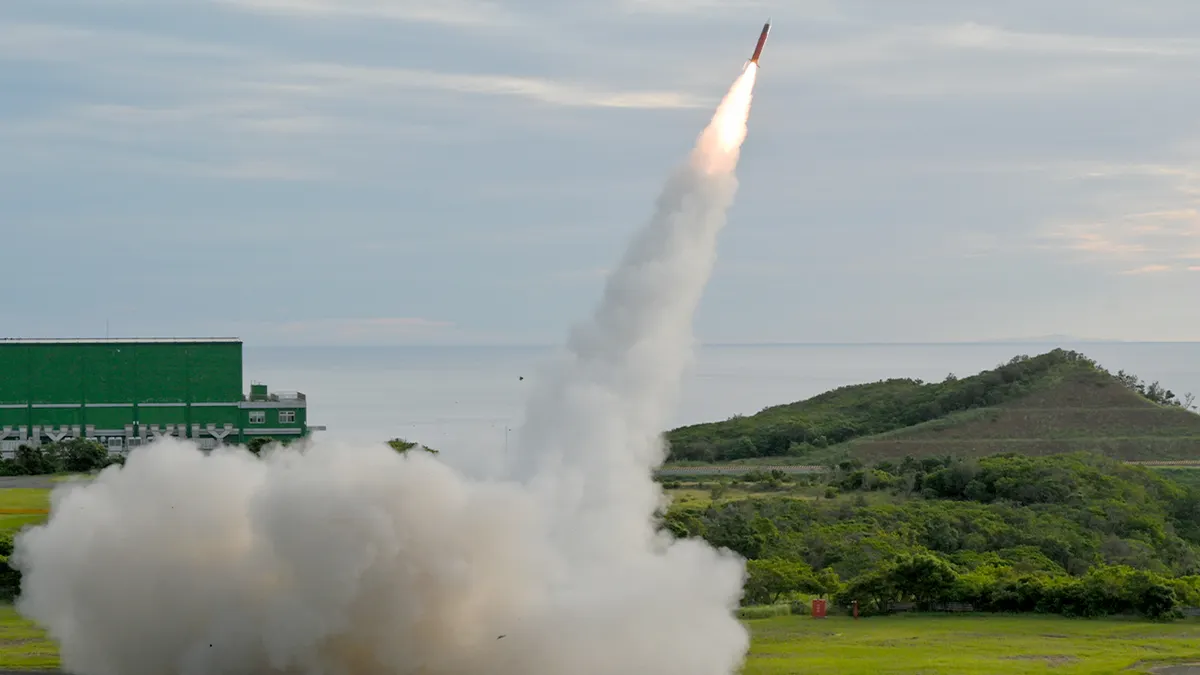

Critical Air Defense Systems Face Shortages
The United States military is facing growing pressure on its weapons reserves as the conflict with Iran continues.
A report by The Washington Post said months of intensive operations have reduced supplies of important military equipment.
The shortages reportedly include air defense interceptors and long-range precision-guided weapons.
A US official told the newspaper that existing stockpiles may not be sufficient to sustain operations safely for an extended period.
The Pentagon has not publicly released detailed figures showing how many missiles or interceptors remain available.
Iran Reportedly Retains Large Missile Arsenal
Intelligence assessments cited in the report suggested that Iran still holds most of the missile arsenal it possessed before the conflict.
Meanwhile, the United States has used billions of dollars’ worth of advanced weapons during military operations.
These weapons include missile interceptors designed to protect military bases, aircraft, ships and allied territories.
Precision-guided munitions have also been used to strike military facilities, launch sites and other strategic targets.
The difference between Iran’s remaining missile inventory and America’s weapons consumption has raised serious concerns in Washington.
Officials are reportedly questioning how long current operations can continue without creating wider security risks.
Any prolonged conflict could force the Pentagon to limit certain operations or move weapons from other regions.
Defense Industry Faces Growing Production Demands
The Iran conflict has increased pressure on the American defense industry.
US weapons manufacturers were already working to meet rising demand from several regions.
Washington continues to provide major military support to Ukraine.
The United States also maintains security commitments in the Indo-Pacific and across the Middle East.
These responsibilities require large supplies of missiles, interceptors, ammunition and other advanced systems.
American officials have repeatedly called for increased domestic weapons production.
They want manufacturers to expand factories, improve supply chains and accelerate delivery schedules.
However, advanced missile systems can take months or years to produce.
Production also depends on specialised components, trained workers and limited manufacturing facilities.
The Pentagon has not confirmed the specific shortages described in the report.
However, the concerns highlight the growing cost and logistical pressure created by a prolonged military campaign.

