

Blockade Ends After Trump-Pezeshkian Agreement
The United States has lifted its naval blockade of Iranian ports after President Donald Trump signed a deal with Iranian President Masoud Pezeshkian to end the Middle East war.
The move marks a major shift after weeks of conflict that disrupted regional security and global energy routes.
According to the US military, American forces ended restrictions that had prevented ships from entering or leaving Iranian ports. However, US warships will remain in the wider region to monitor developments.
The agreement has started a 60-day period for further talks between Washington and Tehran. These talks are expected to focus on wider issues, including Iran’s nuclear programme and regional security.
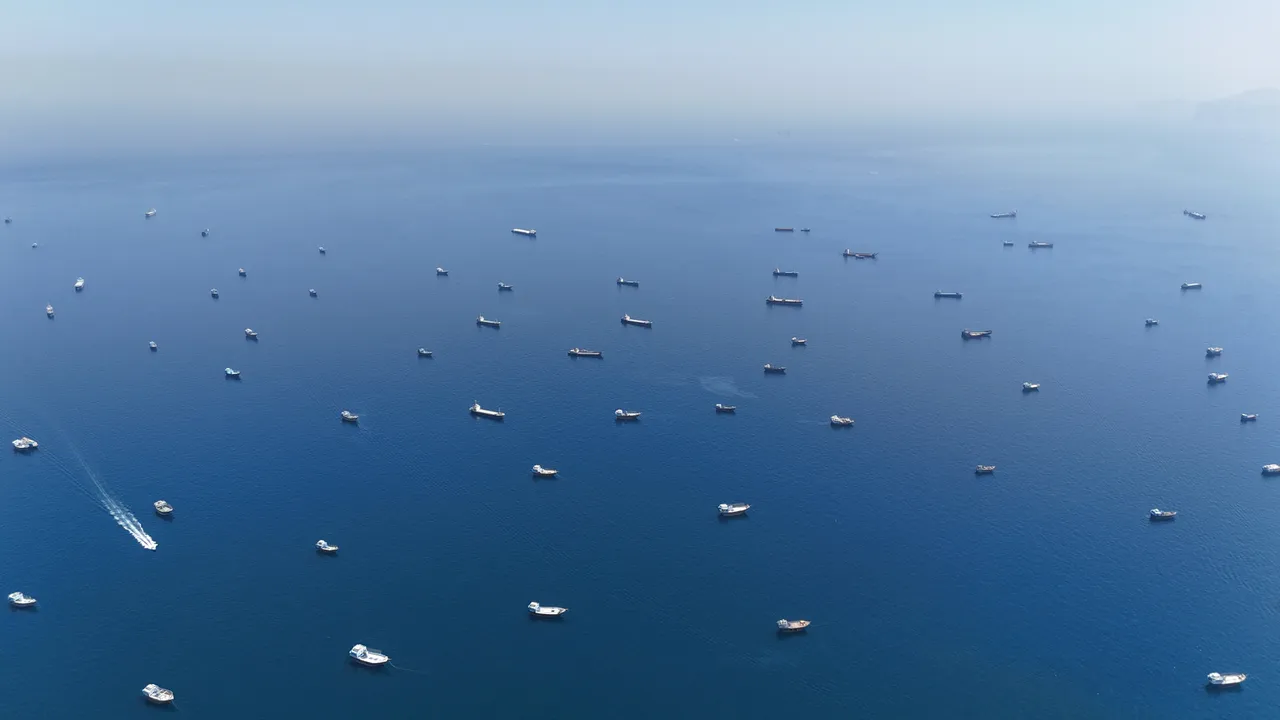
The deal also requires the immediate reopening of the Strait of Hormuz. Iran had blocked the strategic waterway during the conflict. The strait is one of the world’s most important routes for oil and gas shipments.
Shipping Slowly Resumes Through Strait of Hormuz
Oil prices fell after the agreement was signed. However, shipping activity through the Strait of Hormuz remained limited.
Maritime trackers said three Saudi oil tankers left the Gulf through the strait on Thursday. A loaded liquefied natural gas vessel also completed transit, becoming the first such French vessel to pass since the conflict began.
US Vice President JD Vance said the US military had allowed at least 12 ships to move through the area. Before the war, around 120 vessels passed through the strait daily.
Vance said he may travel to Switzerland for technical negotiations with Iran this weekend. However, he added that the plan could still change.
Iranian media also reported that no final decision had been confirmed regarding the visit of an Iranian delegation to Switzerland.
Nuclear Talks and Political Pressure Ahead
Under the agreement, Washington has committed to immediately waive oil sanctions that have damaged Iran’s economy.
The deal also mentions a possible reconstruction fund worth $300 billion if a final nuclear agreement is reached. The fund would be supported by regional nations.
US officials said Iran is expected to dilute its enriched uranium stocks under the supervision of the United Nations nuclear watchdog.
However, Iran’s ballistic missile programme is not included in the agreement. This has raised concerns among Israeli officials and some US lawmakers.
Republican Senator Bill Cassidy criticised the deal and called it a major foreign policy mistake. He said Iran’s nuclear ambitions had not been stopped.
Trump rejected criticism and warned that the US would respond strongly if Iran violated the deal.
In Iran, reaction has also been mixed. President Pezeshkian called the agreement historic, while some hardliners expressed doubts about its long-term impact.
The deal may end the current conflict, but many questions remain. The next 60 days will be crucial for determining whether the agreement leads to lasting peace or another phase of regional tension.

