
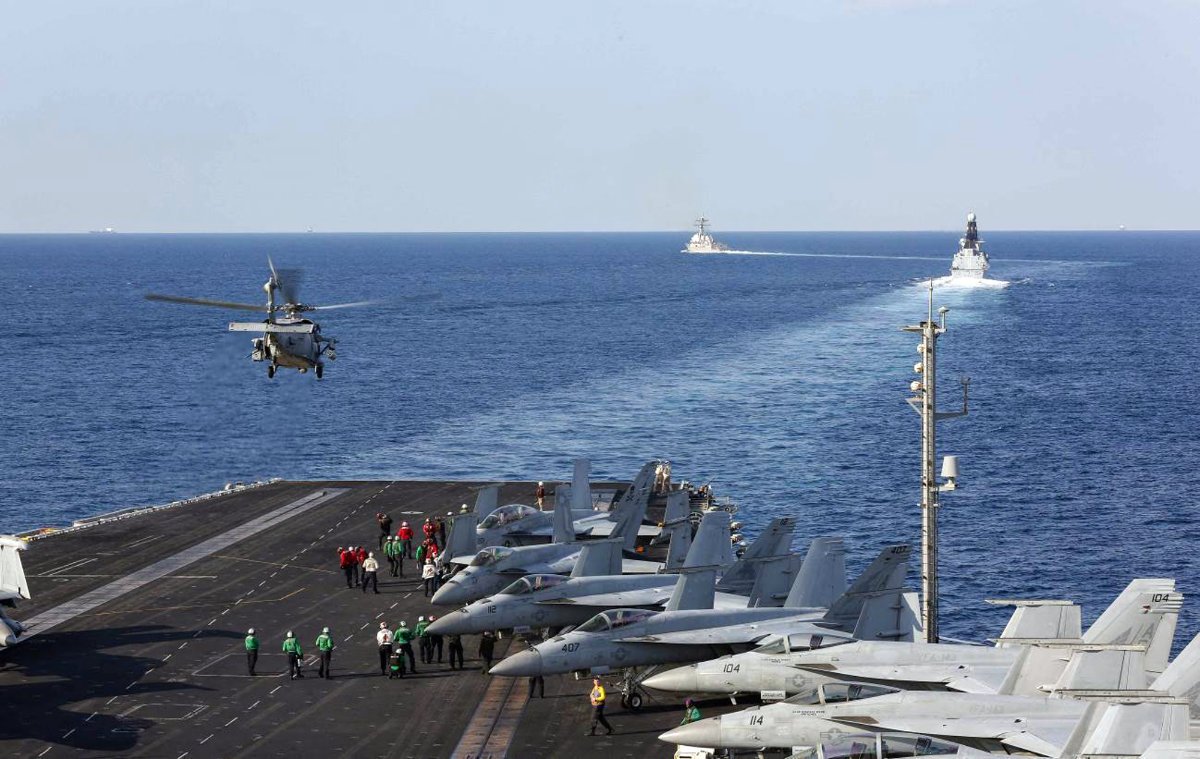

The United States has stepped up efforts to protect global shipping lanes by deploying advanced sea drones in the Strait of Hormuz. According to a report by Al Jazeera, the US military is using unmanned systems to detect and clear possible naval mines in the region. The move aims to restore safe and steady commercial shipping flow through one of the world’s most critical energy corridors.
Advanced Drone Systems Enhance Mine Detection Operations
Reports from The Wall Street Journal indicate that the operation includes both manned and unmanned technologies. These systems are working together to identify and neutralize potential underwater threats. The use of unmanned underwater vehicles allows faster and more precise inspections of high-risk areas.
Military experts highlight the efficiency of these tools. Kevin Donegan, a former US Navy vice admiral, explained that drone technology can significantly reduce survey time. He noted that small sections of water can be scanned within days instead of weeks. This improvement is crucial for maintaining uninterrupted maritime traffic.
The deployment reflects a broader shift toward modern naval strategies. Unmanned systems reduce risk to personnel while improving operational speed. They also allow continuous monitoring in sensitive zones where traditional methods may be slower or more dangerous.
Strategic Importance of Strait Drives Urgent Action
The Strait of Hormuz plays a key role in global energy supply. A large portion of the world’s oil shipments pass through this narrow route. Any disruption can impact international markets and increase economic uncertainty.
Recent tensions in the region have raised concerns about maritime security. Reports of possible mines have added to fears of shipping delays and rising insurance costs. The US response aims to reassure global trade partners and prevent further escalation.
Officials say the operation focuses on keeping the waterway open and safe. Ensuring smooth passage for commercial vessels remains a top priority. The use of advanced surveillance and detection tools is expected to strengthen confidence among shipping companies.
The mission also signals continued US involvement in maintaining stability in the Gulf region. By combining technology with naval expertise, the operation seeks to address both immediate threats and long-term security challenges.
As monitoring continues, global attention remains fixed on the region. Safe navigation through this critical route is essential for energy markets and international trade.

