
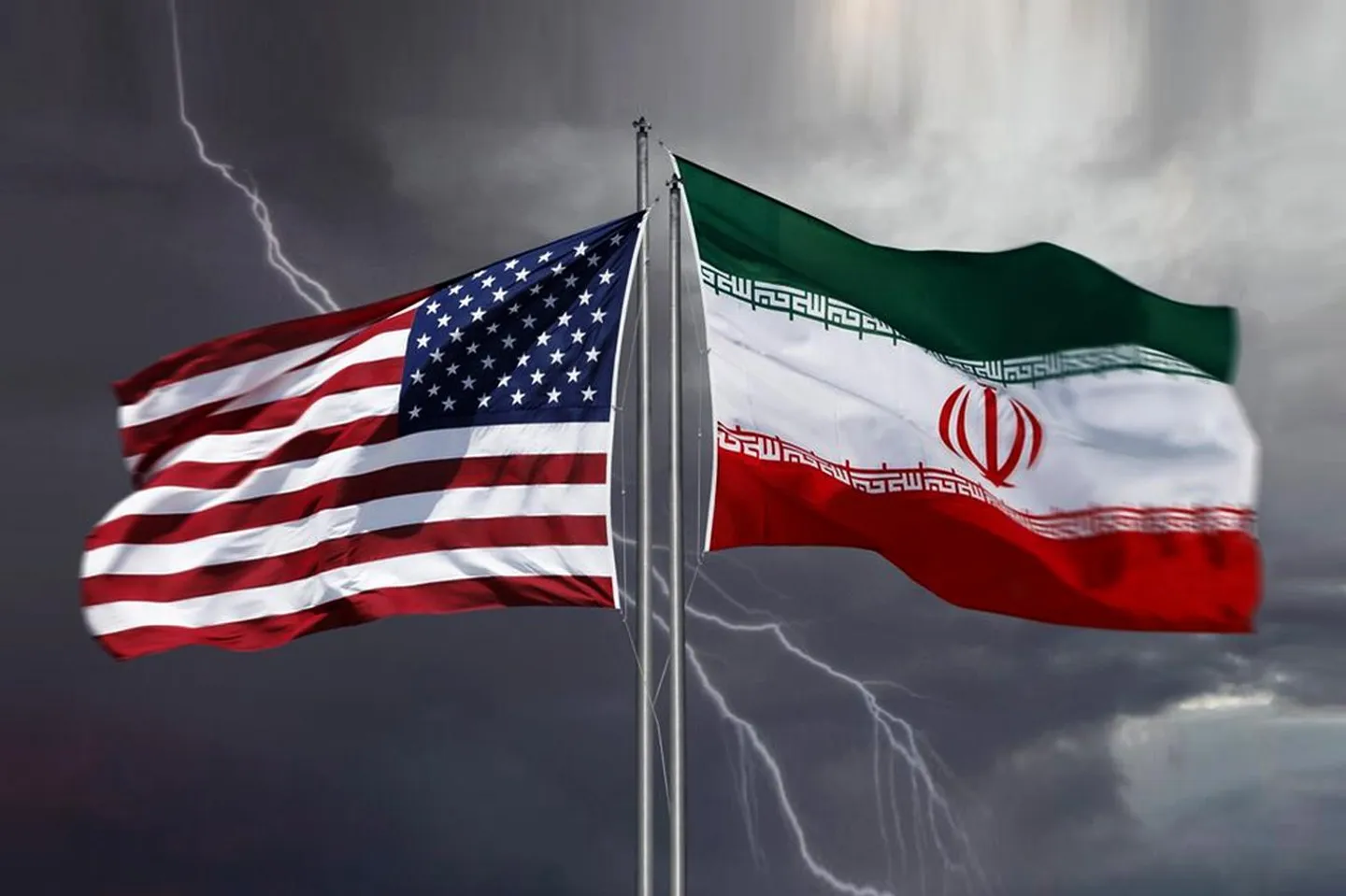

The United States and Iran have exchanged fresh threats following some of the heaviest fighting between the two countries in recent weeks.
The latest escalation has deepened the military standoff in the Middle East, nearly six months after the conflict began.
US President Donald Trump said American forces carried out a “very heavy attack” against Iranian targets overnight.
Trump warned that the United States was prepared to launch another major attack if Iran retaliated.
Iran, meanwhile, warned Washington that it had adopted a new strategy on the battlefield and in its diplomatic and economic response.
The latest confrontation has raised fears that continued retaliation could push the conflict toward a wider regional war.
Trump Warns Iran of Further Attacks
Trump said US forces had targeted Iranian military infrastructure around the Strait of Hormuz.
He claimed Iran had been attempting to restore radar and missile systems and develop rocket capabilities that could be used to deploy mines in the strategic waterway.
“We’re prepared to do another one any time we want,” Trump said, describing the latest operation as a major US military strike.
He later said he did not expect the renewed US campaign against Iran to continue for a long period.
However, Trump also warned that Iran would face a much stronger response if it retaliated against the latest American strikes.
The US administration has also increased economic pressure on Tehran. Washington is threatening additional sanctions against countries and companies that continue trading with Iran.
US Energy Secretary Chris Wright said the administration’s expanded sanctions campaign would seek to impose maximum economic pressure on Iran.
Iran Warns of New Battlefield Strategy
Iran’s Supreme National Security Council Secretary Mohsen Rezaei said Tehran had adopted a new strategy covering military operations, diplomacy and resistance to economic pressure.
He warned that Iran’s response would challenge what he described as the foundations of the US campaign.
Iranian forces launched attacks against US military positions in Jordan, the United Arab Emirates, Kuwait, Bahrain and Iraq’s autonomous Kurdistan region following the latest American bombardment.
The attacks came after extensive US strikes on Iranian targets on Tuesday.
Iran also accused the United States of hitting a wedding venue in southern Iran. The Iranian Red Crescent said four people, including a child, were killed and more than 50 others were wounded.
Iranian Foreign Ministry spokesman Esmaeil Baqaei condemned the reported attack and accused Washington of committing a war crime.
US Central Command said American forces do not target civilians and accused Iran’s Islamic Revolutionary Guard Corps of doing so.
Iranian parliament speaker and chief negotiator Mohammad Bagher Ghalibaf also condemned the reported strike, using strong language against the United States.
Strait of Hormuz Becomes Key Flashpoint
The Strait of Hormuz remains one of the most important flashpoints in the conflict.
The waterway previously carried around one-fifth of global oil supplies each day. Its disruption has raised concerns over energy markets and global shipping.
US forces escorted 40 commercial vessels through the strait on Tuesday. The vessels were carrying around 18 million barrels of oil, according to reports.
The US military also carried out strikes against Iranian military targets around the waterway during the operation.
The targets reportedly included air defence systems, radar installations, maritime assets, mine-laying capabilities and communications infrastructure.
Trump even suggested renaming the Strait of Hormuz “Trump Strait” after claiming that the United States had gained control of the strategic waterway, although he later indicated that the suggestion was not serious.
Israel Warns Iran Against Any Attack
Israel has also warned Iran against launching attacks on its territory.
Israeli Defence Minister Israel Katz said Israel was prepared to respond with “great force” if Iran attacked during the Jewish high holiday season beginning in mid-September.
Katz said Israeli forces were prepared both defensively and offensively.
He added that Israeli aircraft were ready to respond if necessary.
Israeli Foreign Minister Gideon Saar also said Israel would respond heavily if attacked but indicated that the country currently had no plans to rejoin the war.
Israel and the United States launched the conflict against Iran in late February. Israel has remained largely on the sidelines militarily since a ceasefire arrangement was reached in April.
The latest escalation has nevertheless increased concerns that Israel could become directly involved again if Iranian attacks expand.
Conflict Enters a Dangerous New Phase
The latest exchange of attacks comes as the war approaches its seventh month.
The United States is combining military pressure with an expanding economic sanctions campaign, while Iran continues to threaten retaliation against American and allied interests across the region.
The situation has also created growing concerns over commercial shipping, oil supplies and regional security.
For now, both Washington and Tehran appear unwilling to back down.
The latest threats from both sides raise the possibility of further military escalation if another round of retaliation takes place.
With the Strait of Hormuz remaining a major strategic flashpoint and US, Iranian and Israeli forces on heightened alert, the next phase of the conflict could have consequences far beyond the Middle East.

