
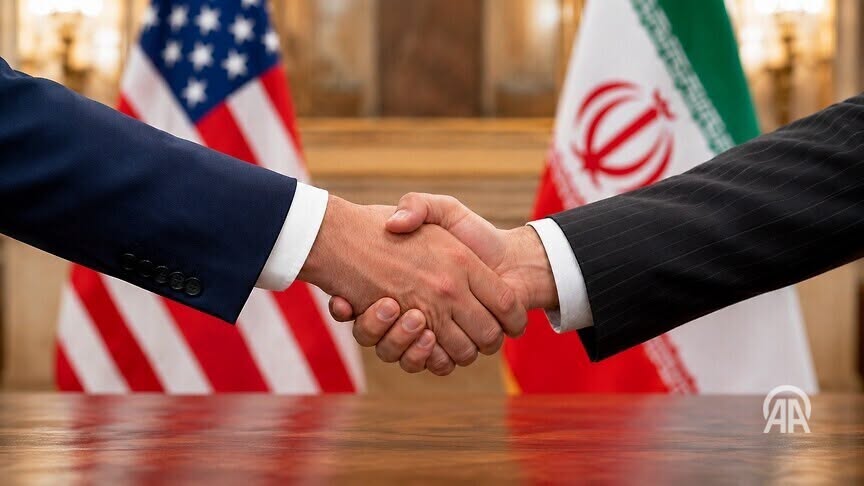

US Vice President JD Vance said Washington and Tehran have agreed to establish a direct security channel between US Central Command and Iran’s Revolutionary Guard Corps. The initiative aims to reduce tensions after the recent conflict between the two countries. Moreover, officials hope the mechanism will prevent future disputes from escalating into open warfare.
Speaking to the British website UnHerd after lengthy talks in Switzerland, Vance said both sides agreed to create a direct communication link. Under the arrangement, Iranian military representatives and US officers will meet in Doha, Qatar. Consequently, both countries expect the channel to help resolve disputes and lower regional tensions.
The negotiations in Switzerland were mediated by Pakistan and Qatar. Senior Iranian officials, including Parliament Speaker Mohammad Bagher Ghalibaf and Foreign Minister Abbas Araghchi, participated in the discussions. According to UnHerd, the proposed military communication channel marked the summit’s most significant breakthrough.
However, Vance cautioned that lasting progress depends on Iran translating its diplomatic statements into concrete actions. He said the current memorandum of understanding differs significantly from the Obama-era Joint Comprehensive Plan of Action. Instead, the document focuses on ending hostilities, reopening the Strait of Hormuz, and exploring the possibility of broader nuclear and sanctions agreements.
Vance also claimed Iran had proposed stronger nuclear inspections and the elimination of its enriched uranium stockpile. Furthermore, he said Tehran seeks a fundamentally improved relationship with Washington and the international community. Nevertheless, he acknowledged uncertainty over whether both sides can reach common ground.
Meanwhile, Vance revealed that Gulf states have opened fresh discussions with Tehran, including contacts involving the Revolutionary Guard. He specifically highlighted the United Arab Emirates for pursuing unprecedented economic dialogue with Iranian officials. However, Gulf countries opposed Iran’s proposal to link the emerging agreement with developments on the Lebanese front.

