

The threat of another US government shutdown has eased after the House of Representatives approved a federal funding bill. Lawmakers passed the measure by 370 votes to 48, clearing the way for continued government operations after October 1.
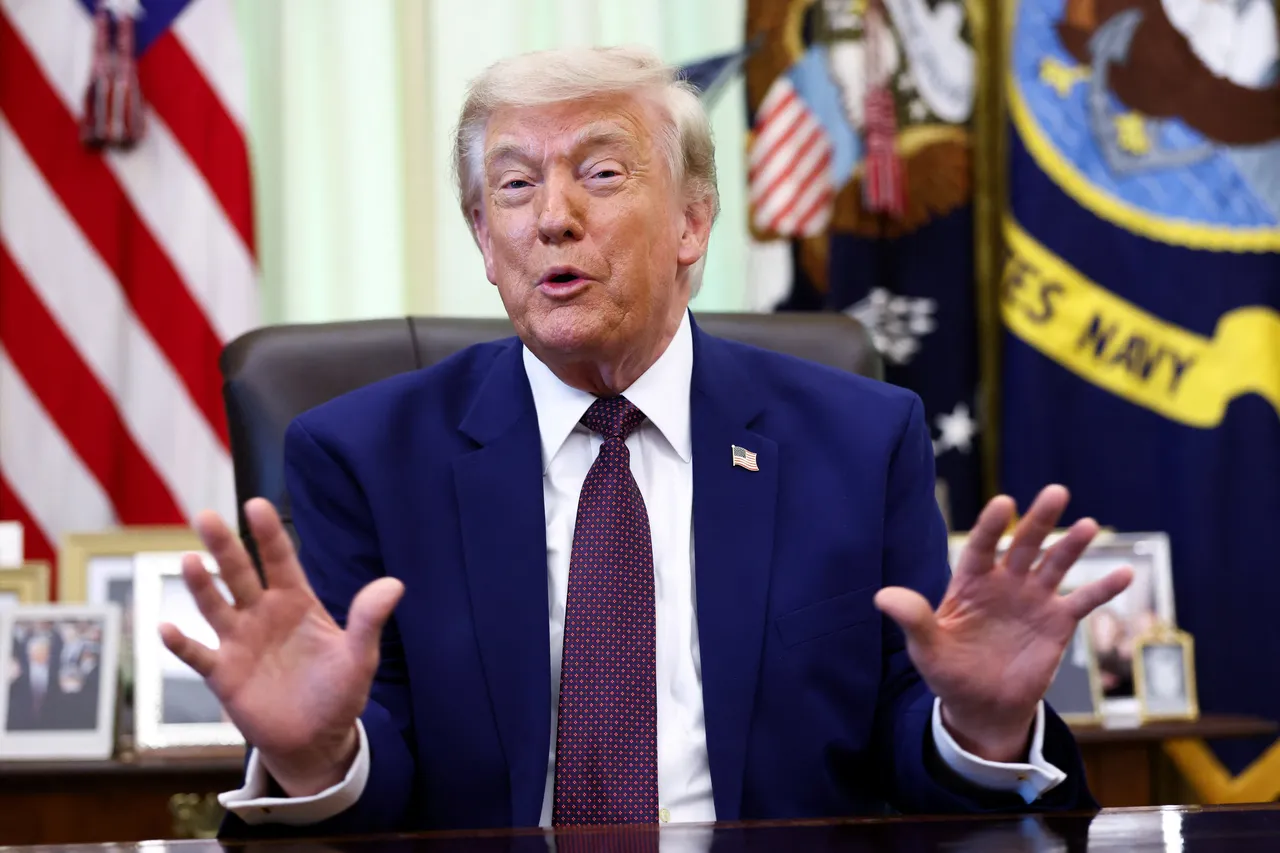
The bill now goes to President Donald Trump for his signature. Once signed, federal agencies can continue operating without an immediate funding lapse.
Agreement Restores Homeland Security Funding
The vote provides relief for the Trump administration as Congress works to secure stable funding for federal agencies.
Earlier, Republican congressional leaders reached an agreement to restore funding for the Department of Homeland Security (DHS).
The deal aims to end a weeks-long partial shutdown that caused significant disruption across US airports.
House Speaker Mike Johnson and Senate Majority Leader John Thune brokered the agreement. The proposal would restore funding for most DHS operations. However, some of the most disputed immigration enforcement spending would remain under a separate measure.
The agreement represents a major change in position for House Republicans. They rejected a similar Senate-backed proposal only days earlier.
However, Republicans moved to revive the plan after facing pressure from President Donald Trump.
Immigration Enforcement Remains Disputed
The agreement does not include Democratic demands for restrictions on aggressive immigration enforcement tactics. Those tactics have sparked widespread criticism and political debate across the United States.
Under the deal, DHS would receive funding through the end of the current fiscal year.
Meanwhile, agencies involved in Trump’s immigration crackdown would continue using previously approved funds.
These agencies include Immigration and Customs Enforcement (ICE) and parts of Customs and Border Protection (CBP).
Republican leaders also plan to pursue longer-term funding for border security and immigration enforcement. They intend to use a process known as budget reconciliation to advance those priorities.
The process allows Republicans to pursue certain spending measures without needing Democratic support.
As a result, the latest agreement reduces immediate shutdown concerns. However, disagreements over immigration policy and enforcement funding are likely to continue in Congress.

