

Washington Tightens Grip on Iran’s Global Supply Network
The United States has launched a new and expanded round of economic sanctions aimed at further isolating Iran’s economy and disrupting its military supply chains. The move marks another escalation in Washington’s pressure campaign against Tehran.
According to reports published by The New York Times, the latest sanctions specifically target individuals and commercial entities operating in China and Hong Kong. These groups are accused of helping Iran acquire sensitive materials and advanced military hardware.
The US government claims that these supply networks play a key role in supporting Iran’s defence production. Officials say the goal is to block access to components used in missile systems, drones, and other military equipment.
Treasury Secretary Scott Bessent stated that Washington will continue targeting networks that supply weapons allegedly used against US forces and allies. He emphasized that cutting financial and material support remains a top priority for national security.
Sanctions Expand Beyond Asia to Global Intermediaries
The new sanctions are not limited to East Asia. They also extend to entities operating in Belarus and the United Arab Emirates. US officials believe these locations serve as key transit points in Iran’s procurement network.
The main objective is to weaken Iran’s military-industrial base by cutting off access to critical imports. Washington hopes this strategy will slow down Iran’s ability to produce advanced weapons and reduce its regional influence.
Officials say the crackdown is part of a broader effort to stop the flow of dual-use technologies that can be converted into military applications. These restrictions are also expected to increase pressure on companies that indirectly support Iran’s defence sector.
Rising Diplomatic Pressure Ahead of High-Level US-China Talks
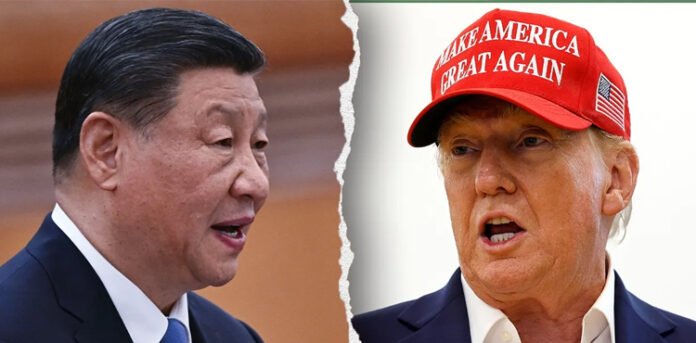
The timing of the sanctions is politically sensitive. The announcement comes just days before a planned high-level meeting between US President Donald Trump and Chinese leader Xi Jinping in Beijing.
Tensions between Washington and Beijing have increased over China’s continued trade ties with Iran. The US has repeatedly urged Chinese refineries to stop purchasing Iranian oil, arguing that these transactions help sustain Iran’s economy.
China remains the largest buyer of Iranian crude oil. US officials claim this trade provides financial support that allows Tehran to maintain its regional activities and military programs.
In addition, Washington continues to pressure Iran over the strategic Strait of Hormuz. The waterway is one of the world’s most important oil transit routes and has seen periodic disruptions during regional tensions.
As diplomatic and economic pressure increases, analysts expect further friction between the United States, China, and Iran in the coming months.

