

Revised Iranian Plan Could Shift Standoff Dynamics
Tensions remain high as Iran is expected to submit a revised peace proposal to the United States by Friday. The move aims to resolve the ongoing deadlock over the Strait of Hormuz, a critical global shipping route.
Earlier proposals from Tehran were reportedly rejected by the White House. Officials objected to delaying discussions on Iran’s nuclear program. The initial draft focused mainly on reopening the Strait, leaving nuclear concerns aside.
The revised proposal is expected to address these concerns. Analysts believe this could open the door for renewed negotiations. However, uncertainty remains over whether both sides will reach common ground.
The Strait of Hormuz plays a key role in global oil supply. Any disruption affects international markets. This makes the ongoing dispute a major geopolitical issue.
Military Options Under Review in Washington
At the same time, Donald Trump is expected to receive a high-level military briefing. Reports suggest the meeting will cover possible strategies against Iran. The briefing is said to involve the US Central Command led by Brad Cooper.
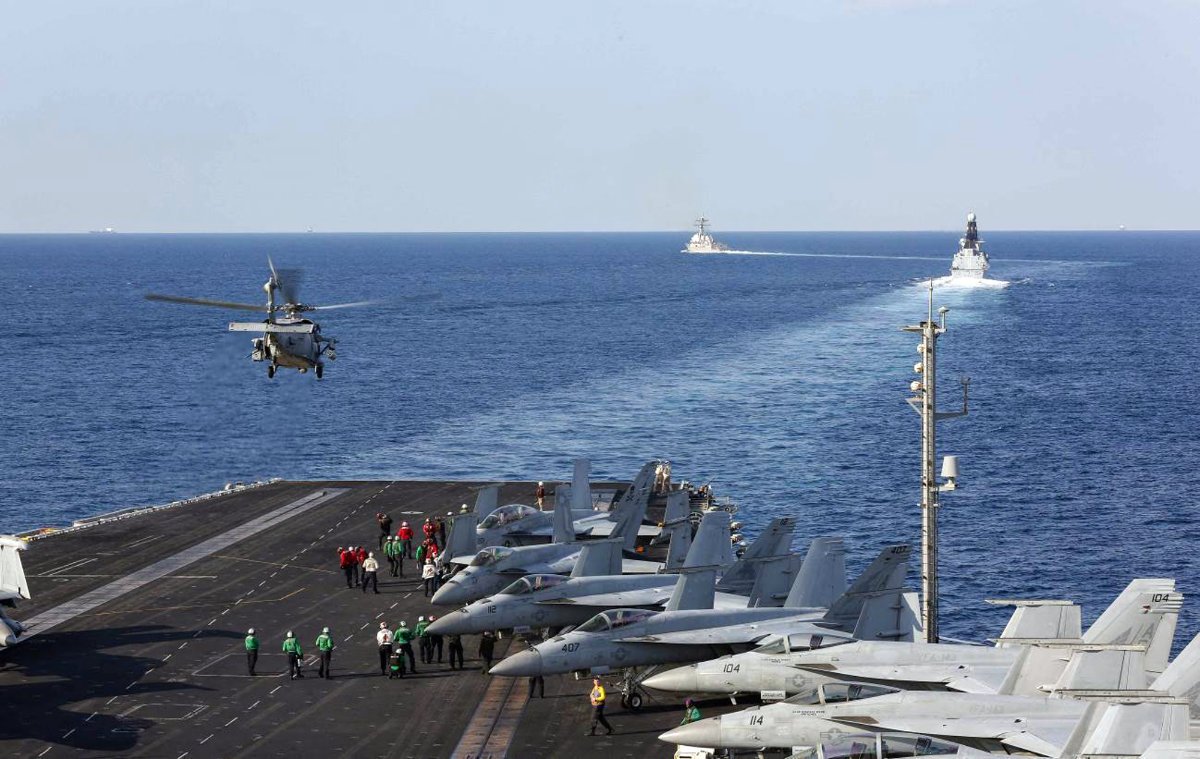
One option under consideration includes a targeted strike plan. It is described as short and powerful. The focus would be on key Iranian infrastructure. Another scenario involves securing parts of the Strait to restore commercial shipping routes.
There are also discussions about special operations. These could target Iran’s enriched uranium stockpiles. Such actions would aim to limit nuclear capabilities. However, these options carry significant risks.
The White House has not officially confirmed the meeting. Still, reports indicate growing urgency within US leadership. Strategic decisions may shape the next phase of the conflict.
Diplomatic Efforts Continue Behind the Scenes
Despite rising tensions, diplomatic channels remain active. Pakistan is reportedly playing a quiet mediating role. Sources suggest it is helping pass messages between both sides.
The goal is to prevent further escalation. Backchannel communication can help reduce misunderstandings. It also creates space for compromise.
US officials continue to apply pressure on Tehran. They believe economic and strategic measures will push Iran toward concessions. At the same time, Iran seeks relief from restrictions and recognition of its interests.
The situation remains fluid. A successful agreement could stabilize the region. Failure may increase the risk of confrontation.
Global observers are closely watching developments. The coming days are expected to be critical. Decisions made now could impact international security and energy markets.

