
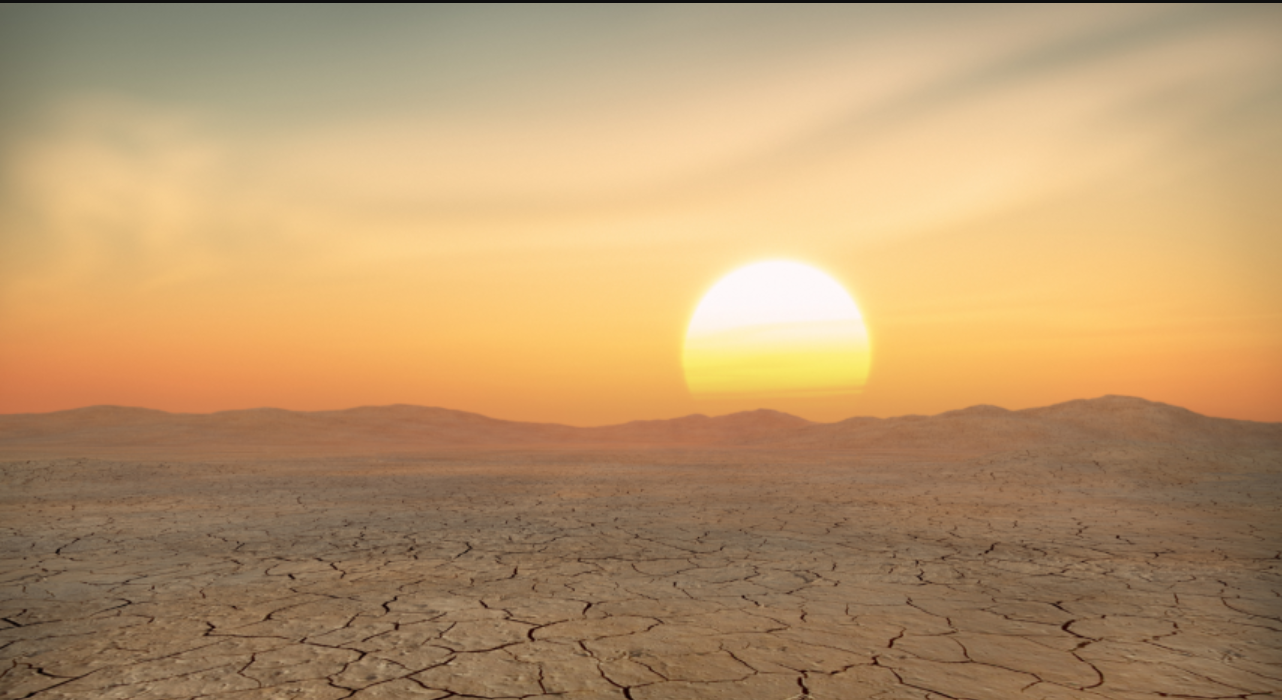

A strong El Niño is expected to develop rapidly between July and September, increasing the risk of extreme weather across many parts of the world. The United Nations’ weather and climate agency has urged governments and communities to prepare for its potential impacts.
According to the latest seasonal climate outlook, El Niño has already formed and is forecast to strengthen quickly during the coming months. As a result, countries could experience more heatwaves, droughts, heavy rainfall, and other weather extremes.
Strong El Niño Expected to Develop Soon
The World Meteorological Organization (WMO) said current climate models indicate that El Niño will strengthen rapidly during the July to September period.
The agency classifies El Niño events as weak, moderate, strong, or very strong. Current forecasts suggest the phenomenon is likely to reach the strong category.
According to the WMO, “El Nino conditions have developed in the tropical Pacific and are forecast to strengthen rapidly over the coming months, increasing the likelihood of… extreme weather events in many parts of the world.”
Climate experts also reported consistent warming across the central and eastern equatorial Pacific Ocean. Therefore, confidence in the current forecast remains high.
What Is El Niño?
El Niño is a naturally occurring climate pattern that warms sea surface temperatures in the central and eastern equatorial Pacific Ocean.
This warming changes global wind patterns, atmospheric pressure, and rainfall distribution. Consequently, many regions experience unusual weather conditions.
The phenomenon generally occurs every two to seven years and usually lasts between nine and twelve months.
Climate conditions normally alternate between El Niño, its opposite phase La Niña, and neutral conditions.
Higher Risk of Heatwaves and Extreme Rainfall
The WMO warned that a strengthening El Niño could increase the chances of severe weather in many regions.
These conditions may contribute to prolonged droughts in some countries while causing unusually heavy rainfall in others.
In addition, the agency expects a greater risk of heatwaves on land and marine heatwaves across several oceans.
WMO Secretary-General Celeste Saulo said, “El Nino conditions are already under way and are forecast to strengthen rapidly into a strong event.”
She added, “This will intensify the chances of drought and heavy rainfall and the risk of heatwaves on land and marine heatwaves in many regions.”
Global Temperatures Likely to Remain Above Average
The seasonal outlook predicts above-average temperatures across most land areas located between 60 degrees south and 60 degrees north.
This region covers nearly all populated parts of the world outside the polar areas.
Furthermore, forecasts indicate above-normal rainfall in some regions, including parts of the southwestern United States. Meanwhile, below-average rainfall is expected across the Indian subcontinent and much of Australia.
Climate Change May Intensify El Niño’s Effects
The WMO emphasized that there is currently no evidence showing climate change increases the frequency or intensity of El Niño events.
However, a warmer atmosphere and warmer oceans can amplify the impacts associated with El Niño.
Higher temperatures increase available energy and moisture in the atmosphere. Consequently, extreme weather events such as heatwaves and heavy rainfall may become more severe.
During the Northern Hemisphere summer, warmer Pacific waters may also support stronger hurricane activity in the central and eastern Pacific while reducing hurricane development in the Atlantic Ocean.
Early Warnings Remain Essential
The WMO said it is strengthening its early warning efforts to help countries prepare for the potential impacts of El Niño.
The agency noted that agriculture, health, water resources, and disaster management remain among the sectors most vulnerable to changing climate conditions.
Saulo stressed the importance of timely forecasts by saying, “Advanced seasonal forecasts and early warnings are vital to save lives and cushion the impact on our economies and our communities.”
With a strong El Niño expected to develop in the coming months, authorities are encouraging governments and communities to monitor official weather updates and strengthen preparedness measures before extreme weather conditions intensify.

