
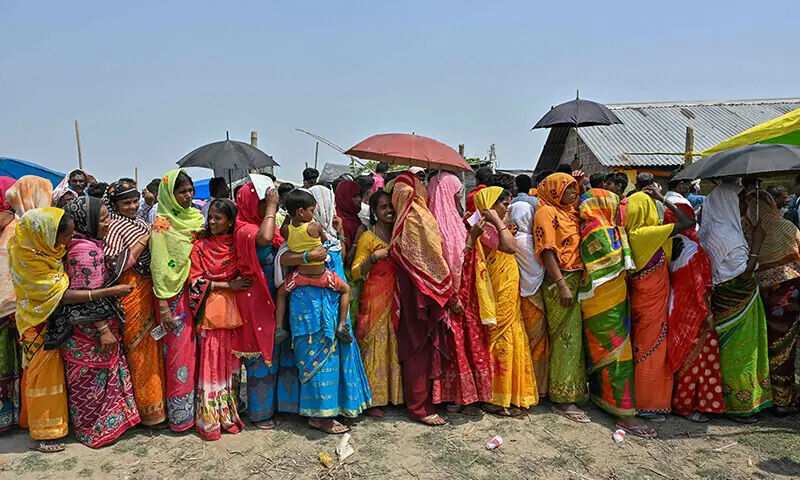

Rapporteurs raise concerns over electoral roll revisions and discrimination claims
KARACHI: Three United Nations special rapporteurs have formally sought clarification from the Government of India over allegations that millions of eligible voters, particularly Muslims, were removed from electoral rolls ahead of recent state elections, raising concerns about potential violations of international human rights standards.
According to a communication dated May 1, 2026, the independent UN experts expressed serious concern over a large-scale voter revision exercise that reportedly removed approximately 52 million names from electoral registers across 12 Indian states and union territories. While officials described the process as an effort to improve the accuracy of voter lists, the rapporteurs said reports suggested that Muslims, Bengali-speaking communities and other minorities were disproportionately affected.
West Bengal among the hardest-hit regions
The communication highlighted West Bengal as one of the most affected states, where about 9.1 million names were reportedly deleted before the assembly elections held on April 23 and 29. In Nandigram constituency, the experts cited reports claiming that nearly 95 percent of those removed from the electoral rolls were Muslims, despite the community representing only around one-quarter of the local electorate.
The rapporteurs also expressed concern that eligible voters, including elderly citizens possessing valid identity documents, were excluded because of minor spelling discrepancies. Furthermore, they questioned the use of an artificial intelligence-based system to identify voter irregularities, warning that such technology could introduce bias and inaccuracies in a critical democratic process.
UN cites international obligations
The UN experts also criticised statements by senior Indian officials that allegedly linked the voter revision process to the identification of “illegal Bangladeshi immigrants.” They warned that such rhetoric risked conflating Indian Muslim citizens with foreign nationals and could encourage discriminatory attitudes.
Meanwhile, India’s Supreme Court allowed eligible voters to regain voting rights through appellate tribunals. However, the rapporteurs noted that more than 3.4 million appeals overwhelmed the system, leaving many citizens unable to participate before election deadlines.
The UN reminded India of its obligations under the International Covenant on Civil and Political Rights, urging authorities to safeguard equal voting rights and prevent discrimination against any community during electoral processes.

