

Kurdish security agency says drones originated from Iranian territory as Masrour Barzani condemns attack as dangerous regional escalation
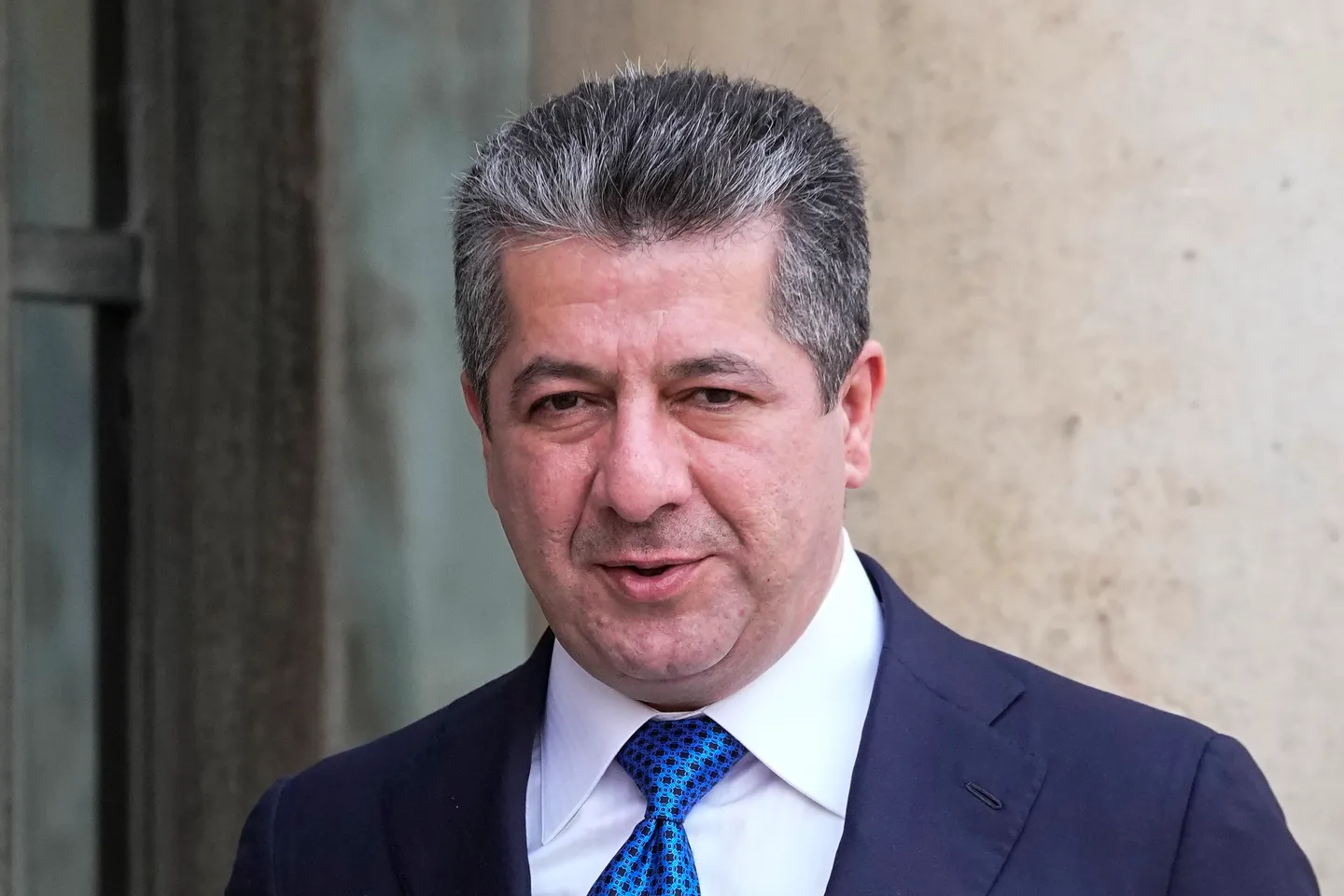
ERBIL: Two drones targeted the office of Kurdistan Regional Government (KRG) Prime Minister Masrour Barzani in northern Iraq on Monday, regional security authorities said, with no casualties immediately reported.
The KRG security agency said the drones originated from Iranian territory. However, authorities did not clarify whether either aircraft directly struck its intended target or provide details about resulting damage.
No group immediately claimed responsibility for the attack.
Barzani strongly condemned the incident, describing it as a dangerous escalation threatening the security and stability of Iraq’s autonomous Kurdish region.
Barzani Says Security Chief’s Residence Also Targeted
In a statement posted on X, Barzani said preliminary findings from the region’s counterterrorism authorities showed that attackers targeted both his personal office and the residence of the head of the KRG’s Security and Intelligence Agency.
“I condemn these reckless and unacceptable attacks in the strongest terms,” Barzani said.
Meanwhile, regional authorities have launched an investigation to establish who operated the drones and determine the circumstances surrounding their reported flight from Iranian territory.
The incident adds to longstanding security concerns in the Kurdish region, which has repeatedly faced drone and rocket attacks targeting political, military and energy infrastructure.
Previous Attacks Have Targeted Kurdish Energy Facilities
In July 2025, four consecutive days of drone attacks struck oilfields across the region, temporarily shutting down nearly half of its crude production.
At the time, security officials identified Iran-backed militias as the likely perpetrators, although responsibility remained disputed.
Earlier, in April 2024, a drone struck the Khor Mor gas field, one of the region’s largest energy facilities.
That attack killed four Yemeni workers and injured two others. It also forced operators to suspend gas supplies to regional electricity plants.
Consequently, Monday’s drone incident has renewed concerns about the vulnerability of northern Iraq’s political leadership and strategic infrastructure to cross-border and militia-linked attacks.

