
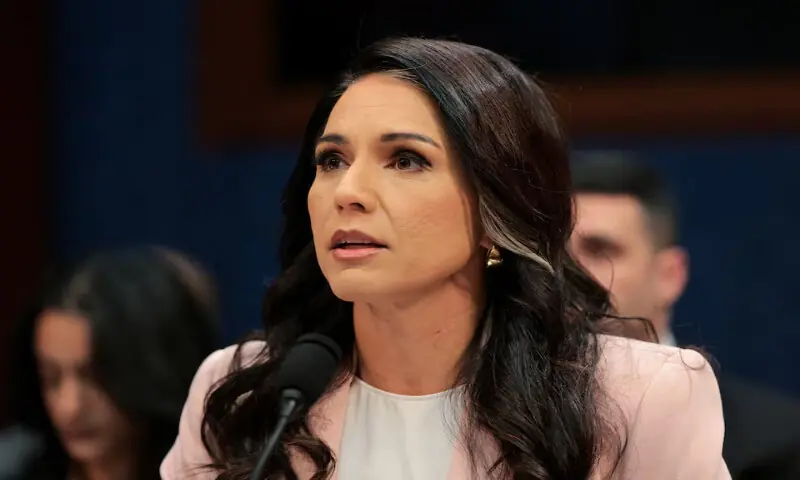

Tulsi Gabbard has announced her resignation as the Director of National Intelligence under President Donald Trump. The decision comes after her husband was diagnosed with a rare form of bone cancer. Gabbard said she could no longer continue in the demanding national security role while supporting her family through a difficult medical battle.
The resignation will officially take effect on June 30. Reports suggest Gabbard informed President Trump during a private meeting in the Oval Office on Friday. Soon after, news of her departure became public through multiple media reports and social media statements.
Family Emergency Forces Sudden Exit
In a resignation letter shared publicly on X, Gabbard expressed gratitude to President Trump for trusting her with one of the most sensitive intelligence positions in the country. She said serving as director of national intelligence had been an honor during the last one and a half years.
However, she explained that her husband’s health condition changed everything. According to Gabbard, she could not continue balancing national intelligence responsibilities while also standing beside her husband during cancer treatment.
She stated that family must come first during moments of crisis. Her emotional message quickly gained attention across political and media circles in the United States.
The Office of the Director of National Intelligence oversees coordination between major American intelligence agencies. The role demands constant briefings, national security oversight, and direct communication with the president. Gabbard’s exit creates a major leadership transition at a critical time for US foreign policy and security operations.
White House Faces Questions Over Internal Tensions
While Gabbard described the resignation as a personal decision, sources familiar with the situation claimed she may have faced pressure from within the White House. One source alleged that she had effectively been pushed out of the administration.
The White House has not officially confirmed those claims. Still, political analysts believe disagreements over foreign policy may have contributed to growing tensions between Gabbard and senior administration officials.
President Trump had previously hinted at policy differences with Gabbard regarding Iran. Earlier this year, he publicly stated that Gabbard held a softer position on Tehran’s nuclear ambitions compared to his own hardline approach.
Despite those reported disagreements, Trump praised Gabbard after the resignation announcement. In a post on Truth Social, he called her performance “excellent” and said she made the right decision by focusing on her husband’s health and recovery.
Trump also announced that Principal Deputy Director of National Intelligence Aaron Lukas would temporarily lead the intelligence office as acting director after Gabbard’s departure.
Political Impact and National Security Concerns
Gabbard’s resignation comes during a sensitive period for US intelligence operations. Ongoing international tensions involving Iran, China, and global cybersecurity threats continue to challenge American intelligence agencies.
Her departure may also influence political discussions ahead of future elections. Gabbard has remained a high-profile political figure with influence across both conservative and independent voter groups.
Many observers believe her resignation could reshape internal dynamics within the Trump administration. Others see it as a deeply personal decision driven by family priorities rather than politics alone.
As Washington reacts to the sudden leadership change, attention now shifts toward who could permanently replace Gabbard in one of America’s most powerful intelligence positions.

