
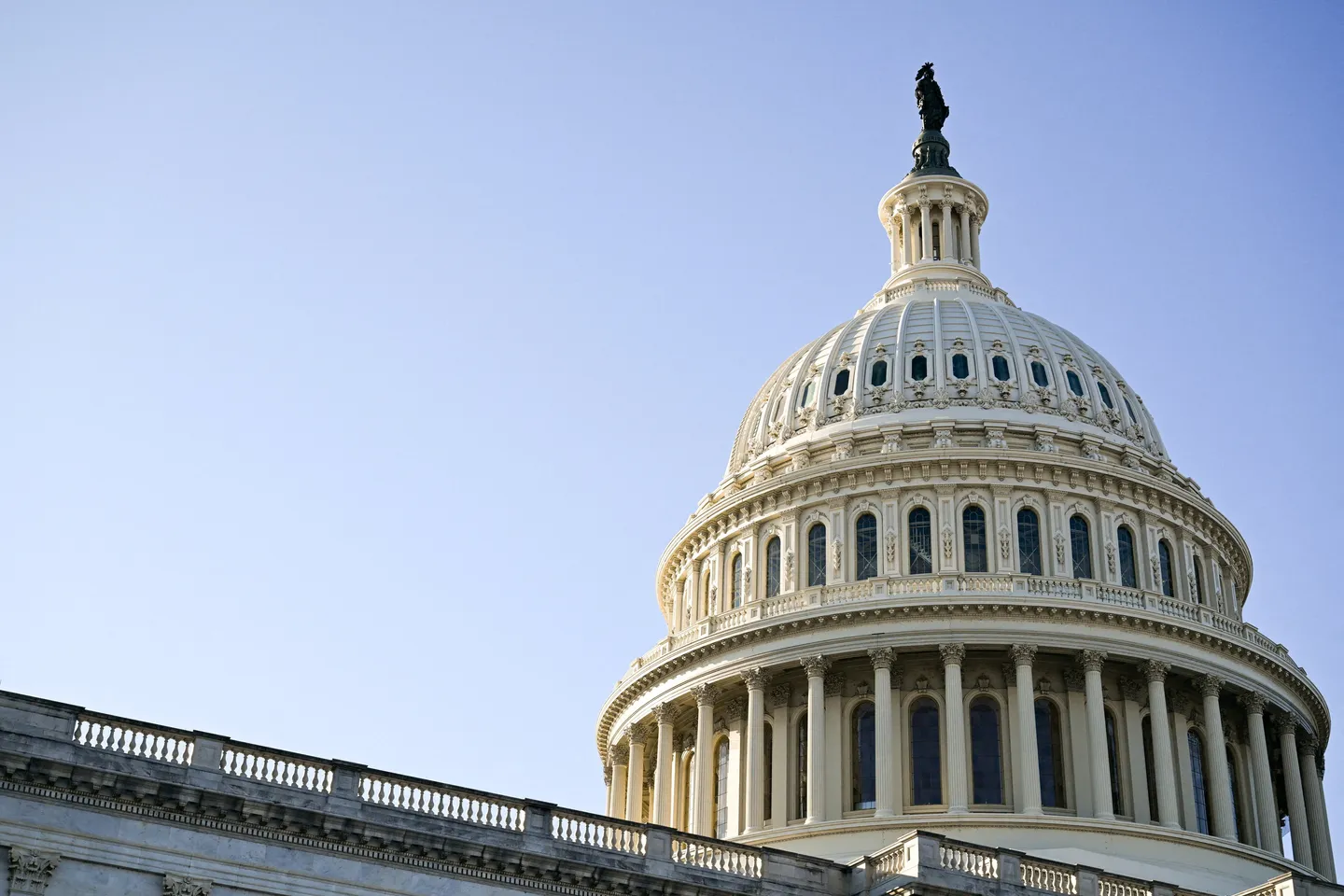

The US House of Representatives has approved a sweeping sanctions package targeting Russia over its ongoing war in Ukraine. The legislation now heads to President Donald Trump, who has indicated that he plans to sign it.
The House passed the measure 262-159 on September 16, following an 86-11 Senate vote in August. The legislation represents a major new US effort to increase economic pressure on Moscow.
New Sanctions Target Russia
The legislation, known as the Lindsey O. Graham Sanctioning Russia and Iran Act of 2026, targets Russian officials, financial institutions, energy interests and companies supporting Moscow’s war effort.
It also includes measures against Russia’s so-called shadow fleet. These vessels have been used to help transport Russian oil while avoiding Western restrictions.
The bill also expands sanctions related to Iran and extends the Iran Sanctions Act through 2031.
Trump Could Impose 100% Tariffs
One of the most significant provisions gives Trump authority to impose tariffs of up to 100% on goods from countries that continue buying Russian oil and gas under specified conditions.
The provision could affect major Russian energy buyers, including China and India. The legislation also allows additional countries to face tariffs if they help Russia evade sanctions.
The bill separately directs tariffs of up to 500% on Russian goods. These measures are intended to increase the economic costs of Russia’s continued war effort.
Democrats Split Over Tariff Powers
The legislation received bipartisan support, although Democrats were divided over the expanded tariff authority given to Trump.
A total of 58 Democrats supported the House measure, while 152 opposed it. Several lawmakers who support Ukraine expressed concerns about giving the president broader control over tariffs.
Republican opposition also came from some lawmakers who raised concerns about sanctions and expanded government intervention in trade.
Bill Named After Lindsey Graham
The legislation was championed by Republican Senator Lindsey Graham, who died suddenly in July. The bill was later renamed in his honour after he spent more than a year pushing for tougher measures against Russia.
The Senate approved the package 86-11 on August 7 after months of negotiations. Graham had reached an agreement with the White House shortly before his death, helping revive the stalled legislation.
What Happens Next?
The bill now goes to Trump for his signature. His administration has previously sought to retain control over sanctions and tariff policy, contributing to delays in moving the legislation through Congress.
Ukrainian President Volodymyr Zelenskyy had supported congressional action on the sanctions package. Supporters of the measure say stronger economic pressure could increase incentives for Moscow to negotiate an end to the war.
With Congress having cleared the legislation, attention now turns to whether Trump signs the bill and how his administration uses the new sanctions and tariff authorities.
For the latest updates, visit and follow The Truth International website (www.thetruthinternational.com) and subscribe to the YouTube Channel.

