
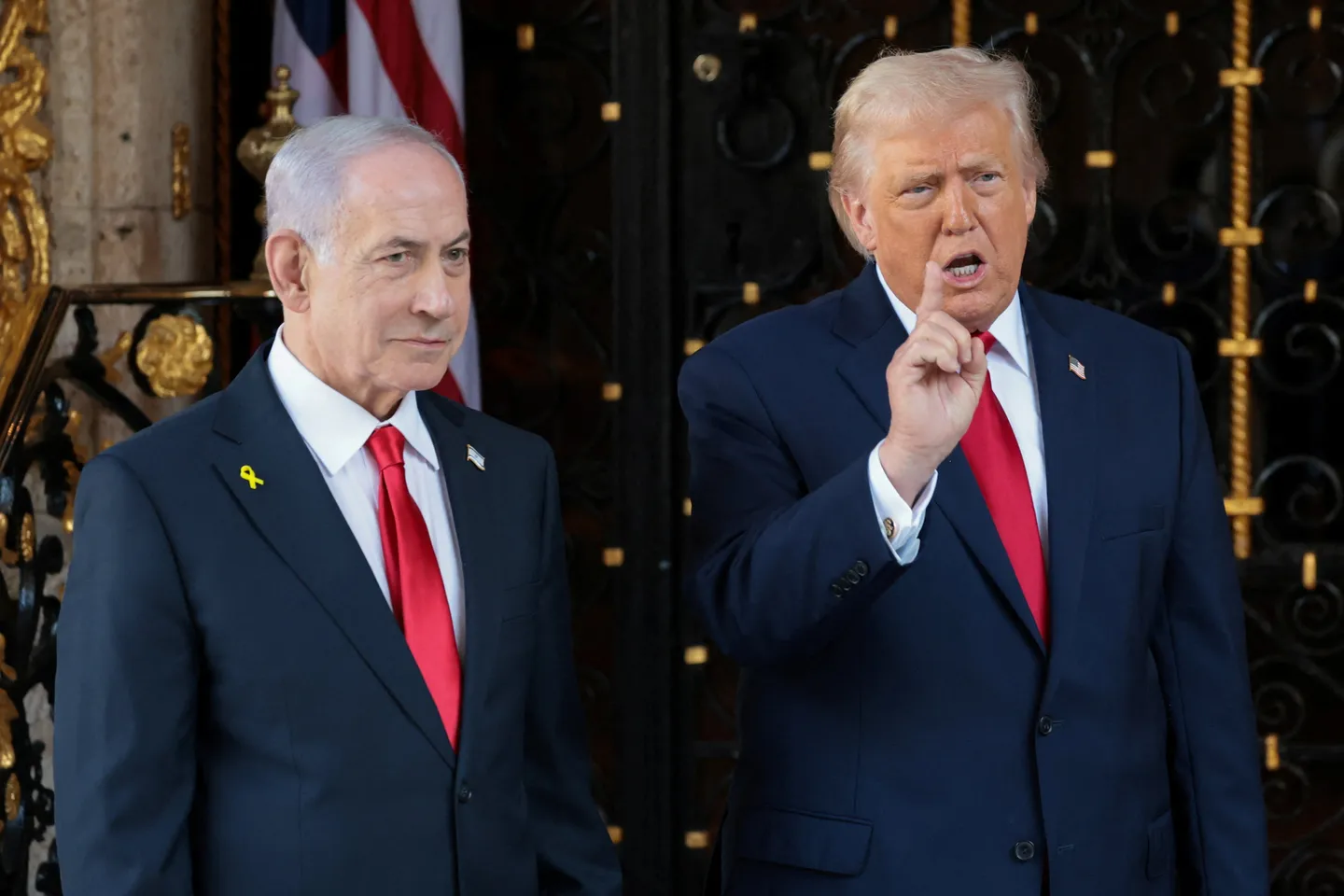

A public disagreement has exposed growing strains between US President Donald Trump and Israeli Prime Minister Benjamin Netanyahu. According to a detailed report published on Thursday, Trump was deeply angered by Netanyahu’s public comments.
The Israeli leader had openly criticized a proposed US sale of F-35 fighter jets to Türkiye.
Two White House officials revealed that Trump was “pissed off” by the public pushback. Netanyahu voiced his strong opposition during a television interview. This interview aired shortly before Trump traveled to Ankara for a crucial NATO summit.
A Dispute Over Air Defense and Alliances
According to one official, the US president believed Netanyahu had “no right” to publicly intervene in the proposed arms deal. Another source noted that these remarks seriously aggravated existing tensions between the two leaders.
The friction comes as Washington signals a desire to restore defense ties with its NATO ally, Türkiye. This potential shift includes lifting sanctions that were previously imposed over Ankara’s purchase of a Russian air defense system. Additionally, the White House is reopening discussions about the advanced F-35 fighter jets.
However, Israeli officials have publicly opposed any such sale. They argue that providing these jets to Türkiye could threaten the regional military balance.
Unconfirmed Meetings and Cancelled Plans
Meanwhile, reports indicate a growing communication gap between the two administrations. Although local media suggested a meeting would take place, no official discussion has been scheduled.
Netanyahu had reportedly sought a meeting with Trump for over two weeks. However, US officials stated that nothing was ever confirmed. Regarding the situation, one White House official noted:
“Our impression was that Bibi was trying to will a meeting into existence,”
Later, Netanyahu’s office announced the cancellation of his planned US trip. The decision followed the postponement of a funeral service for a late US senator.
Widening Strategic Differences
This disagreement highlights broader policy divisions between Washington and Israel. Specifically, the two allies hold differing views on Iran policy.
Furthermore, the US administration continues to pursue diplomatic efforts with Tehran. Recently, US Vice President JD Vance suggested that certain Israeli officials were actively trying to undermine these delicate peace talks.
As both sides navigate these complex geopolitical shifts, the future of their strategic relationship remains highly uncertain.

