
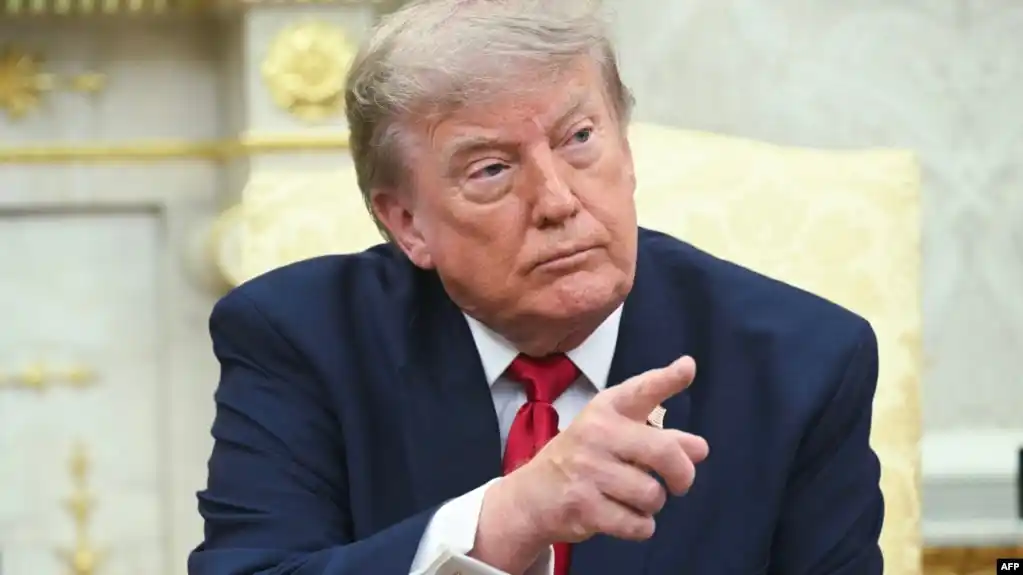

US President Donald Trump signed two executive orders on Thursday in a renewed effort to restrict birthright citizenship, despite the Supreme Court of the United States previously rejecting a broader version of the policy.
The new orders focus on narrower categories than Trump’s earlier directive. Moreover, the administration says the measures target what it describes as “birth tourism,” where pregnant foreign nationals travel to the United States to give birth.
White House adviser Stephen Miller announced that the orders prohibit the practice of birth tourism. Consequently, the administration argues the directives reinterpret existing constitutional exceptions rather than broadly limiting citizenship.
The executive orders also seek to restrict automatic citizenship for children born to foreign government employees in the United States and those classified as alien enemies. Additionally, they could affect people born in US territories if Congress passes related legislation.
The move follows the Supreme Court’s June 30 decision declaring Trump’s previous executive order unconstitutional. Therefore, the administration maintains the latest directives fall outside the scope of that ruling.
However, legal experts expect immediate court challenges. Civil rights groups argue the orders attempt to bypass the Supreme Court’s decision and violate constitutional protections under the Fourteenth Amendment.
The American Civil Liberties Union said the measures are unlikely to survive judicial scrutiny. Meanwhile, advocacy groups warned the policy could negatively affect pregnant women seeking lawful entry into the United States.
Speaking at the White House, Trump criticized the Supreme Court’s ruling as “very unfortunate.” He argued that businesses had developed around birth tourism and pledged to prevent the practice.
The Fourteenth Amendment has long guaranteed citizenship to most children born in the United States, with limited exceptions, including children of foreign diplomats and members of an occupying enemy force.

