
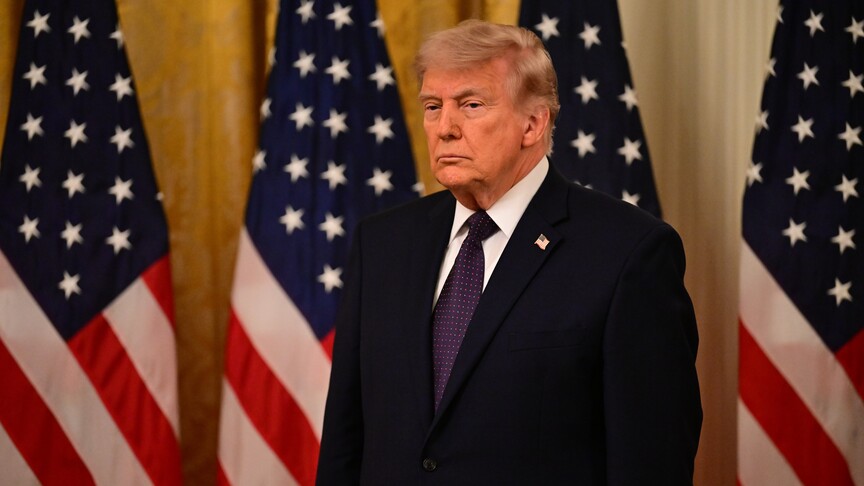

US President Donald Trump said any final agreement allowing Iran to charge shipping transit fees would remain unacceptable. He made the remarks during a meeting with NATO Secretary General Mark Rutte at the White House. Furthermore, Trump warned such charges could reshape global maritime trade rules.
Trump Warns Against Maritime Transit Charges
Trump responded after reporters questioned possible shipping provisions in a future agreement with Iran. He firmly rejected any proposal involving transit fees through the Strait of Hormuz.
Moreover, he argued that accepting such payments would establish a dangerous international precedent. Trump said similar demands could quickly emerge from other countries controlling strategic waterways.
Consequently, he described the proposal as a “game changer” that Washington would never support. He stressed the United States would oppose comparable fees in any other region. Therefore, he maintained that freedom of maritime navigation must remain protected.
US-Iran Talks Continue Under New Memorandum
Last week, Trump and Iranian President Masoud Pezeshkian electronically signed a memorandum to advance diplomatic negotiations. The agreement aims to create a framework for ending hostilities involving Washington, Tel Aviv, and Tehran.
Additionally, both sides committed to pursuing a broader political settlement through dialogue. Under the memorandum, US and Iranian negotiators will hold discussions for 60 days.
However, both governments may extend negotiations if additional time becomes necessary. The talks will primarily address Iran’s nuclear programme and international sanctions.
Meanwhile, both sides hope the negotiations will reduce regional tensions and improve long-term stability. Trump also expressed confidence about the diplomatic process with Tehran. He said negotiations were progressing well and described ongoing discussions as encouraging.
Nevertheless, significant differences remain before both countries can reach a comprehensive final agreement. Observers will continue monitoring developments as negotiations move into the next phase.

