
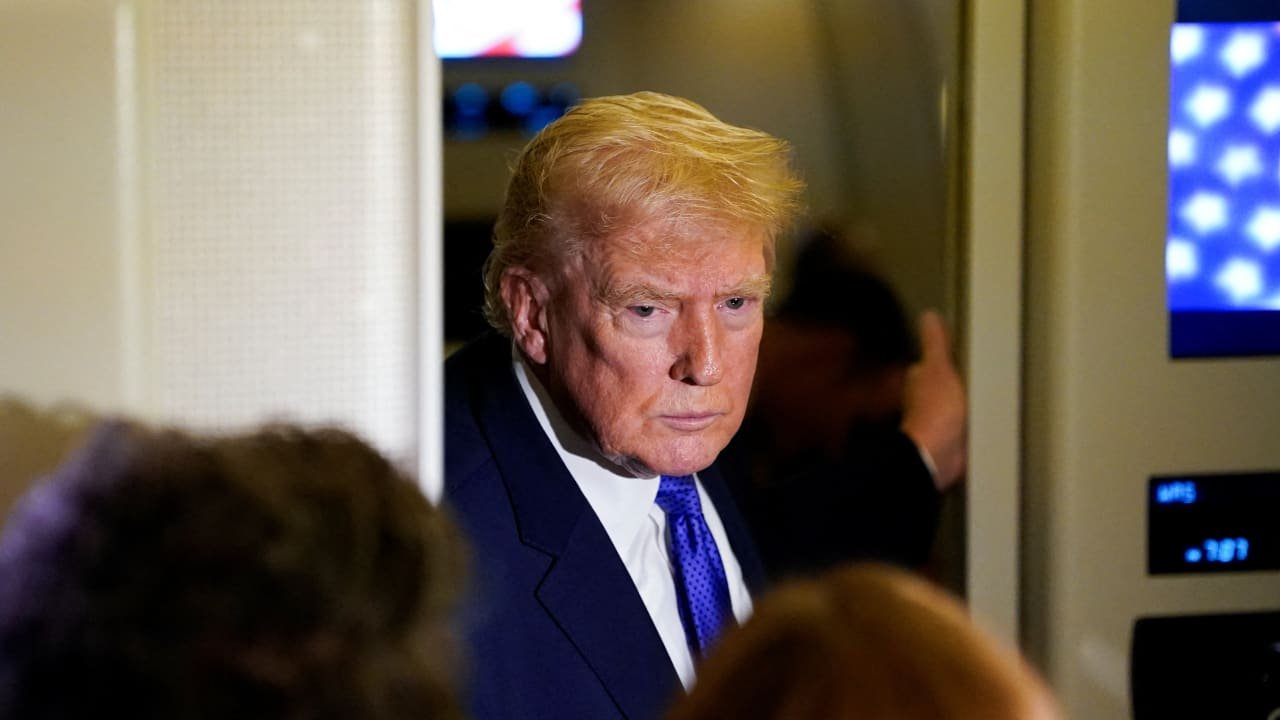

Efforts to secure a peace agreement between the United States and Iran remain uncertain as President Donald Trump continues to insist on strict conditions before approving any deal. Despite weeks of negotiations and growing international attention, both sides appear divided on key issues, leaving the prospect of a final agreement unclear.
The White House signaled that discussions are ongoing, but no breakthrough has been achieved. Iranian officials also confirmed that communication channels remain open. However, they stressed that a final agreement has not yet been reached.
The latest developments come after Trump held a lengthy meeting with senior advisers at the White House to review a proposed framework aimed at ending the conflict and reducing tensions across the Middle East.
Trump Stands Firm on Nuclear Demands and Strategic Conditions
Following a two-hour meeting in the White House Situation Room, Trump stopped short of approving the proposed agreement. A senior White House official later stated that any deal must fully satisfy the president’s conditions and national security requirements.
According to US officials, one of Trump’s most important demands is a permanent guarantee that Iran will never possess nuclear weapons. The administration has repeatedly described this condition as non-negotiable.
Trump also outlined several possible components of the agreement. These included reopening the Strait of Hormuz for unrestricted maritime traffic, removing obstacles to commercial shipping, and coordinating efforts related to Iran’s enriched uranium stockpiles.
The president indicated that economic restrictions on Iranian ports could be eased as part of a broader understanding. However, many details remain disputed and have not been officially confirmed by both parties.
The uncertainty surrounding these proposals has fueled speculation about the true status of negotiations and whether a final agreement is close.
Iran Rejects Key Claims and Calls for Respectful Negotiations
Iranian officials responded cautiously to Trump’s statements. Tehran rejected suggestions that it would accept demands imposed from outside and emphasized that negotiations must be based on mutual respect.
Foreign Ministry spokesman Esmaeil Baqaei stated that exchanges of messages between the two countries are continuing. However, he made it clear that no final agreement currently exists.
Iranian state media also challenged several elements of Trump’s description of the proposed deal. Reports suggested that some claims did not accurately reflect ongoing discussions and that major issues remain unresolved.
Sources cited by Iranian media claimed that Tehran is seeking access to frozen financial assets before moving forward with additional commitments. They also disputed reports regarding the handling of Iran’s nuclear materials and conditions related to shipping routes.
Iranian President Masoud Pezeshkian expressed support for a diplomatic solution. During discussions with regional leaders, he stated that Iran remains ready to pursue a framework that protects national interests while contributing to stability.
Regional Tensions Continue to Complicate Diplomacy
The uncertainty surrounding negotiations comes as military and political tensions continue across the region. Recent accusations of ceasefire violations have increased mistrust between Washington and Tehran.
The Strait of Hormuz remains a major focus for global markets. The strategic waterway is critical for international energy supplies and commercial shipping. Any disruption in the area has immediate consequences for oil prices and investor confidence.
Market volatility has reflected the uncertain outlook. Energy prices have fluctuated throughout the week as traders assessed the likelihood of a successful agreement.
Meanwhile, fighting has continued on the Lebanon front. Israeli and Hezbollah forces have exchanged attacks, while diplomatic efforts seek to prevent further escalation. Military operations and security concerns have added another layer of complexity to regional peace efforts.
As negotiations continue, both Washington and Tehran appear determined to defend their positions. While communication remains active, significant differences must still be resolved before any lasting agreement can be achieved. The coming days could prove critical in determining whether diplomacy succeeds or the standoff continues.

