

Military Campaign Halted After Nearly Two Weeks
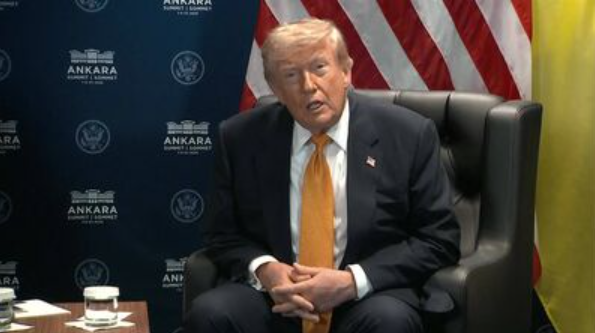
US President Donald Trump has ordered a temporary pause in new military strikes against Iran.
The decision ended nearly two weeks of daily American attacks on Iranian targets.
Trump reportedly declined to approve another planned round of strikes on Friday.
He had authorised military operations on each of the previous 13 days.
The pause does not represent a formal ceasefire.
It also remains unclear how long the suspension will continue.
The US military remains prepared to resume operations if diplomatic efforts fail or regional tensions escalate.
The decision reportedly surprised Israeli officials.
They had expected further American strikes and were preparing for possible Iranian retaliation.
Trump appears to believe that the current campaign has reached its practical limits without expanding into a wider regional war.
Concerns over military resources, energy markets and regional instability may also have influenced the decision.
Trump Keeps Military Option Open
Trump said negotiations with Iranian officials were continuing.
He claimed Tehran was becoming more serious about reaching an agreement.
However, the president warned that the United States remained ready to resume or expand military action.
He said Washington was fully prepared while continuing to pursue negotiations.
Trump also suggested the United States still had the ability to destroy additional Iranian military and strategic infrastructure.
Despite those warnings, he described diplomacy as the smarter course.
The president later said he did not believe Iran was fully prepared to accept an agreement.
However, he added that he remained willing to listen to any serious proposal.
The mixed message showed that Washington was pursuing negotiations while maintaining military pressure.
The pause followed days of debate inside the Trump administration over whether to escalate the campaign.
Some officials supported broader attacks against Iran.
Others warned that further action could trigger a larger regional conflict and increase pressure on American military resources.
The administration has not announced any withdrawal of forces from the region.
US naval and air assets remain positioned for possible future operations.
Oman Leads Talks Over Strait of Hormuz
The decision came as an Omani diplomatic delegation arrived in Tehran.
The delegation is holding talks with Iranian officials over navigation through the Strait of Hormuz.
The waterway is one of the world’s most important routes for oil and gas shipments.
Recent fighting and restrictions have disrupted commercial traffic and increased global energy prices.
Oman has maintained communication with both Washington and Tehran during the crisis.
The latest negotiations are focused on developing a new arrangement for managing shipping through the strait.
Regional sources said progress had been made during the discussions.
An agreement between Oman and Iran could be reached if remaining differences are resolved.
Trump is expected to review any proposed arrangement before deciding whether the United States will accept it.
A successful deal could support the reopening of shipping lanes and create conditions for a wider reduction in hostilities.
However, fighting elsewhere in the region continues to threaten diplomatic progress.
The US pause therefore remains fragile and could end if negotiations collapse or Iran launches new attacks.

