
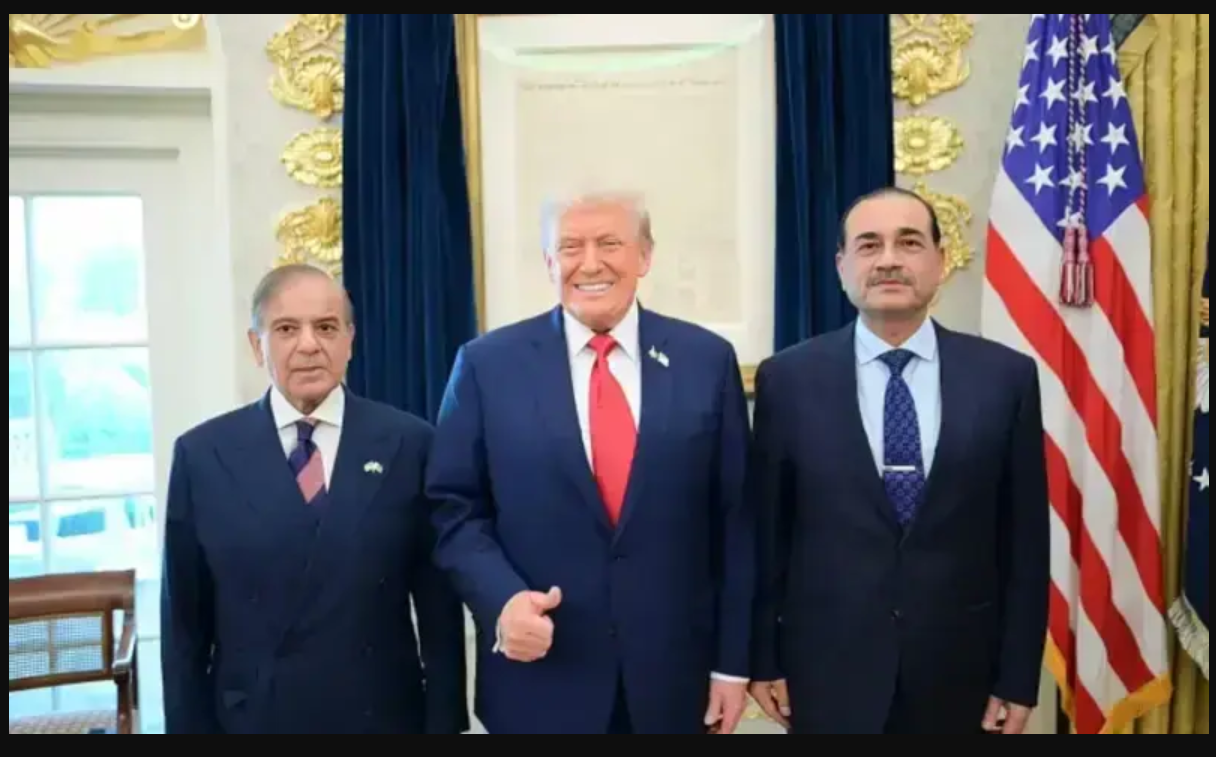

US President Donald Trump has thanked Prime Minister Shehbaz Sharif and Field Marshal Syed Asim Munir after Iran announced the reopening of the Strait of Hormuz during the ongoing ceasefire, and he described the development as “a great day for the world” while crediting Pakistan for its diplomatic role in facilitating communication between Washington and Tehran.
He referred to PM Shehbaz Sharif and Field Marshal Asim Munir as “two fantastic people” and expressed gratitude for their efforts in supporting regional stability and dialogue between the two sides.
Strait of Hormuz Reopened for Commercial Shipping
The statement came shortly after Iranian Foreign Minister Abbas Araghchi confirmed that the Strait of Hormuz would remain open for commercial shipping during the remaining ceasefire period, and the decision has allowed limited restoration of maritime movement through one of the world’s most critical energy routes.
However, uncertainty still remains over the long-term status of shipping security in the region as tensions continue to influence strategic waterways.
US Maintains Restrictions Despite Partial De-escalation
Trump confirmed that while the Strait of Hormuz is now open for commercial vessels, the US naval blockade against Iran will remain in place and will continue to apply specifically to Iranian maritime activity until a “100% ” agreement is reached between Washington and Tehran, and he stressed that restrictions will only be lifted once a final deal is achieved.
This position reflects ongoing pressure despite partial diplomatic progress in the region.
Pakistan’s Continued Mediation Efforts
Pakistan has played an active role in mediating between the United States and Iran during the ongoing crisis, and officials facilitated early diplomatic engagement that led to indirect talks between the two sides in Islamabad, while subsequent rounds of discussions have continued through regional diplomatic channels.
Field Marshal Asim Munir recently visited Tehran for high-level meetings, and following these engagements, Iran announced the temporary reopening of the Strait of Hormuz as part of ceasefire arrangements.
Pakistan has since continued efforts to extend the ceasefire and promote further negotiations between the two sides.
Trump Thanks Gulf Countries for Support
In another statement, Trump also expressed appreciation for Gulf nations including Saudi Arabia, the United Arab Emirates, and Qatar, and he praised their “great bravery and help” during the period of heightened regional tensions while acknowledging their diplomatic and strategic support.
Background of the Conflict and Ceasefire
The developments come after a 40-day conflict triggered by strikes on Iran on February 28, which led to escalating regional instability and disruptions in key maritime routes, including the temporary closure of the Strait of Hormuz by Tehran during the height of tensions.
Following international diplomatic pressure and mediation efforts, a ceasefire was reached, and Pakistan played a key role in facilitating early-stage talks that contributed to de-escalation.
Ongoing Negotiations and Future Outlook
A temporary truce was agreed on April 8, and although the situation has improved, negotiations remain ongoing as the ceasefire nears expiration, and Pakistan continues to push for an extension of peace talks to prevent renewed escalation.
Trump has expressed optimism that a final agreement may soon be reached, stating that most issues between Washington and Tehran have already been addressed and that a comprehensive deal could be concluded soon if progress continues.

