
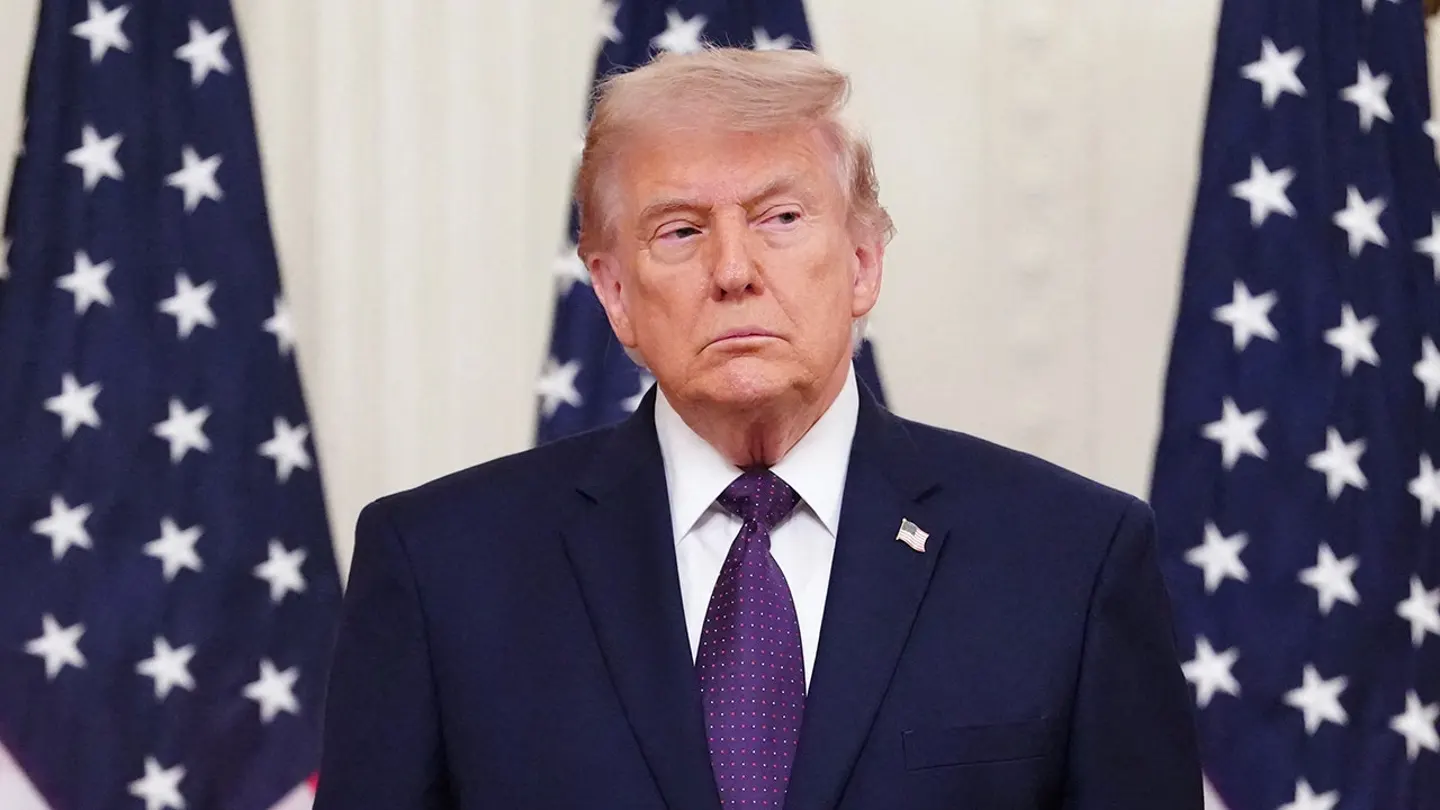

US President Donald Trump has expressed confidence that the ongoing crisis in the Strait of Hormuz will be resolved soon, predicting that global oil prices could fall sharply once stability returns to the strategically important waterway.
At the same time, Lebanon’s President Joseph Aoun delivered a firm message to Iran and Hezbollah, calling for diplomacy and negotiations to end the escalating conflict with Israel. His remarks highlighted growing concerns over regional instability and the impact of continued hostilities across the Middle East.
Trump Expects Strait of Hormuz Crisis to End Soon
Speaking to reporters, Trump said his administration had successfully facilitated the movement of numerous oil tankers through the Strait of Hormuz despite ongoing disruptions.
When asked how many tankers had passed through the critical shipping route, Trump replied, “A lot. I don’t want say how many, but a lot.”
The president indicated that efforts to stabilize the situation were progressing well. According to Trump, the current tensions should not continue for an extended period.
“It shouldn’t take long,” Trump said. “One way or the other, it’s going to get done. And when it’s all straightened out, you’re going to have oil prices drop down to maybe even lower than they were.”
His comments come as rising fuel prices continue to attract political attention in the United States ahead of upcoming elections. Consequently, developments in the Strait of Hormuz remain closely watched by both policymakers and global energy markets.
Trump Claims Progress in Iran Policy
Trump also discussed relations with Iran, although he did not disclose any new details regarding ongoing diplomatic efforts.
Instead, he repeated Washington’s long-standing position concerning Iran’s nuclear activities.
“We’re having great success,” Trump said. “They’re not going to have a nuclear weapon. They’re in no position to have a nuclear weapon.”
Iran has consistently rejected allegations that it seeks to develop nuclear weapons. However, tensions between Tehran and Washington continue to shape regional security dynamics.
Lebanese President Criticizes Iranian Influence
Meanwhile, Lebanese President Joseph Aoun delivered unusually direct criticism of Iran’s role in Lebanon.
Addressing Iran’s Revolutionary Guards, Aoun stressed that Lebanon’s affairs should remain under Lebanese control.
“It’s not your country, it’s our country… It’s not your job to interfere into our country,” he said.
His remarks reflected growing frustration within Lebanon over external influence in domestic and regional affairs.
Aoun also accused Tehran of using Lebanon to strengthen its position during negotiations with the United States.
“They are using Lebanon as a bargaining chip in their negotiation with the United States. It’s unacceptable,” Aoun said.
Hezbollah Urged to Choose Diplomacy
The Lebanese president called on Hezbollah to pursue dialogue instead of continued military confrontation.
The conflict intensified after Hezbollah launched rockets into Israel on March 2, stating the attack was retaliation for the killing of Iran’s supreme leader during joint US-Israeli strikes days earlier. Israel subsequently responded with extensive air operations and a ground offensive inside Lebanon.
Against this backdrop, Aoun emphasized that negotiations offer the only realistic path toward peace.
“Hezbollah must understand that (there is) no other way but to sit and talk, no other way to solve this problem and to save what’s left except through negotiation and diplomacy,” he said.
He also stressed that national interests must take precedence over individual political agendas.
“It’s the Lebanese people, they are not Naim Qassem(‘s) people,” he said, adding: “The majority of the Lebanese people are fed up with war”.
Ceasefire Understanding Faces Uncertainty
Aoun’s comments followed a ceasefire understanding reached between Lebanese and Israeli representatives in Washington.
The arrangement depends on a “complete cessation” of Hezbollah attacks. However, the agreement does not explicitly require Israel to halt military operations.
As a result, uncertainty continues to surround the deal’s long-term viability. Previous ceasefire arrangements have struggled to hold, while tensions remain high on both sides.
Iran has continued linking developments in Lebanon to broader regional conflicts. Additionally, senior figures within Iran’s Revolutionary Guards have called for Israeli forces to withdraw from frontline positions inside Lebanon.
Aoun Calls for Lasting Peace
Despite the challenges, Aoun said there remains an opportunity to move beyond decades of hostility.
“There is a great opportunity to end the state of hostility between Lebanon and Israel,” he stated.
However, he argued that questions surrounding Hezbollah’s weapons should be handled through Lebanese state institutions.
“It’s the job of the state… but, on one condition — that we remove the root causes of the existence of its weapons,” he said, citing an Israeli withdrawal and an end to hostilities.
Direct Message to Israel
Aoun also addressed Israeli leaders directly, urging them to demonstrate commitment to ending the conflict.
“You need to show some willingness and commitment to end this war… We are willing, we are committed. Are you?”
Furthermore, he argued that military action alone cannot achieve lasting political objectives.
“Israel can flatten the whole country, but they will never be able to achieve their objective,” Aoun said, adding, “They’ve tried it in Gaza. Hamas still exists.”
Regional Tensions Remain High
The latest statements from Washington and Beirut underscore the complex challenges facing the Middle East. While Trump remains optimistic about resolving the Strait of Hormuz crisis and lowering oil prices, Lebanon is pushing for diplomacy as a way to prevent further destruction.
As regional powers continue to pursue competing interests, the success of ceasefire efforts and diplomatic initiatives could play a crucial role in determining the future stability of the region.

