

Fresh US Strikes Escalate Middle East Conflict
The United States launched a fresh wave of military strikes against Iran, marking a major escalation in renewed hostilities between the two countries. The attacks came as President Donald Trump warned that further strikes would follow, while also claiming that a diplomatic agreement with Tehran remained possible.
Oil prices increased by more than nine percent following reports of the renewed military campaign. Traders fear that the conflict could disrupt energy supplies, commercial shipping and access to the Strait of Hormuz, one of the world’s most important oil transportation routes.
The White House confirmed that Trump formally notified Congress last week that the United States had resumed military operations against Iran. Under US law, the notification allows the Pentagon to continue military operations for up to 60 days without additional congressional approval.
Trump said American forces would hit Iranian targets with significant force. He warned that strikes would continue over the coming days and told Iran to prepare for further military action.
The US president also threatened to destroy Pickaxe Mountain, a deeply buried site near Natanz. Western intelligence agencies suspect that Iran may be developing an undeclared uranium enrichment facility at the location. Tehran has not publicly confirmed those allegations.
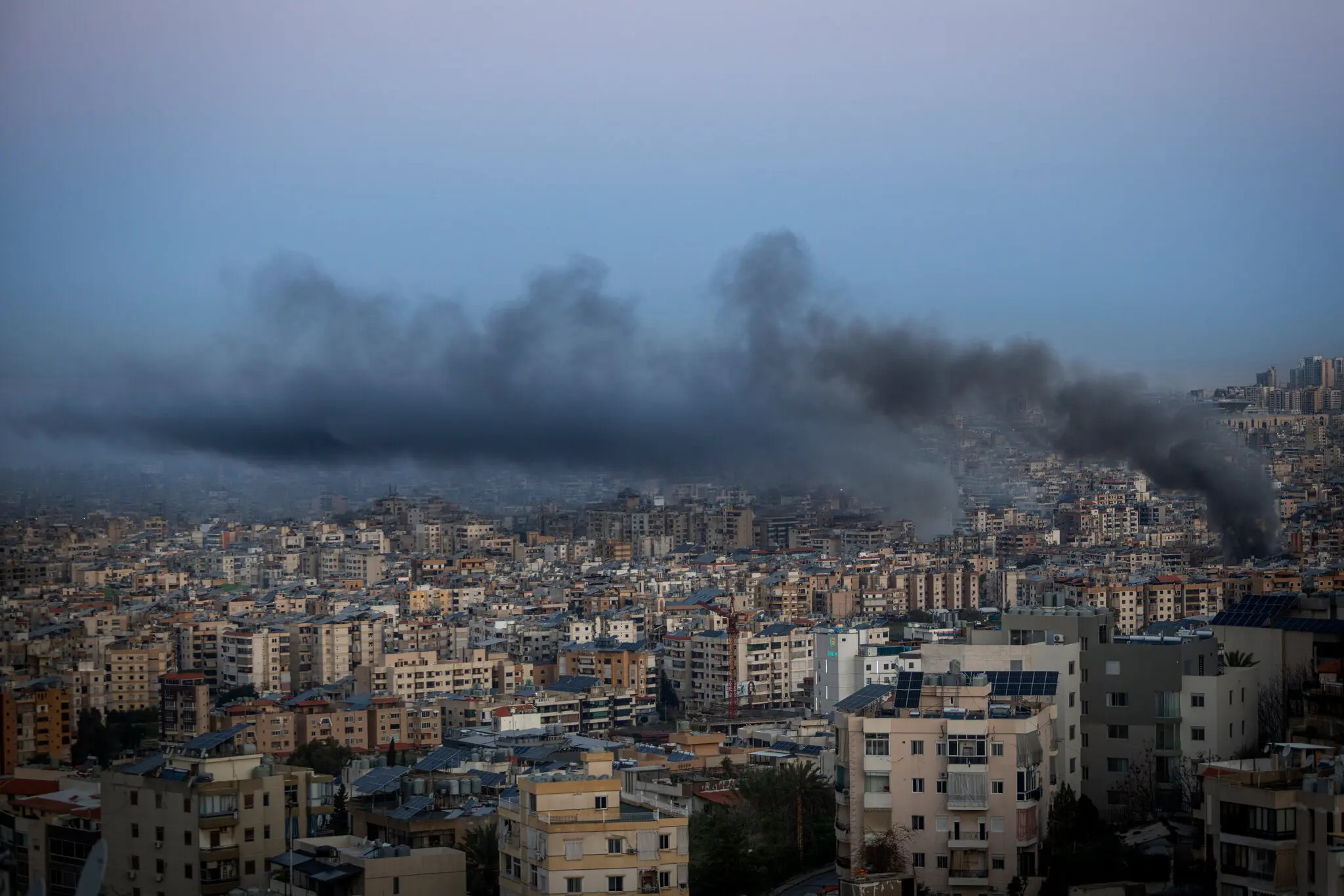
Iranian state media reported explosions and casualties following the latest American strikes. At least four explosions were heard east of Bandar Abbas, a major port city located along the Strait of Hormuz.
Iranian announcements indicate that at least 25 people have been killed since hostilities resumed. Large areas across southern and western Iran were reportedly targeted during the latest US military operation.
US Announces Iranian Port Blockade and Hormuz Shipping Fee
US Central Command announced that a blockade of Iranian ports would be reimposed from Wednesday morning. The decision was issued under Trump’s orders and is expected to place additional pressure on Iran’s trade, energy exports and maritime operations.
Trump also declared that the United States would become the “Guardian of the Hormuz Strait.” He said Washington would impose a 20 percent fee on cargo passing through the strategic waterway.
The president said Iranian ports would remain blockaded, while other countries would receive fair and open access to the strait. The proposed fee could affect international shipping companies and countries that depend heavily on energy supplies transported through the region.
Iranian Foreign Minister Abbas Araghchi mocked the proposed charge. He said countries responsible for protecting shipping routes could seek compensation, but argued that a 20 percent fee was excessive. He suggested that Iran could offer a lower rate.
Washington has strongly opposed previous Iranian attempts to charge shipping fees in the Strait of Hormuz. International maritime rules generally protect freedom of navigation through major international waterways.
Regional tensions increased after the United Arab Emirates accused Iran of attacking two national tankers in the strait. Emirati authorities said the Mombasa and Al Bahiyah tankers were struck by two Iranian cruise missiles while travelling through Omani territorial waters.
The UAE said one crew member was killed and eight others were wounded in the attack. The country is a major US ally and has reported several Iranian missile and drone attacks during the conflict.
Iran’s Revolutionary Guards also claimed responsibility for strikes against targets in Bahrain, Jordan, Kuwait and Oman. Iranian officials said the attacks were directed at American military interests and regional bases supporting US operations.
Trump Says Iran Agreement Remains Possible
Despite the expanding military campaign, Trump said a diplomatic agreement with Iran was still possible. Speaking at the White House, he claimed that Washington and Tehran had been close to reaching an agreement before Iranian officials requested additional negotiations.
Iranian Foreign Ministry spokesman Esmaeil Baqaei said the June memorandum that supported earlier negotiations was now in crisis. The agreement had provided a basis for diplomatic talks and had previously led to the removal of an American blockade.
Baqaei warned that Iran would stop following its commitments if Washington failed to respect the agreement. However, he said Tehran remained in contact with mediators from Qatar, Pakistan and Oman in an effort to prevent further escalation.
Analyst Bader Al-Saif said both sides wanted to end the conflict on their own terms. He warned that the growing scale of military attacks would make a lasting diplomatic agreement more difficult.
Iran’s Revolutionary Guards said they had targeted US military bases and interests in Jordan, Bahrain and Kuwait. Tehran maintains that its operations are limited to American interests in the Gulf region.
However, Iran’s military command warned Gulf countries against supporting US military operations. It said any direct cooperation with Washington would be considered an act of war.
The latest attacks have increased fears that the US-Iran conflict could expand across the Middle East. Continued military operations could disrupt oil markets, international shipping and regional security.

