

India Confirms Deaths After Gulf of Oman Attack
All three Indian seafarers who went missing after a US military strike on a tanker in the Gulf of Oman have died, Indian Shipping Minister Sarbananda Sonowal said on Thursday.
The incident has raised serious concern in India and added fresh tension to an already unstable maritime security situation near the Strait of Hormuz.
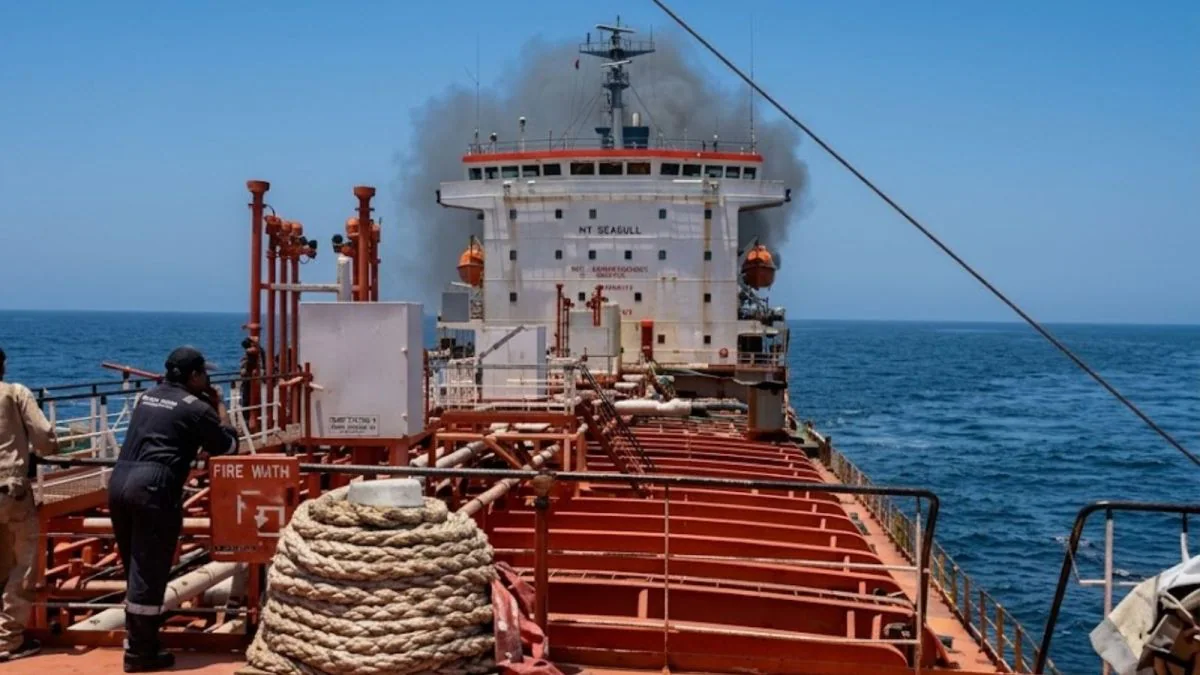
According to reports, the United States said its military carried out a precision strike on the vessel after it allegedly failed to follow instructions. US officials said the tanker was carrying oil from Iran.
The tanker was operating off the coast of Oman when it came under attack. The vessel had Indian crew members on board at the time of the strike.
Earlier reports said several Indian crew members were rescued, while three remained missing. Indian authorities have now confirmed that the missing seafarers have died.
The deaths have turned the incident into a major diplomatic and maritime safety issue.
New Delhi Lodges Strong Protest With US
Indian sources told Reuters that New Delhi summoned the US deputy chief of mission after lodging a strong protest over the strike.
India expressed concern over the loss of civilian lives and the safety of seafarers working in high-risk waters.
The incident comes at a time when the Gulf of Oman and nearby Strait of Hormuz remain under intense pressure due to the wider regional conflict.
The Strait of Hormuz is one of the world’s most important energy routes. Any military action near this corridor can affect shipping, oil supplies and global trade.
Commercial vessels operating in the area have faced growing risks as tensions between the United States and Iran continue to escalate.
Maritime Security Risks Grow in Gulf Waters
The deaths of the three Indian seafarers have renewed debate over the safety of civilian crew members during military operations at sea.
Shipping companies depend on international waters for trade, fuel transport and supply chains. However, conflicts near key maritime routes can place ordinary workers in direct danger.
India is expected to seek more clarity from the United States about the circumstances of the strike.
The case may also increase calls for stronger protection protocols for commercial ships operating near conflict zones.
For India, the loss of three seafarers is both a human tragedy and a diplomatic challenge. Thousands of Indian sailors work on global vessels, including tankers moving through risky routes.
The latest development shows how military escalation in the Gulf can quickly affect civilians, shipping crews and countries beyond the immediate conflict.
As investigations continue, attention will remain focused on accountability, maritime safety and the future movement of commercial vessels near Oman and the Strait of Hormuz.

