

World leaders and senior officials join multi-day funeral commemorations
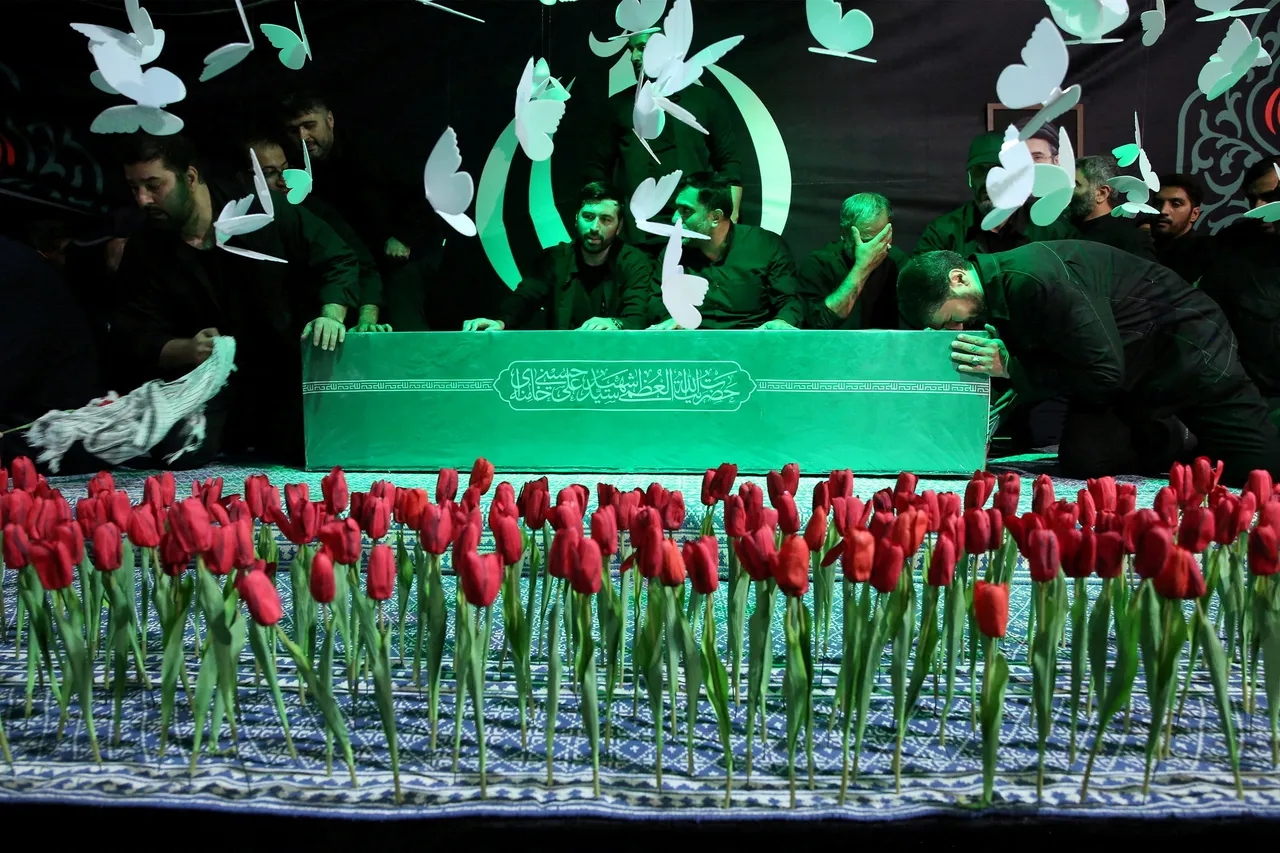
Thousands of mourners gathered in Tehran on Friday as Iran began official farewell ceremonies for former Supreme Leader Ayatollah Ali Khamenei, who Iranian authorities say was killed in a joint US-Israeli attack on February 28. His coffin was brought to the capital for the opening ceremony, where international delegations, senior officials and religious leaders joined grieving families to pay their respects.
According to Iranian media, representatives from more than 30 countries, including Russia, China, Pakistan, India, Tajikistan, Georgia and Cuba, are participating in the funeral events. Pakistan confirmed that Prime Minister Shehbaz Sharif will attend the ceremonies in Tehran, while China, Afghanistan and several neighbouring countries have also dispatched official delegations.
Images released by Iranian state media showed Revolutionary Guard commander General Ahmad Vahidi attending preparations for the funeral before taking his place beside Khamenei’s coffin during the ceremony.
Multi-day funeral to conclude with burial in Mashhad
Iran has scheduled several days of commemorations across the country. Farewell ceremonies will continue in Tehran through July 5, followed by the main funeral procession on July 6. The events will then move to the holy city of Qom on July 7 before continuing in Iraq on July 8, with ceremonies planned in Baghdad, Najaf and Karbala.
The final burial ceremony will take place on July 9 at the Imam Ali Reza Shrine in Mashhad, one of Shia Islam’s holiest sites.
Officials expect between 15 and 20 million people to participate, potentially making it the largest state funeral in Iran’s history.
Diplomatic efforts continue alongside mourning
Friday prayer leader Ayatollah Mohammad Saidi described the expected public participation as a demonstration of national unity and support for the Islamic Republic.
Meanwhile, indirect negotiations between Iran and the United States continued in Doha as mediators sought to advance diplomatic efforts following the ceasefire framework reached in June. The agreement, brokered by Pakistan and Qatar, established a roadmap for discussions on regional security, sanctions relief, the future of Iran’s nuclear programme, reconstruction efforts and long-term arrangements concerning the Strait of Hormuz.

