
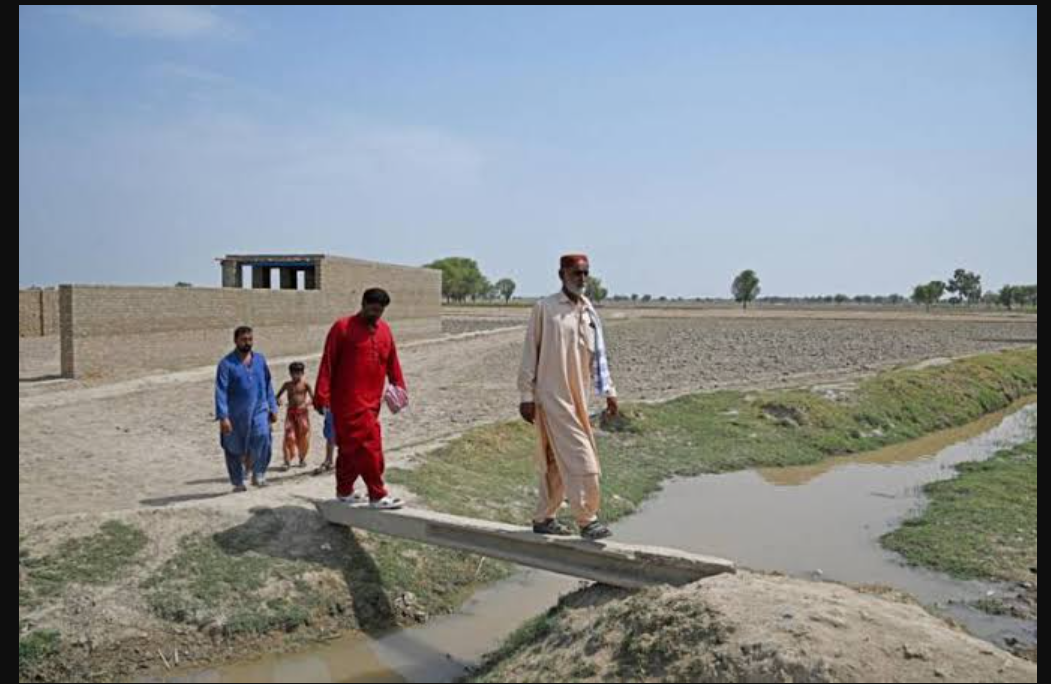

A group of Pakistani farmers is pursuing a landmark climate lawsuit against two major German companies over the devastating 2022 floods. The farmers want energy giant RWE and cement manufacturer Heidelberg Materials to compensate them for losses linked to climate change.
The legal action involves 39 farmers from Sindh who lost crops, livestock and homes during the catastrophic flooding. They argue that greenhouse gas emissions from the two companies contributed to global warming and intensified rainfall.
The lawsuit represents an attempt to hold major industrial polluters financially accountable for climate-related damage. Moreover, it could strengthen international efforts to make corporations share responsibility for the consequences of climate change.
Why Pakistani Farmers Are Suing German Companies
The farmers have targeted RWE and Heidelberg Materials because of their historical greenhouse gas emissions. Their lawsuit does not concern specific industrial operations conducted by these companies in Pakistan.
Instead, the claim focuses on their alleged contributions to global industrial emissions. According to the plaintiffs, RWE contributed 0.68% of global industrial emissions, while Heidelberg Materials contributed 0.12%.
The farmers argue that these emissions contributed to climate change and increased the intensity of extreme rainfall. Consequently, the resulting floods destroyed agricultural land, homes and livestock across affected communities.
Abdul Hafeez Khoso, a 43-year-old farmer from Jacobabad, is among the plaintiffs. He travelled to Germany to pursue the legal case and highlight the connection between industrial pollution and climate damage.
“They’re spreading pollution: up in the sky there are no borders, it can affect anywhere,” he said.
“This is a problem for the whole world — that is why it should be resolved at the global level.”
Khoso recalled the scale of destruction caused by the 2022 floods, describing an experience older generations had never witnessed.
“The year 2022 was an apocalyptic scene — not even our elders had ever witnessed such weather,” he said. “We had nothing left.”
2022 Pakistan Floods Left Farmers Struggling With Losses
Pakistan’s devastating 2022 floods affected approximately one-third of the country. The disaster killed around 1,700 people and affected nearly 30 million residents.
Agricultural communities in Sindh suffered extensive damage as floodwaters submerged farmland and destroyed livelihoods. Even years later, several affected families continue struggling with financial losses and unpaid debts.
Munawar Khatoon, a 43-year-old farmer and landowner from Usman Samtio, also joined the lawsuit. She recalled how floodwaters destroyed her family’s wheat crop shortly before harvest.
The disaster submerged seeds and wiped out the family’s primary source of income. Consequently, she now worries about the financial future of younger generations.
“We worry about how the next generation will manage to live if this continues,” she said.
“Now when the rainy season comes, we feel fear.”
Another plaintiff, 55-year-old Abdul Khalique Laghari from Dadu district, continues facing financial difficulties after the disaster.
He estimates that he lost approximately $14,000 in assets, including his house, 40 acres of crops and livestock.
“To this day, we are unable to repay our debt,” he said.
“When we wake in the morning, we start getting calls from the people we owe money to.”
He also described the continuing consequences of the destruction, saying it had caused serious mental harm.
Climate Lawsuit Builds on Earlier German Court Case
The Pakistani farmers’ legal action builds on an earlier climate lawsuit involving German energy company RWE.
Last year, a German court considered a compensation claim brought by a Peruvian farmer against the company. Although the court rejected his claim, it left open the possibility of holding major emitters liable for climate-related damage.
German lawyer Roda Verheyen, who is involved in both cases, said the Pakistani farmers’ lawsuit builds on that legal development.
However, the new case also introduces allegations of wrongful corporate behaviour.
Verheyen argued that large companies understood the general consequences of climate change decades ago. Therefore, she believes they should have taken stronger measures to reduce their emissions.
“Large companies knew about the general impacts of climate change since the 1960s,” she said.
“They should have exercised due diligence and actually at least tried to reduce emissions, which they didn’t do enough.”
Climate litigation has expanded internationally, although most cases have targeted governments. However, companies such as Shell and cement manufacturer Holcim have also faced lawsuits seeking compensation for climate-related damage.
Lawyers involved in these cases say a ruling requiring companies to pay damages proportionate to their emissions could establish an important legal precedent.
German Companies Reject the Farmers’ Claims
Both RWE and Heidelberg Materials have rejected the allegations against them, describing the claims as unfounded.
Heidelberg Materials said its operations comply with German laws. The company also argued that businesses should not face retroactive liability under standards that did not previously apply.
Meanwhile, RWE challenged the legal basis of the lawsuit. The company argued that German authorities regulate carbon emissions under existing laws.
It also questioned whether businesses could face retrospective civil liability for emissions that governments had permitted or regulated.
The companies’ positions highlight the legal challenges facing the Pakistani farmers. Establishing a direct connection between historical industrial emissions and specific flood-related losses remains a central issue.
Pakistani Farmers Continue Their Fight for Climate Justice
The lawsuit could take several years to resolve through civil proceedings. Nevertheless, the farmers believe pursuing compensation is important for communities affected by extreme weather.
Pakistan remains among the countries most vulnerable to climate change, despite contributing less than 1% of global emissions.
The case has also received support from Pakistani and European organisations working on climate justice. HANDS Welfare Foundation played a role in mobilising local communities for the legal action.
Development expert Mir Keerio said scientific evidence links climate change with increased risks and intensity of extreme weather events.
He argued that major contributors to the climate crisis should face accountability for their role.
“We always blame natural disasters, and sometimes we blame God, but science tells us that climate change is increasing the risks and intensity of extreme weather events,” he said.
“Those who have contributed significantly to this crisis must be held accountable… we realised we must take our fight for climate justice to the major polluters.”
For the farmers involved, the case represents more than a financial compensation claim. It is also an effort to seek recognition for the destruction their communities continue to experience.
“This case is for justice,” Khatoon said. “We hold these companies responsible for our destruction.”
For the latest updates, visit and follow The Truth International website (www.thetruthinternational.com) and subscribe to the YouTube Channel.

