

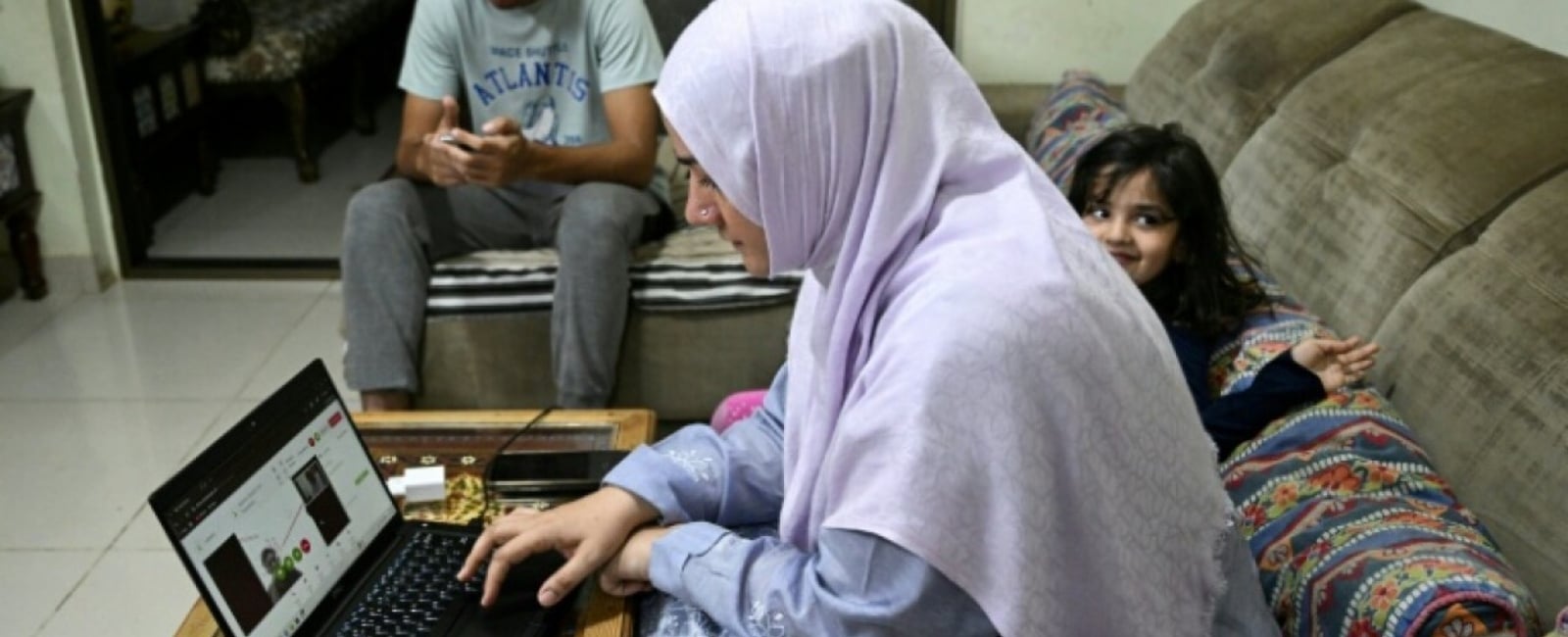
Many talented women doctors in Pakistan step away from their profession after marriage and childbirth. Yet a growing number now return through online platforms that offer flexible schedules. They balance family duties while continuing to serve patients from the comfort of their homes.
Dr Saniya Jafri shared her story openly. She explained, “I did not want to choose long working hours and be away from home for a long time. I wanted to stay with my children.” Thanks to telemedicine, she now consults patients without leaving her house. This option helps thousands of female doctors who face pressure to prioritize household responsibilities over their careers.
Pakistan produces a large number of women medical graduates every year. In fact, women outnumber men in medical college admissions and registrations. However, surveys show that more than a third of them either never practice or quit soon after marriage. Around 70,000 registered women doctors currently remain inactive. Societal expectations, lack of childcare support, long hospital shifts, and risks of harassment often push them out of the workforce.
Sehat Kahani Platform Helps Thousands Restart Careers
Digital health company Sehat Kahani has made a real difference. The initiative has already enabled 7,500 women doctors to return to practice through remote consultations. Patients visit 80 nurse-assisted clinics where they receive guidance from doctors working online. This model proves especially helpful in underserved rural and low-income areas.
Sara Saeed Khurram, co-founder and CEO of Sehat Kahani, knows the challenge well. She recalled becoming what families call a “doctor bahu” after marriage. Many families value the “Dr” title for raising social status through marriage, yet they later resist letting the woman continue working. Zakiya Aurangzeb, President of the Pakistan Islamic Medical Association, highlighted another issue. She noted that even doctors who advise mothers to breastfeed exclusively for six months often lack proper support at their own workplaces.
Patients also benefit greatly. Muhammad Adil brought his son for a consultation and appreciated saving both time and daily wages by visiting a nearby clinic instead of traveling far.
Family Support Remains Key to Long-Term Success
Experts agree that family backing plays a crucial role. Dr Saniya Jafri stressed, “If a woman doctor receives support from her husband, parents, and in-laws, she can excel.” Without such encouragement, many talented professionals give up their dreams permanently.
Pakistan ranks near the bottom globally in gender equality, which adds to these difficulties. Still, the rise of telemedicine offers fresh hope. It addresses doctor shortages in remote communities while empowering women to use their skills. As more families recognize the value of this flexibility, more female doctors may return and strengthen the country’s healthcare system.

