


Human Rights
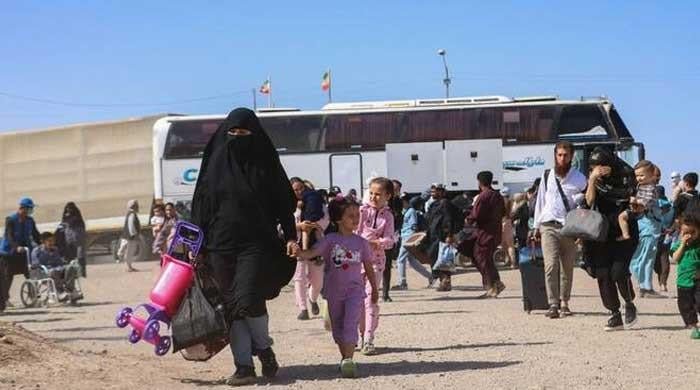
The United Nations has strongly criticized the Taliban administration in Afghanistan for committing serious human rights violations, including torture, arbitrary detention, and threats to personal safety, particularly targeting Afghans who have recently returned from neighboring countries. In a detailed report released on Thursday, the UN documented a pattern of abuse faced by deportees, especially those forcibly returned by Iran and Pakistan.
According to the report, over 1.9 million Afghans have been deported to Afghanistan so far in 2025, with the vast majority coming from Iran. These deportation drives have created a growing humanitarian and rights crisis, as many returnees are highly vulnerable due to their past affiliations or identities. Women and girls, former government officials and security personnel, journalists, and civil society members are among those at highest risk, the UN noted.
The report — compiled by the UN Assistance Mission in Afghanistan (UNAMA) and the UN Human Rights Office — was based on interviews with 49 Afghan returnees. It revealed that many of them faced reprisals upon their return, including torture, inhumane treatment, detention without cause, and intimidation. The abuses, the report emphasized, appear to be deliberate and targeted based on personal history or association with the former, foreign-backed Afghan government that collapsed in 2021.
UN High Commissioner for Human Rights Volker Türk reiterated his earlier warning that “nobody should be sent back to a country where they face risk of persecution.” He underscored that Afghan women and girls face unique dangers under the Taliban, where systematic restrictions amount to persecution based solely on gender — what the UN has described as “gender apartheid.”
Since retaking power, the Taliban have imposed sweeping bans on women’s participation in public life, including education beyond primary school, employment in most sectors, and access to public spaces like parks and gyms. These actions have drawn global condemnation, but the Taliban continue to deny allegations of widespread abuse. The group claims it declared a general amnesty for all those who worked with foreign forces and the previous government.
The refugee crisis is intensifying. The UNHCR estimates that up to three million Afghans could return to the country by the end of 2025. The influx is compounding the existing humanitarian emergency in Afghanistan, where access to basic services, food, healthcare, and housing remains critically low.
In addition to Iran and Pakistan, other countries are also beginning deportations. Tajikistan recently joined the trend, expelling 377 Afghan nationals since early July. Germany deported 81 Afghan men last week, citing criminal convictions, while the United States has announced plans to revoke temporary protection status for thousands of Afghans residing in the country.
The UN has urged an “immediate halt” to all forced returns, warning that the current approach risks exacerbating a “multi-layered human rights crisis.” It continues to call on governments to honor international protection obligations and ensure that no Afghan is deported into harm’s way.
