
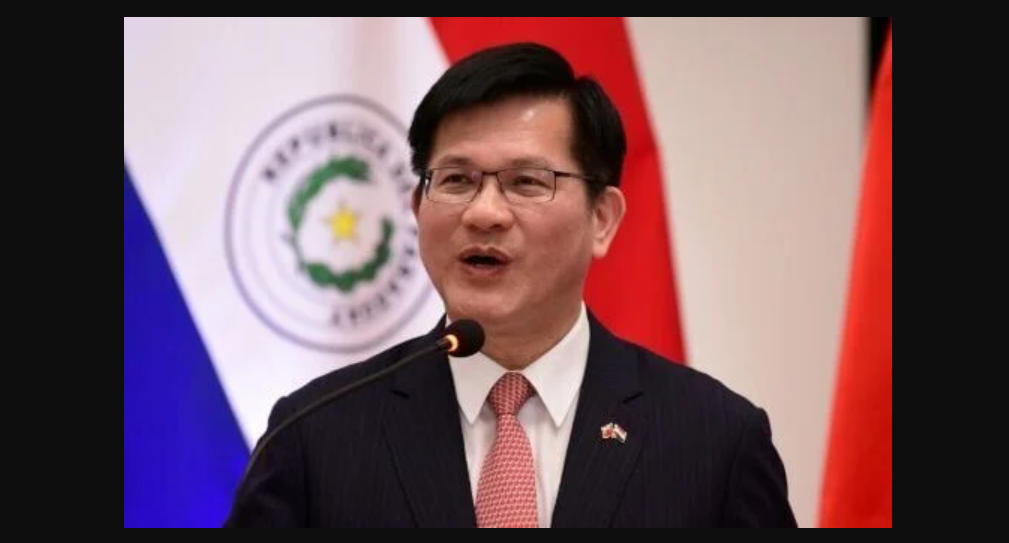

Taiwan has firmly pushed back against growing pressure from China during a high-level diplomatic visit to Eswatini. The island’s foreign minister made it clear that Taiwan will not yield to external coercion.
The statement came after several African nations unexpectedly revoked overflight permissions for Taiwan’s leadership. As a result, a planned official trip faced disruption. However, Taiwan chose to respond with strong diplomatic messaging instead of silence.
Flight Permit Controversy Sparks Tensions
The situation escalated when Seychelles, Mauritius, and Madagascar withdrew previously granted overflight approvals. This decision forced Taiwan’s president to postpone an important diplomatic visit.
Officials described the move as sudden and without prior notice. Consequently, it raised concerns about increasing geopolitical pressure in international aviation matters.
China claims Taiwan as part of its territory. Therefore, it often opposes Taiwan’s participation in global engagements. This latest development reflects that ongoing dispute.
Strong Response from Taiwan
Taiwan’s foreign minister addressed the issue directly during the visit. He stated, “No matter how China uses political power to interfere with normal international civil aviation operations, politicising and weaponising flight information … it will not make Taiwan bow its head, nor will it stop our progress.”
He further added, “No unreasonable blockade or pressure can shake our resolve and will to safeguard our dignity and connect with the international community.”
These remarks underline Taiwan’s determination to maintain its international presence. At the same time, they signal resistance against diplomatic isolation.
Eswatini Visit Highlights Strategic Ties
Despite travel disruptions, Taiwan maintained its engagement with Eswatini. The foreign minister attended celebrations marking the 40th anniversary of King Mswati III’s accession.
Importantly, Eswatini remains Taiwan’s only diplomatic ally in Africa. Therefore, the visit carried symbolic and strategic importance.
The event also reinforced Taiwan’s commitment to its remaining allies. Moreover, it highlighted efforts to sustain international partnerships despite mounting pressure.
United States and China Exchange Statements
The United States criticized China’s actions, calling them an “intimidation campaign against Taiwan and Taiwan’s supporters around the world.”
However, China rejected these claims. It described the accusations as a “baseless accusation” and defended its position as legitimate.
This exchange reflects broader global tensions surrounding Taiwan. Additionally, it shows how major powers remain divided on the issue.
Ongoing Diplomatic Challenges
Taiwan continues to face challenges in expanding its global engagement. Although it operates as a self-governed entity, its diplomatic space remains limited.
Meanwhile, China’s efforts to restrict Taiwan’s international participation persist. These actions often affect travel, trade, and diplomatic outreach.
Still, Taiwan’s leadership appears committed to resisting such pressure. The latest statements suggest a clear strategy of defiance and resilience.

