

CJP Approves End of Special Work Restrictions
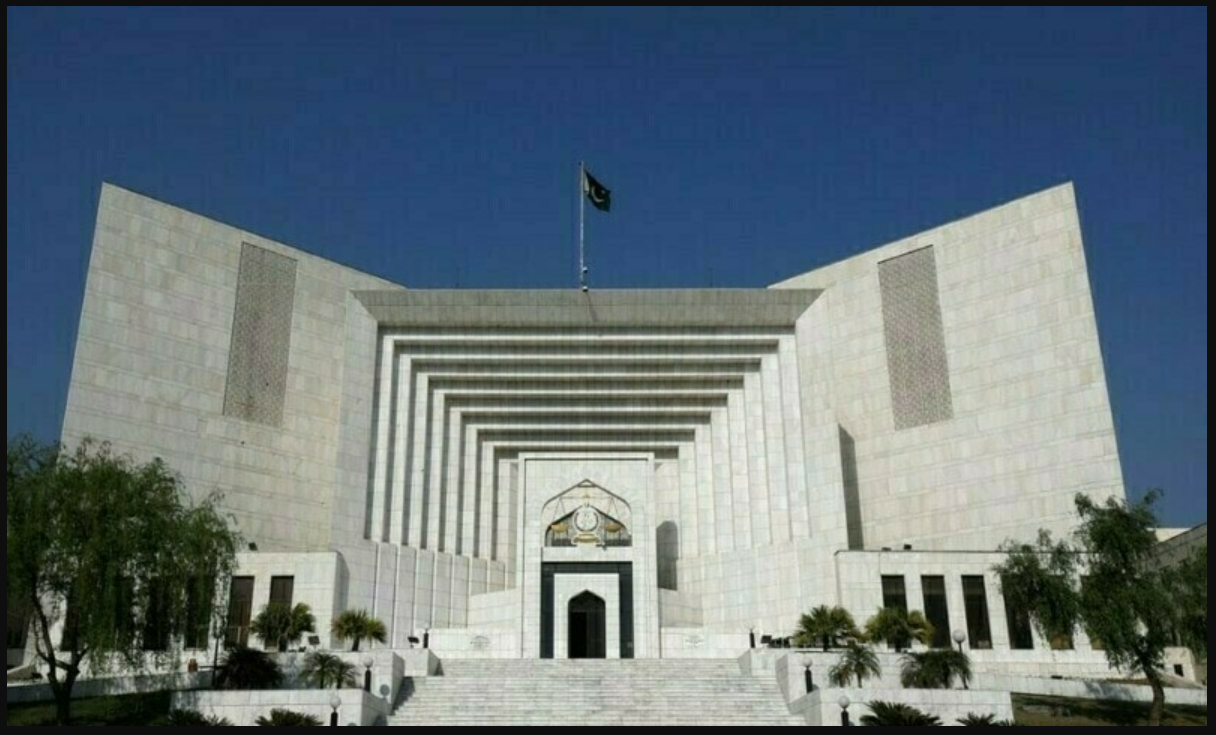
Chief Justice of Pakistan Justice Yahya Afridi has ordered the withdrawal of austerity measures previously implemented in the Supreme Court.
According to an official notification, the austerity policy will formally end from June 15, 2026. The directive issued on March 10, 2026, has now been withdrawn with the approval of the Chief Justice.
The measures were introduced as part of a wider conservation and cost-control drive. They included a four-day workweek from Monday to Thursday, reduced petroleum fuel allocations for official vehicles and limited protocol arrangements for judges.
During the austerity period, the Supreme Court also prioritised video-link hearings to maintain access to justice. Friday court work was restricted mainly to urgent matters.
With the latest order, the court’s administrative and operational affairs will return to normal procedures from June 15.
The decision means regular court functions, office arrangements and related institutional operations will resume under the previous system.
Court Operations Return to Routine From June 15
The withdrawal of austerity measures marks a shift back to routine working arrangements at the country’s top court.
The earlier policy was designed to reduce fuel use and operational expenses at a time when public institutions were being asked to control spending.
Officials said the Supreme Court will now restore its normal administrative framework. This includes standard working days, regular official procedures and routine management of court operations.
The return to normal operations is expected to help lawyers, litigants and court staff follow a more familiar schedule.
It may also improve case coordination where physical hearings, administrative processing and internal court work were affected by the temporary restrictions.
The Supreme Court’s decision comes as several state institutions continue to review cost-control policies introduced earlier this year.
Senate Highlights Major Savings Under Austerity Drive
Separately, the Senate of Pakistan has returned Rs1.436 billion to the national exchequer after implementing a major austerity and expenditure rationalisation drive.
According to an official statement, the savings exceeded the Finance Division’s target by 500 percent. The amount represented 15.9 percent of the Senate’s total budget for fiscal year 2025-26.
The austerity reforms were initiated from the office of Chairman Senate Syed Yousaf Raza Gilani. They were later extended across the Senate Secretariat.
A broad framework of expenditure controls and efficiency reforms was introduced to improve financial discipline.
One major step was the suspension of 17 out of 18 procurement projects earlier approved by the Senate Finance Committee. This resulted in immediate savings.
Recruitment and other non-essential expenditures were also rationalised. Administrative overheads were reduced, while operational expenses were placed under strict review.
The Supreme Court’s withdrawal of its austerity measures and the Senate’s reported savings show two different phases of institutional financial management.
While one institution is returning to routine operations, another has highlighted significant savings through spending controls.

