

New Entry Policy Announced for Accredited Journalists
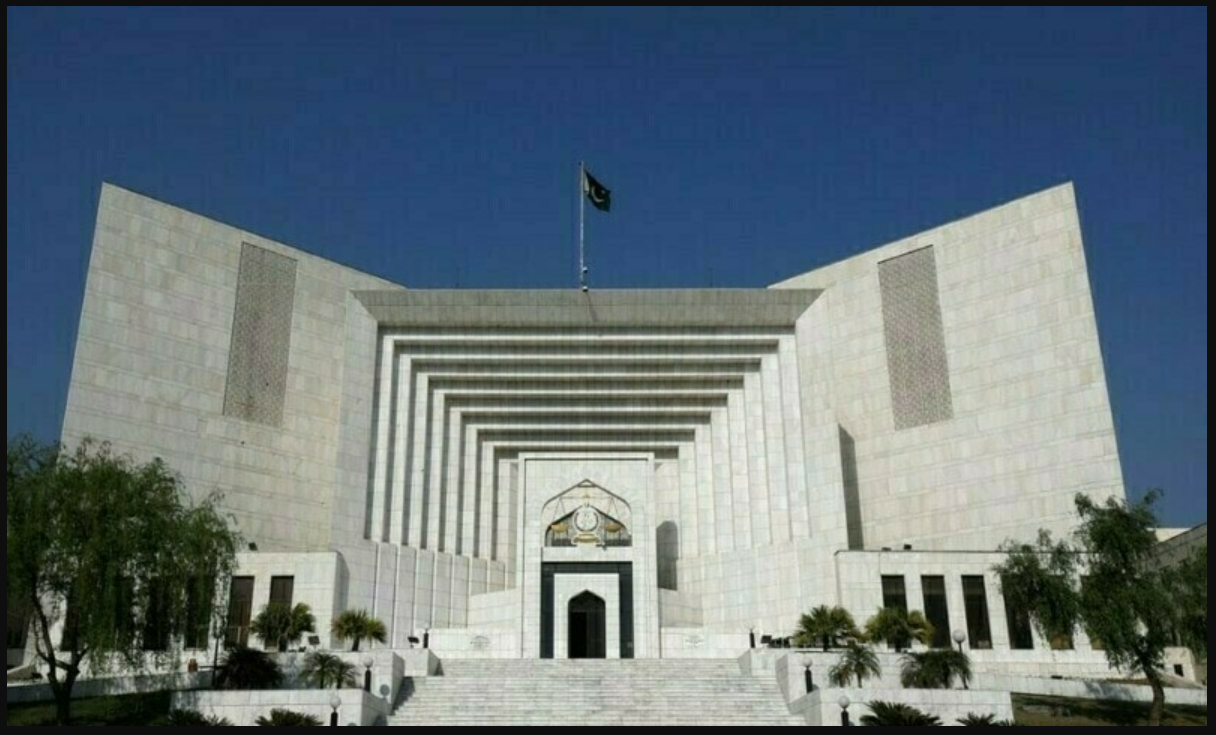
The Supreme Court has decided to allow journalists holding valid Press Information Department or Press Club cards to enter the court complex during designated hours.
According to an official statement, accredited journalists will be allowed to enter the Supreme Court premises from 9:00 a.m. to 2:00 p.m.
The decision marks an important change in the court’s media access policy.
Previously, entry was mainly restricted to designated beat reporters who regularly covered judicial affairs.
The revised arrangement will now allow a wider group of journalists to access the court premises while performing their professional duties.
The move is expected to help media organisations cover court-related developments more effectively.
Court Says Access Will Follow Security Rules
The Supreme Court said the new policy aims to facilitate broader media coverage of court proceedings.
However, entry will remain subject to applicable security protocols and official regulations.
Journalists will be required to carry valid identification issued by the Press Information Department or recognised Press Clubs.
The policy does not remove security screening. It only expands eligibility for entry during the specified time window.
Court authorities are expected to ensure that media access remains organised and controlled.
The decision may help reduce confusion for journalists who are not part of the regular judicial beat but need to cover important hearings, major cases or institutional developments.
Decision Seen as Major Shift in Media Access
The revised policy is being viewed as a significant step for press access at the Supreme Court.
Media access to courts is an important part of public reporting on legal and constitutional matters.
Journalists covering the judiciary often rely on physical access to court premises for accurate updates, official communication and timely reporting.
By allowing entry to journalists with valid PID and Press Club cards, the court has created a broader access framework.
The decision may also support newsrooms that assign reporters to major court events on a temporary basis.
Under the new arrangement, journalists will be able to enter the premises only during the notified hours.
This means media access will be more open than before, but still regulated through timing and security requirements.
The policy could improve transparency around court proceedings and help ensure wider public awareness of important legal matters.
It also reflects a practical approach to balancing media freedom with institutional security.
The Supreme Court’s revised entry rules are expected to benefit journalists, media houses and the wider public by improving access to court coverage.

