
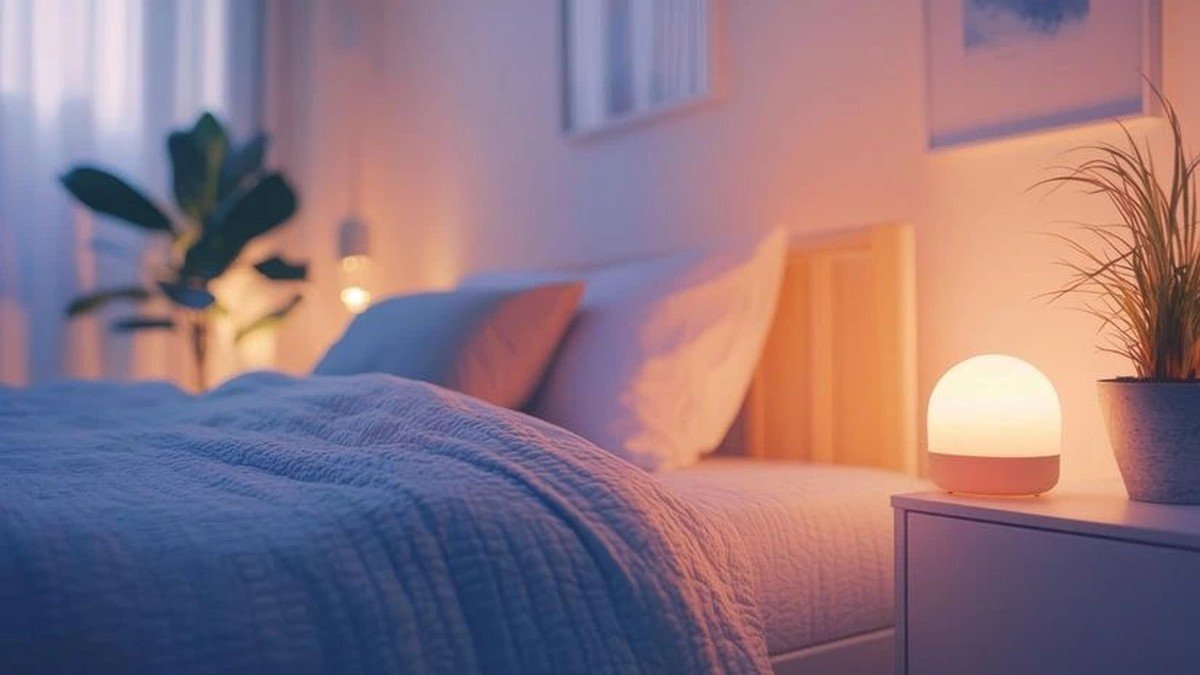

Exposure to artificial light while sleeping may be linked to early changes in the heart’s structure and function, according to new research involving more than 11,000 people.
The study suggests that even relatively low levels of nighttime light could affect how effectively the heart muscle works.
The findings were published in the European Heart Journal on September 9, 2026.
Researchers examined people who had no diagnosed cardiovascular disease at the beginning of the study.
They found that participants exposed to higher levels of light during sleep showed measurable changes in their heart muscle several years later.
The findings add to growing concerns that nighttime light pollution may have wider health effects beyond disrupted sleep.
Even Low Bedroom Light May Affect Heart Function
Researchers focused on nighttime light exposure measured in lux, a standard unit used to calculate illumination.
Experts generally recommend keeping bedroom light exposure extremely low during sleep. Around 1 lux or less is considered preferable for maintaining a dark sleeping environment.
For comparison, approximately 3 lux can represent dim moonlight or light entering beneath a closed bedroom door.
The study found that people exposed to more than 3 lux of light during sleep showed changes in the walls of the heart’s left ventricle.
The left ventricle is the heart’s main pumping chamber. It plays a crucial role in circulating oxygen-rich blood throughout the body.
Researchers observed that some areas of the ventricular wall became thicker among people exposed to greater amounts of nighttime light.
This thickening was associated with reduced space inside the chamber.
The researchers also found changes in how effectively the heart muscle relaxed and moved during each heartbeat.
These changes may represent early signs of impaired heart function.
Importantly, the findings showed a pattern in which greater nighttime illumination was associated with more pronounced changes.
However, the study identifies an association and does not prove that nighttime light directly causes heart disease.
Smartphones and Outdoor Lights Could Increase Exposure
Nighttime light exposure can come from several common household and environmental sources.
These may include smartphone screens, digital alarm clocks, televisions, bedside lamps and light coming through windows.
Streetlights and other forms of outdoor light pollution can also increase bedroom illumination.
Study participants wore wrist-based sensors for one week to measure their exposure to light during nighttime hours.
Researchers then followed the participants over time.
Approximately three years later, participants underwent cardiovascular magnetic resonance imaging.
The scans allowed researchers to examine the structure and function of their hearts in greater detail.
The results were then compared according to each participant’s recorded nighttime light exposure.
People who slept in environments measuring above 3 lux showed greater structural changes compared with participants who experienced little or no nighttime light.
Researchers also identified reduced flexibility in the myocardium.
The myocardium is the muscular tissue responsible for contracting the heart and pumping blood.
Reduced flexibility in this tissue can be considered an early indication that the heart is not functioning as efficiently as expected.
Researchers Call Nighttime Light a Growing Cardiovascular Concern
Study lead author Dr Lu Qi, director of the Tulane University Obesity Research Centre in New Orleans, said light pollution is increasingly being examined as a potential cardiovascular risk factor.
Qi said the new findings, combined with evidence from earlier research, suggest that reducing nighttime light exposure could become part of broader heart disease prevention strategies.
Researchers believe artificial light at night may interfere with the body’s natural circadian rhythm.
The circadian rhythm helps regulate sleep, hormones, metabolism and several cardiovascular processes.
Disruption of these natural biological cycles has previously been associated with a range of health concerns.
The latest research suggests the heart itself may also be affected by repeated exposure to light during normal sleeping hours.
The study used data from participants in the UK Biobank, one of the United Kingdom’s largest biomedical research databases.
The UK Biobank contains genetic, lifestyle and health information collected from around 500,000 participants.
Researchers specifically analysed more than 11,000 individuals without known cardiovascular disease for the nighttime light study.
While further research is needed to understand the long-term effects, the findings suggest that maintaining a darker bedroom could be a simple consideration for people seeking better sleep and cardiovascular health.
The researchers also highlighted the wider issue of urban light pollution, which can make complete darkness difficult for people living in heavily illuminated areas.
The study does not suggest that occasional exposure to a small amount of light will immediately damage the heart.
Instead, it raises questions about whether regular nighttime exposure over longer periods could contribute to cardiovascular changes.
Further studies will be needed to determine whether reducing bedroom light can directly prevent these changes or lower the risk of future heart disease.

