

Hyderabad Division Records Highest Number of Cases While Karachi Also Sees Rising Infections
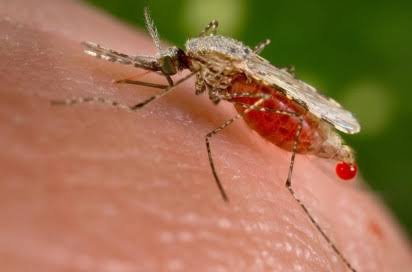
Sindh is badly affected by Malaria and now situation is alarming, as health authorities have reported 90,853 cases of the mosquito-borne disease across the province in 2026. This number is really concerning for health experts and officials.
The increasing number of infections has triggered warnings that urgent preventive measures are needed to control the spread, particularly in districts where cases have increased rapidly.
Health experts say factors such as stagnant water, mosquito breeding sites, seasonal changes and inadequate preventive measures are contributing to the rising number of malaria infections.
Hyderabad Division Becomes Worst-Hit Region
According to health department data, the Hyderabad division recorded the highest number of malaria cases in Sindh, with 35,094 infections reported.
The scale of the outbreak in the division has become a major concern for authorities, with health officials urging stronger mosquito-control campaigns and improved public awareness.
The Larkana division reported 27,057 cases, making it the second most affected region in the province.
Other divisions also reported significant numbers:
- Shaheed Benazirabad: 10,200 cases
- Sukkur: 9,949 cases
- Mirpur Khas: 7,781 cases
Health officials warned that without immediate action, malaria transmission could continue to increase in affected areas.
Karachi Records Hundreds of Cases
Although Karachi remains less affected compared with other parts of Sindh, the provincial capital has also reported a notable rise in malaria cases.
The city recorded 772 malaria infections, with cases reported across several districts.
The highest number of cases in Karachi was recorded in Malir district, where 249 infections were reported.
Other districts also contributed to the rising numbers:
- Karachi South: 164 cases
- Karachi West: 140 cases
- Korangi, Central, East and Keamari districts also reported malaria cases
Health authorities have advised residents to take preventive measures, including avoiding mosquito breeding areas and using protective measures such as mosquito nets and repellents.
Health Experts Call for Immediate Response
Medical experts have expressed concern over the growing malaria burden and stressed the need for immediate action to prevent further spread.
They have called for:
- Regular mosquito-control operations
- Elimination of stagnant water sources
- Public awareness campaigns
- Early diagnosis and treatment facilities
Experts say timely detection is crucial because untreated malaria can lead to serious health complications, particularly among children, elderly people and individuals with weaker immune systems.
Authorities Face Pressure to Control Spread
The rising number of malaria cases has increased pressure on Sindh’s health authorities to strengthen disease-control measures.
Officials are monitoring affected districts and working to improve surveillance and treatment facilities.
With more than 90,000 cases reported in a single year, health experts say coordinated efforts between government departments, local administrations and communities will be essential to contain the outbreak.

