
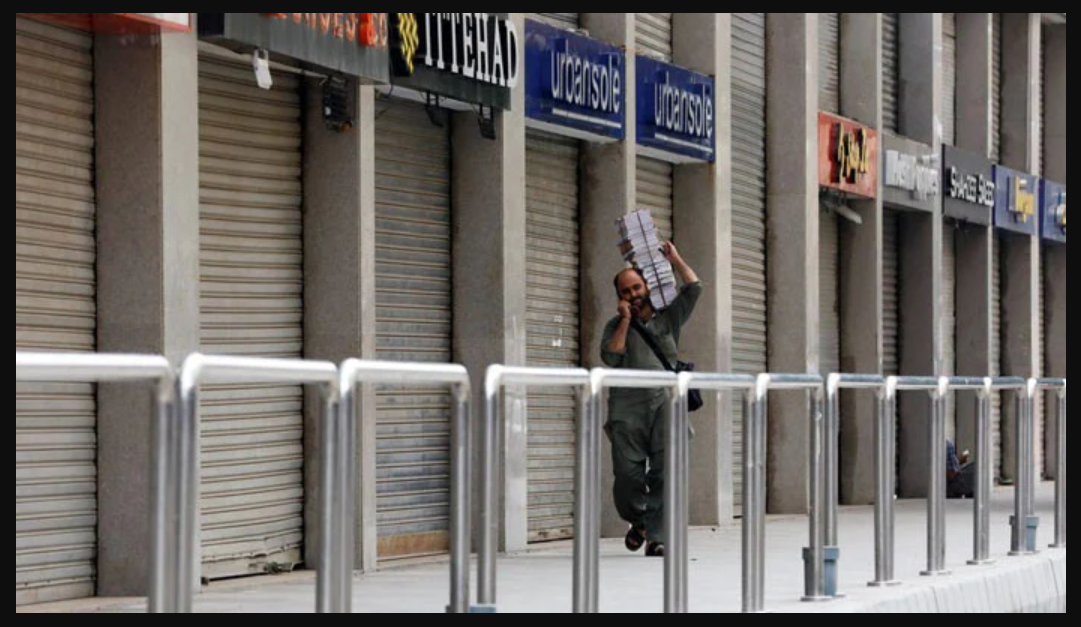

Sindh authorities are evaluating a smart lockdown to manage fuel consumption and ensure essential services continue uninterrupted. Officials say the unprecedented step responds to supply pressures caused by ongoing Middle East tensions.
Local Government Minister Nasir Hussain Shah highlighted that the situation is extraordinary and requires urgent, practical measures. “The present circumstances are not normal. If the war drags on, everyone will face difficulties,” he said, emphasizing proactive action.
Smart Lockdown: A Targeted Approach
The proposed smart lockdown focuses on specific neighbourhoods and streets instead of a full city-wide shutdown. This approach allows authorities to limit gatherings, control movement, and reduce fuel use efficiently.
Under the system, only four people can gather in public areas, and one household member may leave home after informing law enforcement. Public events, celebrations, and non-essential gatherings are prohibited, while targeted zones may be sealed to prevent unnecessary travel.
Smart lockdowns were first introduced in Pakistan during the Covid-19 pandemic and proved effective in controlling movement without paralyzing entire cities. Sindh officials now plan to adapt this model to conserve fuel rather than respond to a health emergency.
Fuel Conservation Measures Already in Place
Sindh has already taken significant steps to reduce fuel consumption. Minister Shah stated that 60% of petrol allocation for government vehicles has been cut. Daily meetings assess the evolving situation, reflecting a proactive governance approach.
Additional austerity measures include:
- Government offices observing work-from-home on Fridays
- 50% cut in fuel consumption for official vehicles over two months
- 60% of government vehicles to remain grounded
- Provincial ministers to forgo salaries and allowances for three months
- Economy-class travel only for official trips
- Ban on purchasing new vehicles or furniture by departments
- Chief Minister’s aircraft grounded temporarily
- Government-hosted events restricted to official buildings
Schools remain closed until March 31, though exams continue as scheduled. Authorities believe these measures will help curb fuel demand and prevent wider shortages if the Middle East crisis prolongs.
A Proactive Response to Global Supply Challenges
The Sindh government stresses that fuel rationing and smart lockdowns are preventive measures. They aim to avoid widespread disruption while maintaining public services.
Minister Shah emphasized that these steps are temporary and tailored to the province’s needs. By limiting movement in critical zones and enforcing energy-saving strategies, Sindh hopes to manage resources responsibly.
Officials note that such measures require public cooperation. Citizens are encouraged to comply with restrictions, reduce non-essential travel, and support government efforts to conserve fuel.
Looking Ahead
The proposed smart lockdown and austerity measures indicate the provincial government’s commitment to practical solutions amid international instability. Authorities continue monitoring developments closely, ready to adjust strategies as conditions evolve.
Sindh’s approach highlights the balance between maintaining daily life and conserving vital energy resources. The government aims to minimize inconvenience while ensuring long-term sustainability during uncertain times.

