
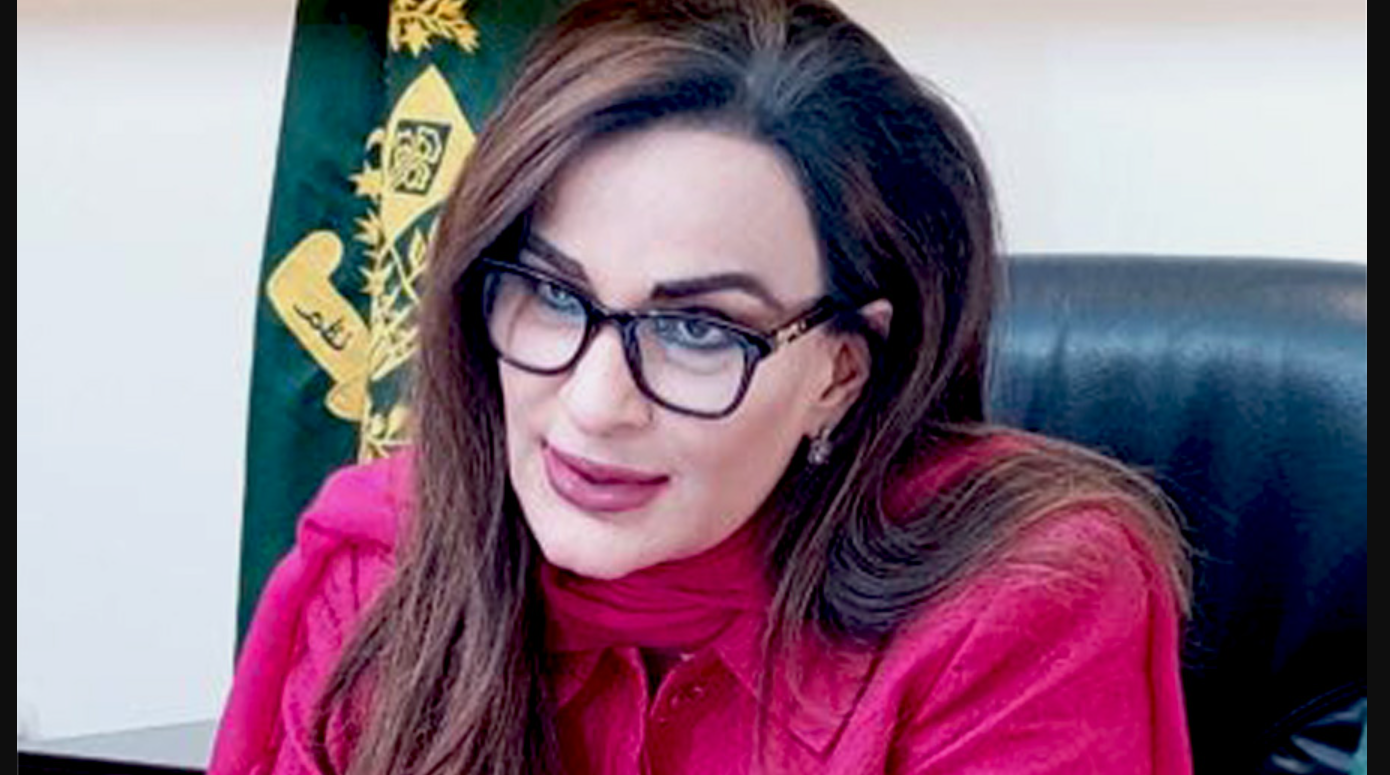

Pakistan Peoples Party (PPP) Vice President Senator Sherry Rehman has criticised calls in India to ban Pakistani dramas on Netflix. She described the demands as unusual and suggested they reflected insecurity rather than cultural confidence.
Her remarks come amid growing controversy surrounding the Pakistani drama Dar-e-Nijaat and other Pakistani productions. The debate intensified after reports emerged that India’s Ministry of Information and Broadcasting had approached Netflix.
According to the reports, New Delhi asked the streaming platform to follow an advisory issued on May 8, 2025. The advisory directed media streaming services to remove Pakistani-origin content, including web series, films, songs and podcasts, citing national security concerns.
Reacting to the controversy on X, Rehman said cultural differences between Pakistan and India were nothing new. However, she questioned the reaction of Indian Hindu nationalist groups to the popularity of Pakistani television productions.
‘Pakistan Probably Watching Dar-e-Nijaat Less Obsessively’
Rehman highlighted what she described as an unusual situation involving Indian audiences and Pakistani entertainment.
“It almost feels like a huge market of consumers is seeking protection from Pakistani digital content,” she observed, noting that on the other hand, Pakistani audiences “have sadly stopped watching most mainstream Indian films on streaming platforms because the blockbusters now often focus on demonising Pakistan as a cardboard cutout country full of Indian-haters bent on subverting its neighbour.”
She argued that this portrayal of Pakistan overlooks the country’s actual cultural and social diversity. Moreover, she said Pakistani dramas challenge such stereotypes through their storytelling.
“The Pakistani play industry is just doing its thing: churning out good, bad and mediocre content without thinking about a cultural colonisation of India. In fact, Pakistan is probably watching Dar-e-Nijaat less obsessively than Indian audiences,” she suggested.
Rehman maintained that Pakistani viewers consume entertainment as entertainment rather than as an attempt to influence another country’s culture.
“We are consuming what is entertainment, or art or culture, as just that. Pakistan is just busy being well, Pakistan. Not using its serials as an exercise in soft power flexing, it is simply doing what it does best: make memes, plays and reels about its own lives,” she added.
Senator Questions Debate Over Pakistani Entertainment
The senator also questioned why a few Pakistani television productions had triggered such intense discussions about national identity and cultural influence in India.
She described the debates surrounding “a few above-average Pakistani plays” as ‘unreal’.
Furthermore, Rehman clarified that Pakistan’s first Netflix Original production was commissioned by Netflix MENA, rather than Netflix India. She stressed that external organisations should not determine Pakistan’s identity, regional position or history.
Her remarks highlighted the distinction between international streaming platforms and the cultural identity of the countries producing their content.
Sherry Rehman Rejects Stereotypes About Pakistan
Rehman also challenged portrayals that present Pakistan primarily through hostility towards India.
“No, we are not even making plays about missing Rafales. Several global entities and capitals now acknowledge that Pakistan is a peacemaker and solution-seeker to conflict, including the Financial Action Task Force the United Nations, others. Look around. Pretty much everyone,” she asserted.
She argued that hostility and chauvinism do not demonstrate national strength. Instead, she described such attitudes as signs of insecurity.
According to Rehman, confident nations demonstrate their strength through their actions rather than hostility towards neighbouring countries.
‘Pakistan Doesn’t Even Study India Like They Do Us’
Rehman also questioned the intensity of India’s focus on Pakistan, suggesting that the attention was not equally reflected across both countries.
She wondered whether the situation would eventually change, adding that “Pakistan doesn’t even study India like they do us … We act decisively when attacked, but generally Pakistan does a bad job at pathologically hating others.”
Concluding her remarks, the senator called for a more mature approach towards cultural differences and cross-border entertainment.
“Meanwhile, it would be great if some folks in the new India also grew up,” she concluded.
The controversy surrounding Dar-e-Nijaat has therefore moved beyond television entertainment, becoming part of a wider debate about cultural exchange, national identity and the availability of Pakistani content on international streaming platforms.
For the latest updates, visit and follow The Truth International website (www.thetruthinternational.com) and subscribe to the YouTube Channel.

